TRENDING

Wednesday, 7 October 2026
----------------------
26 Rabi' Al-Thani 1448 AH
Zambia's historic debt swap has sparked hopes for economic growth, but experts warn that it may not be enough to significantly reduce the country's debt-servicing burden.
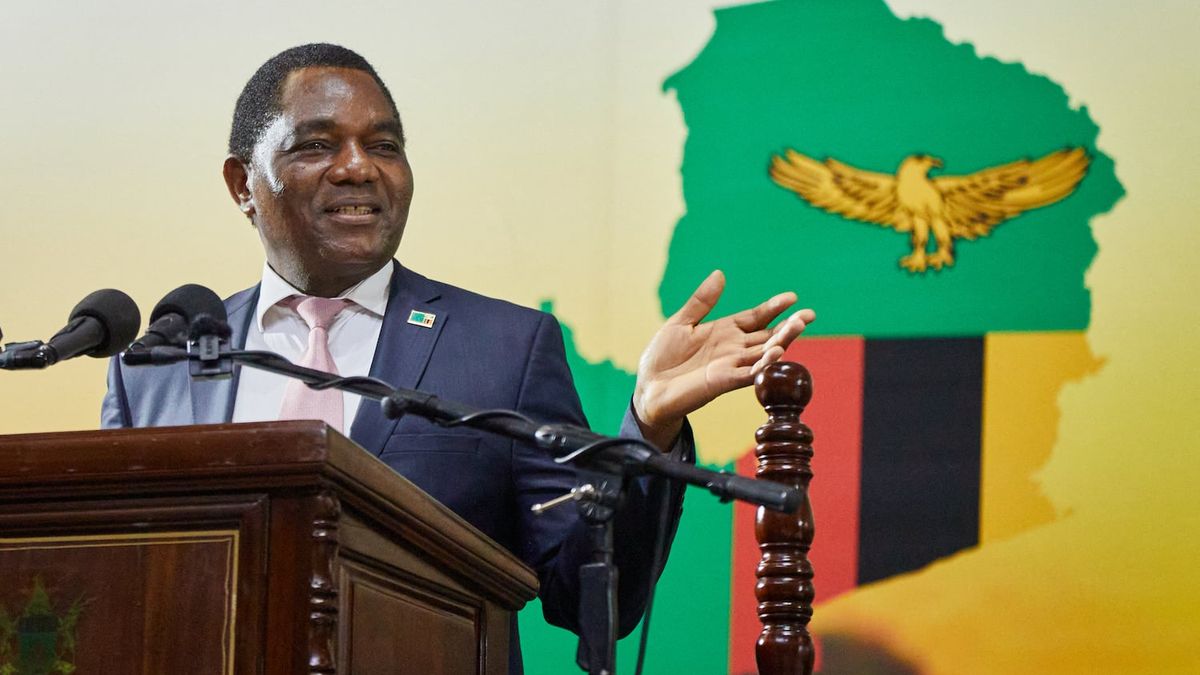
Zambia's recent debt swap has generated significant attention in the global economic community. The country has agreed to invest its interest savings in its electric grid, a move that could potentially drive economic growth. However, experts warn that this may not be enough to significantly reduce Zambia's debt-servicing burden.
Zambia's economy has been struggling due to a combination of factors, including a decline in copper prices and a significant increase in debt. The country's debt has grown exponentially over the years, with China being its single biggest creditor. In 2021, Zambia became the second country to enter the G-20's Common Framework, which aims to help developing nations unify debt negotiations among traditional Western creditors, non-Paris Club creditors, and private lenders.
The debt swap is a significant development in Zambia's economic landscape. The country has agreed to buy back $1.36 billion of its outstanding 2053 private bonds using a $600 million concessional loan from the African Development Bank. The remaining cost will be covered by the Zambian government. In exchange for clearing the debt, the government has agreed to spend its $275 million in interest savings on power networks over 15 years.
The debt swap has significant implications for Zambia's economy. Grid electricity is a critical factor in driving GDP growth, and Zambia's lack of access to reliable electricity has hindered its economic development. The debt swap could potentially address this issue by providing the necessary funding for the country's power networks.
However, experts warn that the debt swap may not be enough to significantly reduce Zambia's debt-servicing burden. The country's debt has grown exponentially over the years, and the debt swap may only provide a temporary solution. Moreover, the swap may not address the underlying issues that have contributed to Zambia's debt crisis.
The debt swap has significant regional implications. It could potentially set a precedent for other African countries to follow, and it may also have implications for the global economic community. The debt swap could potentially provide a model for other countries to address their debt crises, and it may also have implications for the global economic order.
The future consequences of the debt swap are uncertain. If the debt swap is successful, it could potentially drive economic growth in Zambia and set a precedent for other African countries. However, if the debt swap fails, it could potentially exacerbate Zambia's debt crisis and have significant regional implications.
Zambia's debt swap is a significant development in the country's economic landscape. While it may provide a temporary solution to Zambia's debt crisis, it may not be enough to significantly reduce the country's debt-servicing burden. The debt swap has significant regional implications, and its future consequences are uncertain. Only time will tell if the debt swap will be a catalyst for economic growth or a band-aid solution.
Editor's Note: The debt swap's success is uncertain due to Zambia's significant debt burden and the potential for underlying issues to persist.
Source referenced: FOREIGNPOLICY
This brief was synthesized by our Editorial Engine and reviewed by The Ground Narrative team.


