TRENDING

Wednesday, 7 October 2026
----------------------
26 Rabi' Al-Thani 1448 AH
Indonesia's ambitious free meals programme, launched in 2025, has been marred by allegations of corruption and mismanagement, raising concerns about its effectiveness and sustainability.
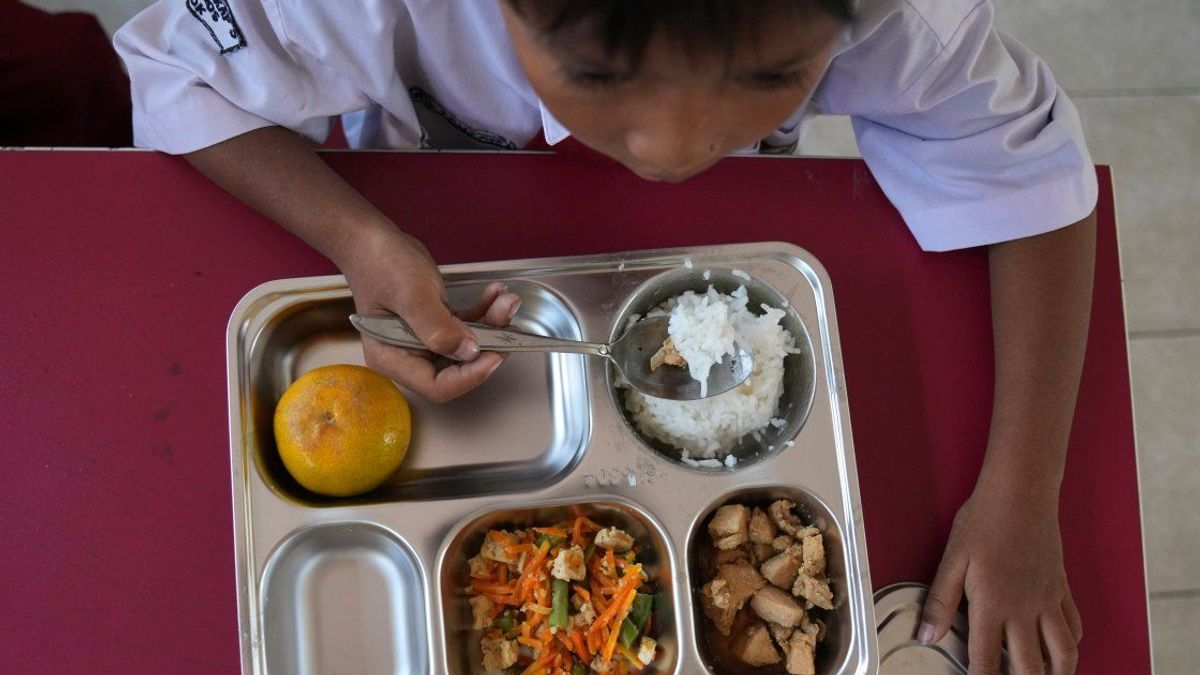
Indonesia's free meals programme, launched in 2025, has been touted as a flagship initiative to address the chronic issue of stunting among children, improve their focus in school, and stimulate the local economy. However, the programme has been plagued by allegations of corruption and mismanagement, raising concerns about its effectiveness and sustainability.
The programme's strategic motivations are multifaceted. On one hand, it aims to address the chronic issue of stunting among children, which remains stubbornly high in many of Indonesia's eastern provinces and outer islands. On the other hand, it seeks to stimulate the local economy by creating jobs and generating revenue through the establishment of kitchens and the procurement of food supplies.
Indonesia has made significant progress in reducing the prevalence of stunting over the past decade, from around 40% to around 20% of children nationwide. However, the issue remains a pressing concern, particularly in the country's eastern provinces and outer islands. The programme's launch in 2025 was seen as a bold initiative to address this issue, but its implementation has been marred by allegations of corruption and mismanagement.
The programme's regional implications are far-reaching. The establishment of kitchens and the procurement of food supplies have created a complex web of relationships between government officials, kitchen operators, and suppliers. This has raised concerns about corruption and mismanagement, particularly in the eastern provinces and outer islands where the programme's impact is most needed.
The future consequences of the programme's mismanagement are uncertain. If left unchecked, corruption and mismanagement could undermine the programme's effectiveness and sustainability, ultimately harming the very children it aims to help. The government's decision to cut the programme's budget and downsize its operations is a step in the right direction, but more needs to be done to address the underlying issues.
Civil society groups have played a crucial role in monitoring the programme's implementation and highlighting its shortcomings. Their efforts have raised awareness about the programme's mismanagement and corruption, putting pressure on the government to take action.
The way forward is uncertain, but one thing is clear: the programme's mismanagement and corruption must be addressed. The government must take concrete steps to ensure the programme's effectiveness and sustainability, including increasing transparency and accountability, streamlining its operations, and addressing the underlying issues that have led to its mismanagement.
Indonesia's free meals programme is a complex issue with far-reaching implications. While its strategic motivations are laudable, its implementation has been marred by allegations of corruption and mismanagement. The government must take concrete steps to address these issues and ensure the programme's effectiveness and sustainability. The future consequences of inaction are uncertain, but one thing is clear: the programme's mismanagement and corruption must be addressed.
Editor's Note: While the programme's mismanagement and corruption are well-documented, the full extent of the issue remains uncertain. Further investigation and analysis are needed to fully understand the programme's shortcomings and the government's response to them.
Source referenced: ALJAZEERA
This brief was synthesized by our Editorial Engine and reviewed by The Ground Narrative team.