TRENDING

Wednesday, 7 October 2026
----------------------
26 Rabi' Al-Thani 1448 AH
Iran's use of the Strait of Hormuz as leverage in negotiations with the US has escalated tensions, with the US revoking a temporary sanctions waiver on Iranian oil exports. This move has led to a series of retaliatory strikes, raising concerns about the stability of the region.
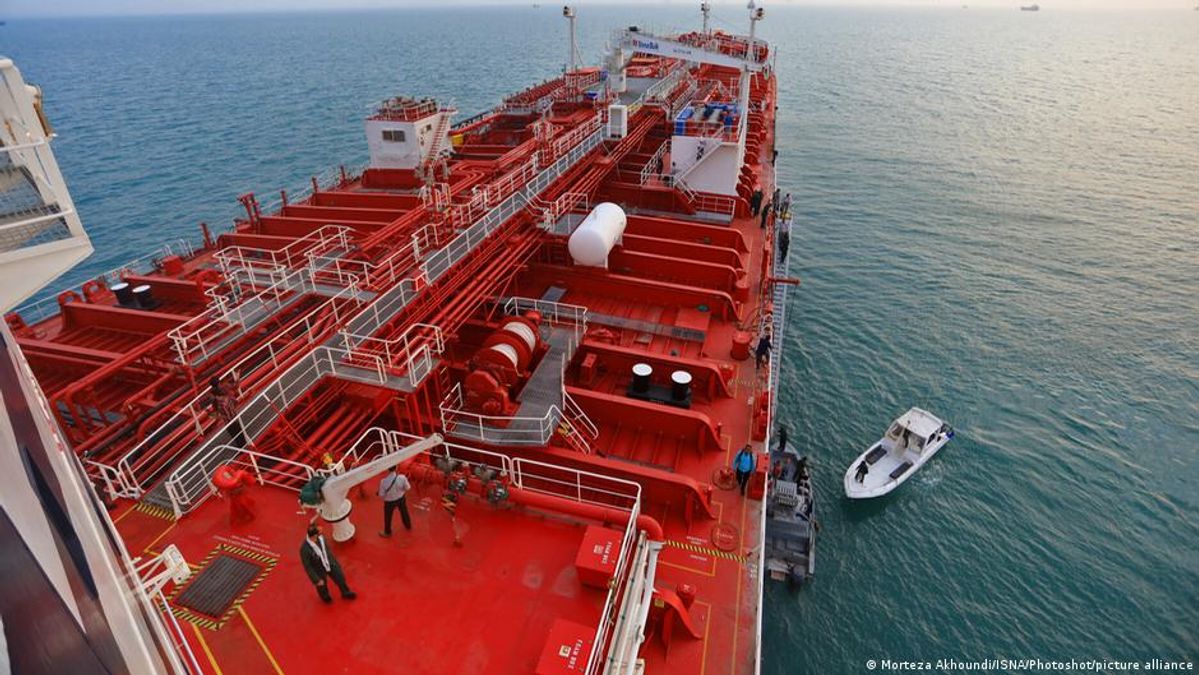
The recent escalation of tensions between the US and Iran in the Strait of Hormuz has significant implications for regional stability and global energy markets. The Strait of Hormuz, a narrow waterway connecting the Persian Gulf to the Gulf of Oman, is a critical chokepoint for global oil and gas exports. Iran's leverage over the Strait has been a major headache for the US, particularly under the Trump administration.
The Strait of Hormuz is a vital waterway, carrying approximately 20% of the world's oil and gas exports. Iran's control over the northern shore, strategic islands, and coastline allows it to monitor and threaten passing vessels. This leverage has been used by Iran to pressure the US and its allies in the region.
Iran's military has been decimated by repeated US-Israeli strikes, making conventional conflict with the US unlikely. Instead, Iran has employed asymmetric warfare tactics, including fast-attack boats, coastal missiles, mines, and drones, to disrupt global energy supplies without engaging in a full naval battle. This strategy has allowed Iran to maintain its control over the Strait while avoiding direct confrontation with the US.
The US revocation of the temporary sanctions waiver on Iranian oil exports has further escalated tensions. The waiver, agreed upon in a memorandum of understanding (MOU) between the US and Iran, allowed Tehran to restart oil exports after its tankers were halted by a US Navy blockade. The revocation of the waiver has cut a vital source of income for Iran, which had been exporting oil to China at below-market prices.
The escalation of tensions in the Strait of Hormuz has significant implications for regional stability. The US has responded with its own naval blockade, preventing Iranian ships from exporting oil. This move has been met with defiance from Iran, which has vowed to continue its attacks on Gulf nations. The situation has raised concerns about the stability of the region, with some experts warning that further US strikes may push both sides further away from a negotiated outcome.
The use of the Strait of Hormuz as leverage in negotiations between the US and Iran has significant implications for regional stability and global energy markets. Iran's asymmetric warfare strategy has allowed it to maintain its control over the Strait while avoiding direct confrontation with the US. The revocation of the sanctions waiver has further escalated tensions, raising concerns about the stability of the region. As the situation continues to unfold, it is essential to consider the long-term implications of this escalation and the potential consequences for regional stability and global energy markets.
Editor's Note: While Iran's asymmetric warfare strategy has been effective in disrupting global energy supplies, the long-term implications of this escalation are uncertain.
Source referenced: DW
This brief was synthesized by our Editorial Engine and reviewed by The Ground Narrative team.