TRENDING

Sunday, 1 November 2026
----------------------
21 Jumada Al-Awwal 1448 AH
Yamaha announced it will not race in Qatar, citing the volatile situation in the Middle East. The move ripples through riders, sponsors, and Qatar’s sporting ambitions.
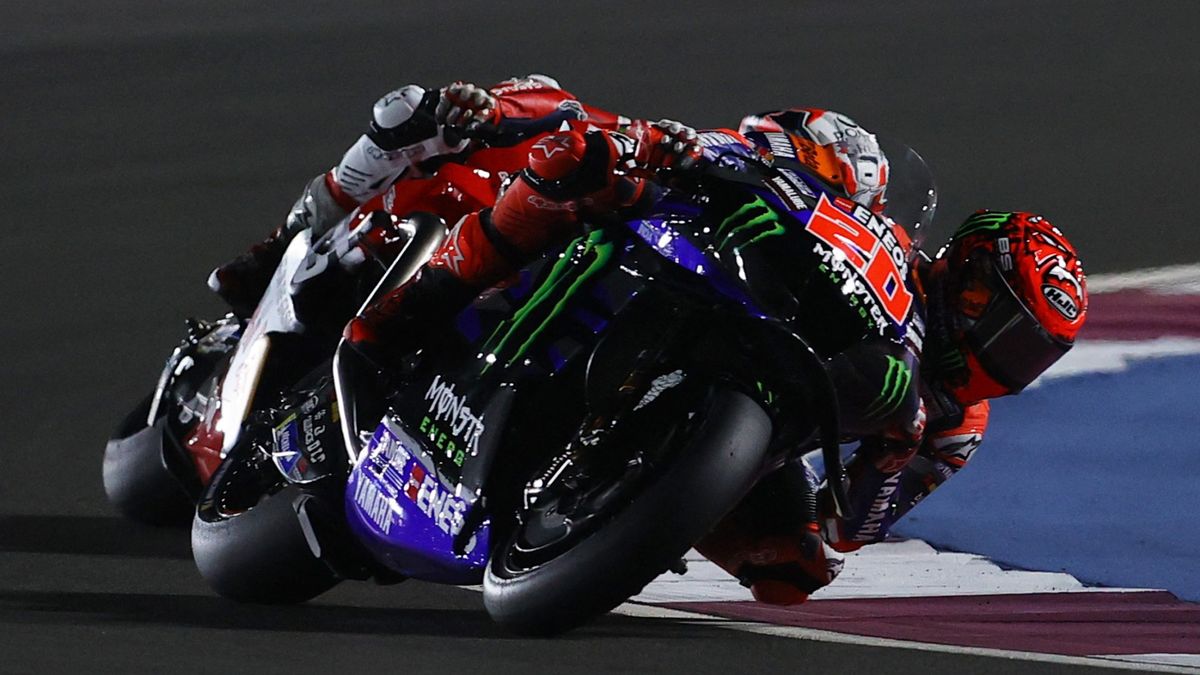
Yamaha announced on 1 November 2026 that its MotoGP team will skip the Qatar Grand Prix, invoking the “situation in the Middle East” as the reason. The decision came after the Malaysian round and just three races remain in the season, with the Qatar event scheduled for 6‑8 November at Lusail International Circuit. The governing body, MotoGP, expressed disappointment but said safety advisers had found no immediate threat.
Yamaha’s corporate travel policy, shaped by decades of risk‑aversion, treats the Middle East as a high‑risk zone for staff movement. The policy is not a public safety assessment but a protective clause that shields senior executives from liability and potential backlash if an incident occurs. By invoking the policy, the Japanese manufacturer avoids a direct political statement while still signaling concern.
The decision also reflects the broader calculus of multinational firms operating in a region where geopolitical flashpoints can erupt without warning. Qatar has invested heavily in motorsport to diversify its economy and project soft power, using the Lusail circuit as a showcase for its post‑oil ambitions. A withdrawal by a marquee brand threatens that narrative, reducing the event’s global cachet and potentially weakening future sponsorship deals.
From a competitive standpoint, Yamaha’s absence reshapes the championship battle. Fabio Quartararo and Alex Rins lose a chance to earn points, while rival Ducati and its champion Marc Marquez stand to benefit from reduced pressure. The sport’s commercial model, which relies on a full grid to attract broadcasters and advertisers, is also jeopardised; fewer manufacturers mean lower viewership and reduced revenue for the MotoGP Group.
The most visible victims are the riders themselves. Quartararo, a French world champion, faces a lost opportunity to defend his standing and a potential dip in personal sponsorship income. Rins similarly forfeits prize money and exposure that could translate into future contract negotiations.
The Lusail circuit employs thousands of seasonal workers—groundskeepers, security staff, hospitality crews—many of whom are migrant laborers from South Asia. A reduced field means fewer shifts, lower overtime pay, and a contraction in the short‑term cash flow that many families depend on during the winter months.
Local vendors, from food stalls to merchandise sellers, count on the influx of international fans to sustain their businesses. A diminished roster of teams translates into fewer spectators, directly shrinking daily sales and eroding the economic uplift the Grand Prix was meant to deliver.
Yamaha’s statement frames the pull‑out as a precaution, yet internal risk assessments likely weigh financial exposure more heavily than on‑ground safety. By not naming a specific threat, the company sidesteps admitting any operational weakness while preserving its brand image in markets that may view the Middle East unfavourably.
Qatar has leveraged high‑profile sporting events—World Cup 2022, the Doha tennis championships—to reposition itself on the world stage. The MotoGP race is part of that portfolio. The government’s public assurances to the MotoGP Group downplay regional tensions, but behind the scenes, diplomatic channels are likely monitoring the fallout, fearing that a high‑visibility withdrawal could embolden critics of its foreign policy.
Western media outlets have echoed Yamaha’s vague language, focusing on “safety” rather than probing the geopolitical undercurrents, such as the ongoing Israel‑Hamas conflict or Iran‑UAE naval drills. This framing diverts attention from the structural power play between a multinational corporation and a host nation eager to showcase stability.
Watch how Yamaha communicates its stance in the weeks leading up to the race—any shift toward a more detailed justification could signal escalating risk assessments. Monitor Qatar’s response, especially any diplomatic outreach to other manufacturers, as a test of its resilience in the face of corporate push‑back. Finally, keep an eye on the championship standings; a reshuffled points table could alter the commercial dynamics for teams and sponsors well beyond the season’s end.
Yamaha cited its corporate travel restrictions and the broader ‘situation in the Middle East’ as the reason, invoking a risk‑aversion policy rather than a specific security threat.
Seasonal staff at the Lusail circuit lose shifts and overtime pay, and nearby vendors face reduced sales as fewer teams and fans attend the event.
Source referenced: ALJAZEERA
This brief was synthesized by our Editorial Engine and reviewed by The Ground Narrative team.


