TRENDING

Friday, 23 October 2026
----------------------
12 Jumada Al-Awwal 1448 AH
Deadly violence in the occupied West Bank has reportedly intensified, signaling a critical flashpoint within a Middle East already grappling with fragile ceasefires, escalating Red Sea tensions, and surging oil prices. This escalation underscores the persistent volatility of the Israeli-Palestinian conflict and its potential to destabilize the wider region.
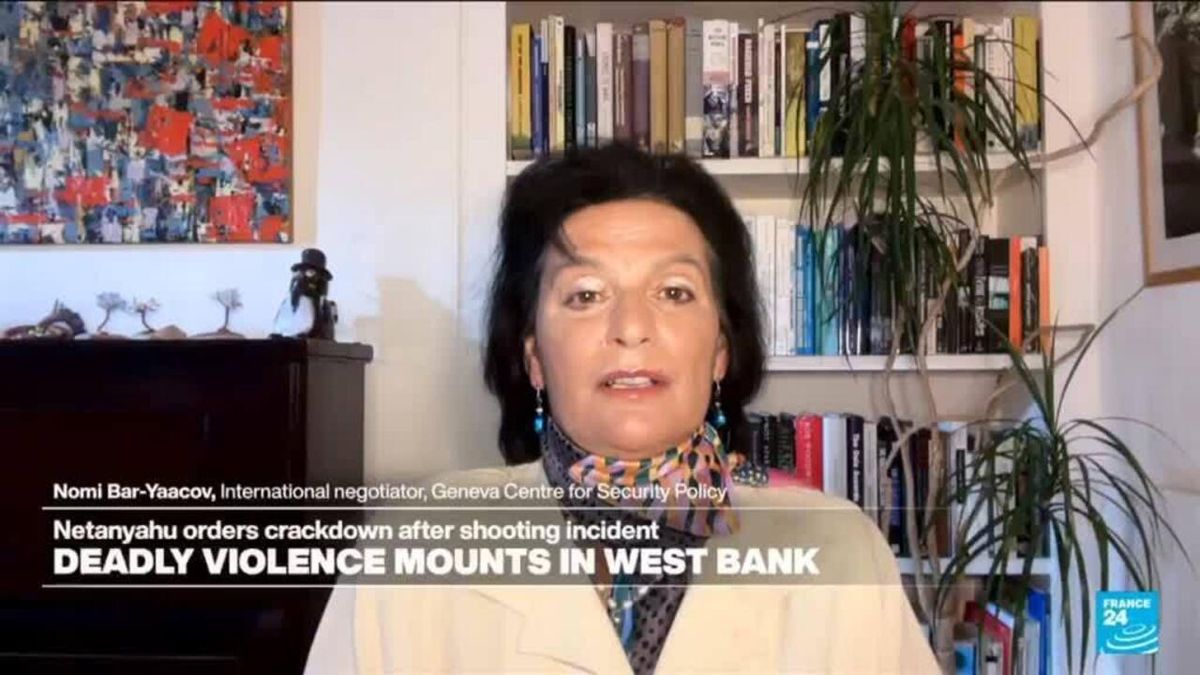
Reports indicate a significant escalation of deadly violence in the occupied West Bank, with tensions mounting around July 25, 2026. While the provided information does not detail specific incidents, the parties involved, or the immediate triggers for this particular surge, such violence typically involves clashes between Israeli security forces and Palestinian residents. These confrontations often stem from Israeli military operations, settler activities, or Palestinian resistance, all set against the backdrop of the ongoing occupation, the expansion of Israeli settlements, and the lack of a political resolution to the conflict. The West Bank, a territory central to the Israeli-Palestinian dispute, remains a critical flashpoint where localized events can quickly reverberate across the region.
This West Bank escalation does not occur in isolation but within a broader context of heightened regional instability. The Middle East is currently navigating a complex web of interconnected crises, where developments in one area can profoundly impact others:
* Gaza Ceasefire Fragility: Just nine months after a ceasefire in Gaza, conditions there are described as "incredibly dire," with an ongoing food crisis. This suggests that the underlying grievances and humanitarian challenges that fuel conflict remain largely unaddressed. Such a volatile environment means that West Bank violence could easily ignite wider conflagrations or serve as a symptom of unresolved issues, potentially jeopardizing the fragile peace in Gaza.
* Red Sea Tensions: Concurrently, the Red Sea region is experiencing growing tensions, marked by Saudi-Houthi clashes. This indicates a widening arc of conflict involving state and non-state actors, impacting vital shipping lanes and global trade. The interconnectedness of these regional flashpoints means that an escalation in the Israeli-Palestinian arena can divert attention, resources, or even trigger retaliatory actions from various regional players.
* Iran's Role: Iran has issued warnings to countries aiding potential U.S. attacks, underscoring the persistent geopolitical rivalry between Tehran and Washington, often played out through proxy conflicts across the Middle East. This adds another layer of complexity, as regional actors may perceive opportunities or threats in any localized escalation, potentially drawing external powers into the fray.
The mounting regional tensions, including the West Bank violence and Red Sea clashes, have directly impacted global energy markets. Oil prices surged above $100 a barrel for the first time since May, reflecting investor concerns over supply disruptions and the potential for a wider regional conflict. This economic indicator highlights the global stakes involved in Middle East stability, as energy security remains a paramount concern for major economies worldwide.
Diplomatically, the renewed violence poses significant challenges to any ongoing or future peace initiatives between Israelis and Palestinians. It undermines trust, hardens negotiating positions, and makes diplomatic breakthroughs more difficult. The international community, including the United States, which has historically played a mediating role, faces increased pressure to de-escalate tensions and address the root causes of the conflict. Furthermore, beyond the immediate casualties, sustained violence in the West Bank exacerbates humanitarian conditions for Palestinians, impacting freedom of movement, access to essential services, and economic stability.
The West Bank remains a critical barometer of the broader Israeli-Palestinian conflict. Escalations here often reflect deeper frustrations and a lack of a viable political horizon. For Israel, security operations are typically framed as necessary to prevent attacks and maintain order, while for Palestinians, the violence is a consequence of occupation and a struggle for self-determination. The interplay between the West Bank, Gaza, and other regional flashpoints suggests a highly complex and interconnected security environment. A significant escalation in the West Bank could strain the Gaza ceasefire, draw in regional powers, and further destabilize the Red Sea, potentially leading to a multi-front crisis.
The international community's capacity to influence events appears increasingly challenged by the multitude of crises. The focus on a Gaza ceasefire, while critical, may have inadvertently allowed tensions to simmer or escalate elsewhere. Looking ahead, without a credible political process to address the core issues of occupation, settlements, and Palestinian rights, the cycle of violence in the West Bank is likely to persist. The current surge serves as a stark reminder that even localized conflicts in the Middle East carry significant regional and global implications, particularly for energy security and international diplomacy.
Editor's Note: The source article provides a headline and date regarding mounting violence in the West Bank but lacks specific details on the incidents, actors, or casualties. This analysis draws on the broader regional context implied by related articles from the same period to discuss the geopolitical significance of such escalations.
Source referenced: FRANCE24
This brief was synthesized by our Editorial Engine and reviewed by The Ground Narrative team.