TRENDING

Thursday, 15 October 2026
----------------------
4 Jumada Al-Awwal 1448 AH
Two powerful earthquakes have devastated Venezuela, claiming over 4,300 lives and displacing thousands, exacerbating the nation's profound economic and political challenges. The disaster tests the government's capacity and could reshape its international engagement amid a complex humanitarian crisis.
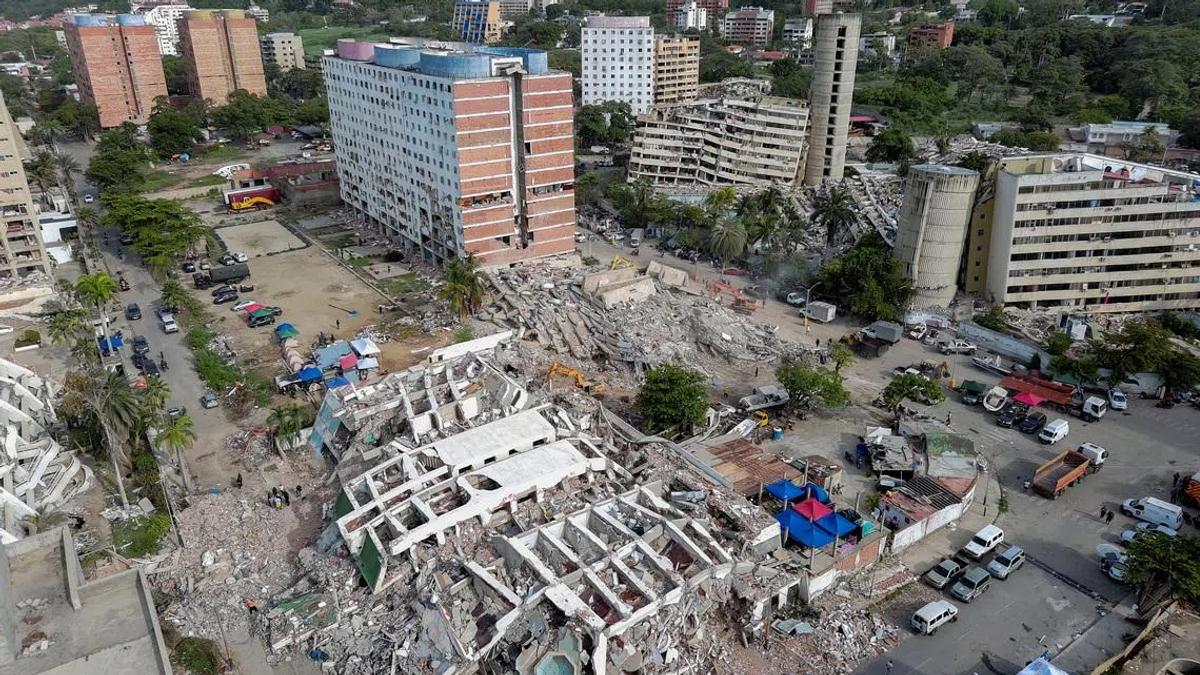
On June 24, two powerful earthquakes struck Venezuela, triggering a humanitarian crisis of significant proportions. As reported by National Assembly President Jorge Rodriguez on July 11, 2026, the death toll has tragically risen to 4,333, with 315 victims yet to be identified. The seismic events also left 16,740 people injured and approximately 17,000 homeless, underscoring the immense human cost and the immediate challenges facing the South American nation. The scale of destruction includes 856 affected buildings, 190 of which suffered complete or structural collapse, highlighting critical infrastructure vulnerabilities.
In the immediate aftermath, Venezuelan authorities, led by acting President Delcy Rodriguez, initiated search and rescue operations, successfully saving 6,462 individuals. The government has announced plans to begin distributing housing to affected populations, with the first 200 homes to be allocated in the coming week. Preliminary estimates suggest a need for 25,000 new homes, with around 40 plots of land, totaling approximately 584,000 square meters, identified in areas like Osma and Chuspa for reconstruction efforts. While these steps address immediate needs, the sheer scale of displacement and the long-term recovery requirements present a formidable challenge for a nation already grappling with severe internal issues.
The earthquakes strike Venezuela at a particularly precarious time. The nation has endured years of profound economic crisis, marked by hyperinflation, widespread shortages, and the crippling effects of international sanctions. The disaster will inevitably divert scarce resources, further straining public finances and infrastructure already weakened by underinvestment and political instability. The article's reference to "economic uncertainty looms over Venezuela quake zone" is a critical indicator, suggesting that the recovery effort will be hampered by pre-existing economic woes, potentially pushing the country deeper into recession and increasing social unrest.
Beyond the economic impact, the disaster carries significant political implications. The government's response will be under intense scrutiny, both domestically and internationally. Effective and transparent disaster management could potentially bolster public trust and demonstrate governmental capacity, while any perceived failures could exacerbate existing political divisions and fuel discontent. The mention that the "quake tragedy threatens to set back democratic transition" is particularly salient, suggesting that the crisis could derail nascent efforts towards political reform or reconciliation, further entrenching the current political landscape or even leading to greater instability.
The humanitarian crisis also brings Venezuela's complex international relations into sharp focus. Given its strained ties with many Western nations and the existing sanctions regime, securing broad-based international aid may prove challenging. While countries like China, Russia, and Cuba, which maintain closer diplomatic and economic ties with Caracas, are likely to offer support, the extent and nature of this assistance will be closely watched. The need for massive reconstruction efforts could, paradoxically, open avenues for diplomatic engagement or, conversely, underscore Venezuela's geopolitical isolation if aid is insufficient or politically conditional.
Furthermore, the disaster highlights the vulnerability of Venezuela's infrastructure to natural hazards, a concern that extends beyond seismic activity to other potential climate-related events. The long-term rebuilding process will require not only financial capital but also technical expertise and robust governance to ensure resilient construction standards, a significant undertaking for any nation, let alone one facing Venezuela's unique set of challenges.
The dual earthquakes represent a profound tragedy for Venezuela, inflicting immense human suffering and compounding the nation's already severe economic and political difficulties. The immediate priority remains humanitarian aid and rescue, but the long-term implications for Venezuela's stability, economic recovery, and international standing are substantial. The path to recovery will be arduous, demanding significant resources, effective governance, and potentially a recalibration of its international engagement to address the multifaceted challenges now facing the nation.
Source referenced: STRAITSTIMES
This brief was synthesized by our Editorial Engine and reviewed by The Ground Narrative team.