TRENDING

Thursday, 15 October 2026
----------------------
4 Jumada Al-Awwal 1448 AH
A devastating wildfire in Spain's southeastern Almería province has claimed at least 12 lives, predominantly foreign nationals, and forced the evacuation of over 1,400 people. The incident underscores the escalating threat of climate-driven natural disasters and the complex demands on emergency services in vulnerable regions.
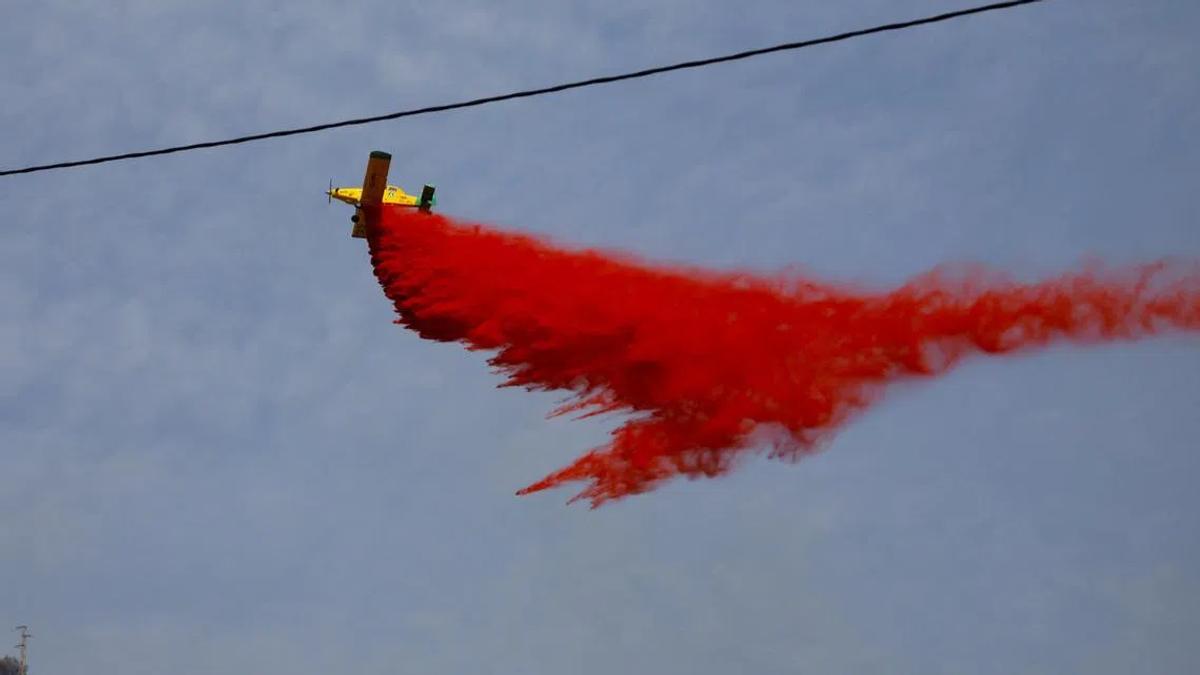
Spain's southeastern Almería province is grappling with a deadly wildfire that has rapidly escalated into a significant humanitarian and environmental crisis. The blaze, which ignited near the forested district of Bédar north of Los Gallardos, spread with alarming speed on Friday, July 11, 2026, fanned by strong winds. Emergency services confirmed that firefighters began shifting from a defensive posture to an offensive strategy on Saturday, marking a critical turning point in efforts to contain the inferno.
The immediate human toll of the disaster is severe. Autopsies have been conducted on 12 bodies recovered from the affected areas, with authorities indicating that most of the deceased are believed to be British and Belgian nationals, alongside one Spaniard. Eight individuals sustained injuries, four of whom remain in severe condition in a Seville hospital. The identification process for the victims is ongoing, with DNA samples transferred to Madrid for analysis and comparison with family-provided data. This international dimension of the casualties highlights the global impact of such disasters, particularly in regions popular with expatriates and tourists.
The sheer scale and intensity of the Almería wildfire have presented formidable challenges to Spain's emergency response capabilities. Over 500 firefighters and emergency workers, including regional units, soldiers, and specialists from a national brigade, have been deployed to combat the blaze. Their initial efforts focused on defensive operations, successfully preventing the fire from breaching a critical highway and threatening more densely populated coastal towns. This strategic containment was crucial in mitigating an even greater potential loss of life and property.
As of Saturday, the operational focus shifted to actively attacking the fire, with crews concentrating their efforts on the western flank where the blaze remains most intense and is spreading fastest. The rapid progression of the fire, covering 15 kilometers in just two hours at one point, underscores the extreme conditions faced by responders. The regional president's account of the fire's speed illustrates the sudden and overwhelming nature of the threat, leaving little time for residents to react. So far, an estimated 6,600 hectares of land have been consumed by the fire, representing a significant ecological and economic loss for the region.
While the immediate focus remains on containment and recovery, the Almería wildfire carries significant broader implications for Spain and the wider Mediterranean region. The increasing frequency and intensity of such blazes are widely linked to changing climate patterns, characterized by prolonged droughts, higher temperatures, and stronger winds. This incident serves as a stark reminder of the escalating environmental challenges that demand robust long-term strategies for prevention, early detection, and rapid response.
The presence of a significant number of foreign nationals among the victims also raises questions about emergency communication and evacuation protocols for non-Spanish speaking residents and tourists. Spain, a major global tourism destination, relies heavily on its coastal regions, and large-scale natural disasters like this can have a detrimental impact on the industry, affecting local economies and livelihoods. The cost of firefighting operations, infrastructure damage, and potential agricultural losses will also place a considerable burden on regional and national budgets.
This event underscores the critical importance of continuous investment in emergency services, advanced firefighting technologies, and public awareness campaigns. As Southern Europe continues to face hotter and drier summers, the Almería wildfire is not an isolated incident but rather a symptom of a persistent and growing threat that requires coordinated national and international efforts to address both its immediate consequences and its underlying causes.
Source referenced: STRAITSTIMES
This brief was synthesized by our Editorial Engine and reviewed by The Ground Narrative team.


