TRENDING

Saturday, 11 July 2026
----------------------
26 Muharram 1448 AH
US President Donald Trump's announcement that the US has agreed to continue talks with Iran after Tehran asked to continue negotiations marks a significant shift in diplomatic strategy between the two nations.
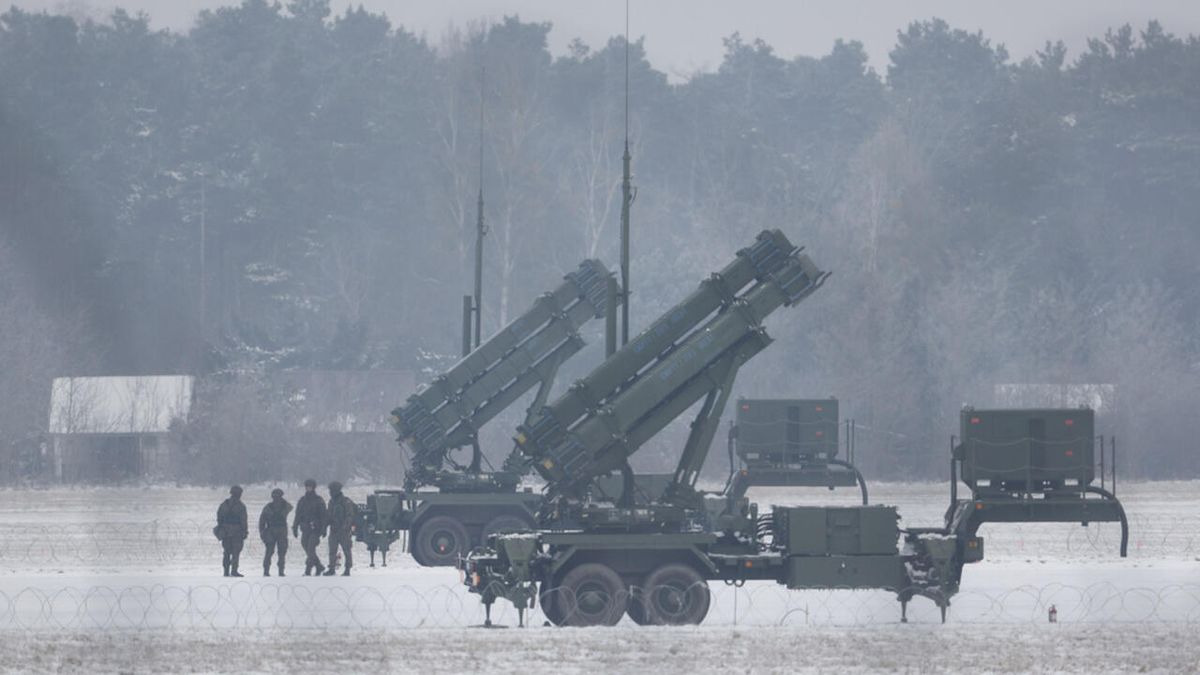
The recent announcement by US President Donald Trump that the US has agreed to continue talks with Iran after Tehran asked to continue negotiations marks a significant shift in diplomatic strategy between the two nations. This development has sparked widespread interest and speculation about the implications of this move.
The US and Iran have had a tumultuous relationship for decades, with tensions escalating in recent years over issues such as nuclear proliferation, regional influence, and human rights. The US has imposed economic sanctions on Iran, which has had a devastating impact on the country's economy. In response, Iran has threatened to withdraw from the Joint Comprehensive Plan of Action (JCPOA), also known as the Iran nuclear deal.
The US decision to agree to continue talks with Iran may be motivated by several factors. One possible reason is that the US is seeking to ease tensions in the region and prevent further escalation. The US may also be trying to reassert its influence in the Middle East and counterbalance the growing influence of other regional powers, such as China and Russia.
The US-Iran talks have significant implications for the region. A successful negotiation could lead to a reduction in tensions and a decrease in the risk of conflict. However, a failure to reach an agreement could lead to further escalation and potentially even war.
The future consequences of the US-Iran talks are uncertain. If the talks are successful, it could lead to a significant shift in the regional balance of power and potentially even a new era of cooperation between the US and Iran. However, if the talks fail, it could lead to further instability and potentially even conflict.
The US decision to agree to continue talks with Iran is a significant development that marks a shift in diplomatic strategy between the two nations. While the motivations behind this move are unclear, it is likely that the US is seeking to ease tensions in the region and prevent further escalation. The regional implications of this move are significant, and the future consequences are uncertain. Only time will tell if this move will lead to a successful negotiation and a reduction in tensions or further instability and potentially even conflict.
Source referenced: FRANCE24
This brief was synthesized by our Editorial Engine and reviewed by The Ground Narrative team.

