TRENDING

Friday, 16 October 2026
----------------------
5 Jumada Al-Awwal 1448 AH
Ukraine establishes a 'long-range impact' command to intensify strikes on Russian energy infrastructure, forcing Moscow to ban diesel exports and restrict shipping. This development marks a significant shift in the conflict, but experts warn it's too early to say Ukraine has turned the tide.
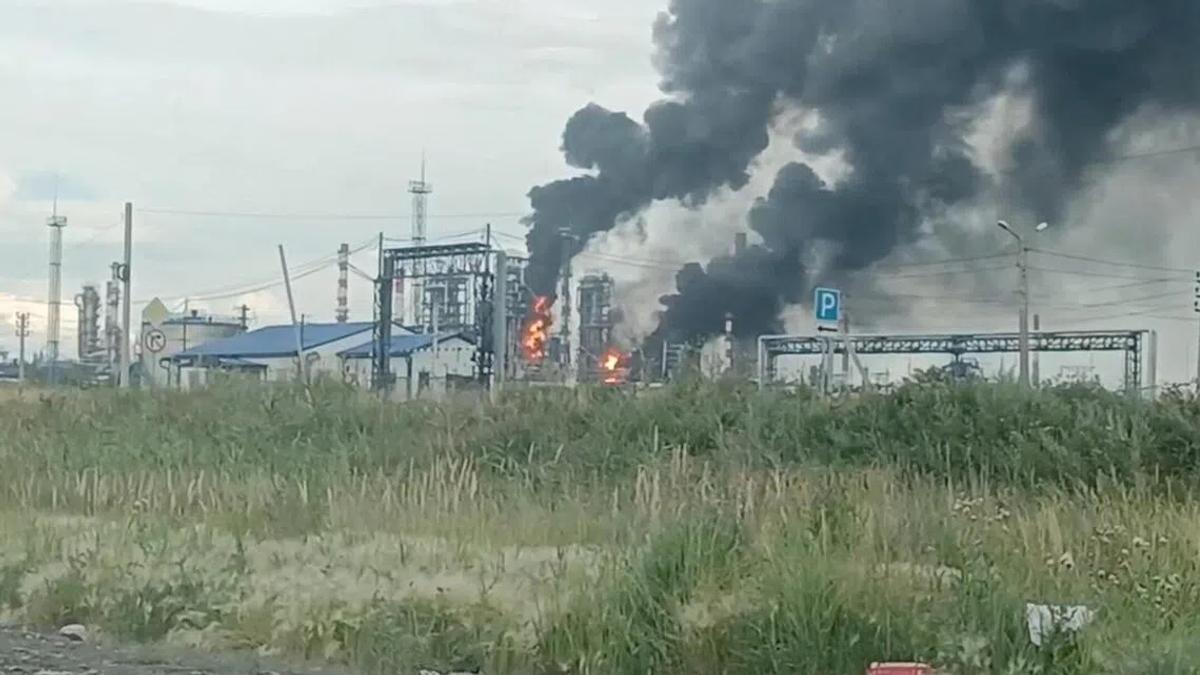
The recent establishment of a 'long-range impact' command within Ukraine's armed forces, as announced by President Volodymyr Zelensky, marks a significant escalation in the country's campaign against Russian energy and logistics. This development has forced Moscow to ban diesel exports and restrict shipping near the Sea of Azov, dealing a blow to Russia's war effort and economy.
The long-range strikes on Russian energy infrastructure are a direct response to Moscow's full-scale invasion of Ukraine, which began over four years ago. By targeting key energy facilities thousands of kilometers across Russia, Ukraine aims to deplete Moscow's war chest and reduce its capacity to wage war. This strategy has already shown promising results, with Russia's domestic gasoline output down to around 65% of capacity due to the strikes.
Ukraine's decision to establish a long-range command is a calculated move to counter Russia's military advantage. By focusing 100% of available resources on reducing Russia's capacity to wage war, Ukraine aims to level the playing field and create a more favorable environment for negotiations. This move also sends a strong message to Moscow that Ukraine will not be intimidated by Russia's relentless attacks.
The conflict between Ukraine and Russia has been ongoing for over four years, with both sides suffering significant losses. However, Ukraine's recent successes in targeting Russian energy infrastructure mark a significant departure from the early days of the invasion and years of attritional warfare. This development has the potential to shift the balance of power in favor of Ukraine and create a more favorable environment for peace talks.
The long-range strikes on Russian energy infrastructure have significant regional implications. By restricting shipping near the Sea of Azov, Russia may be forced to reconsider its wheat exports, which could have a devastating impact on the country's economy. This development also highlights the vulnerability of Russia's energy infrastructure and the potential for further attacks.
The establishment of a long-range command within Ukraine's armed forces has the potential to significantly alter the course of the conflict. If Ukraine can sustain its momentum and continue to target Russian energy infrastructure, it may be able to force Moscow to reconsider its war effort and negotiate a peace deal. However, experts warn that it's too early to say Ukraine has turned the tide of the conflict, and the situation remains fluid.
The establishment of a long-range command within Ukraine's armed forces marks a significant escalation in the country's campaign against Russian energy and logistics. This development has forced Moscow to ban diesel exports and restrict shipping near the Sea of Azov, dealing a blow to Russia's war effort and economy. While it's too early to say Ukraine has turned the tide of the conflict, this development has the potential to shift the balance of power in favor of Ukraine and create a more favorable environment for peace talks.
Source referenced: STRAITSTIMES
This brief was synthesized by our Editorial Engine and reviewed by The Ground Narrative team.