TRENDING

Friday, 16 October 2026
----------------------
5 Jumada Al-Awwal 1448 AH
Typhoon Bavi, the second major storm to hit China in a week, prompted the evacuation of over 1.7 million people in eastern provinces, disrupting critical infrastructure and underscoring the escalating challenge of extreme weather across East Asia. The storm's path also brought devastation to the Philippines and significant disruptions to Taiwan and Japan.
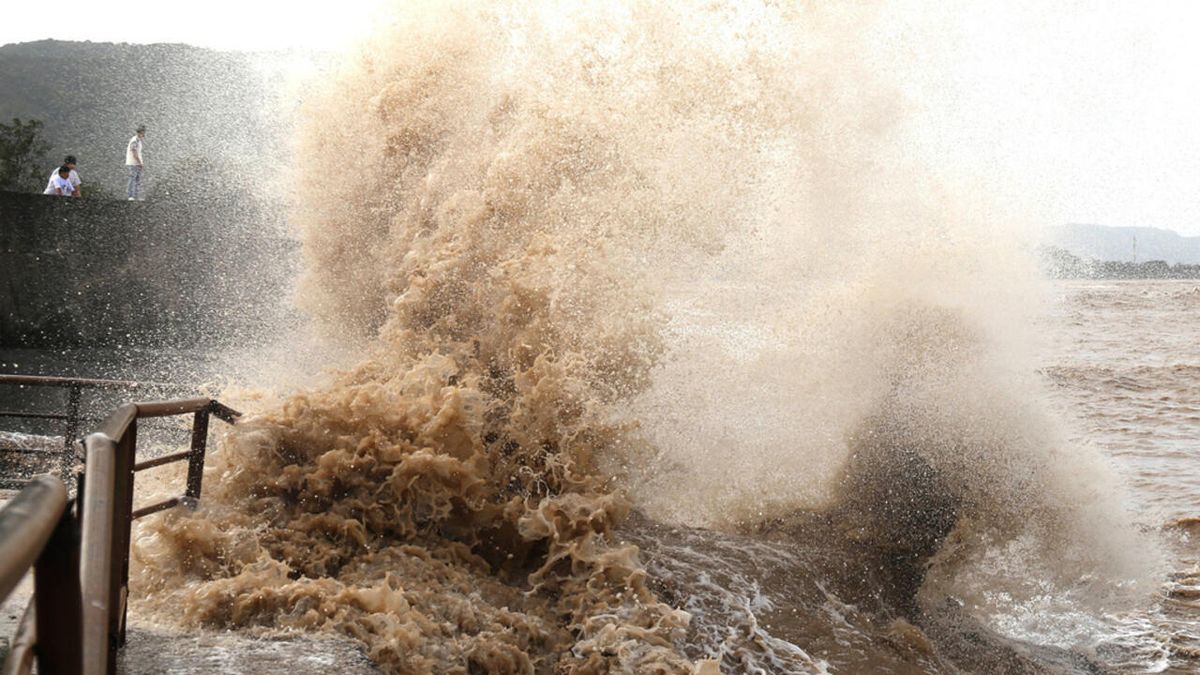
Typhoon Bavi made landfall in China's eastern province of Zhejiang late on Saturday, July 11, 2026, marking the second major typhoon to impact the country within a week. The storm, which previously brought strong winds and heavy rainfall to Japan's southern islands and Taiwan, necessitated the evacuation of more than 1.7 million people across China's coastal regions, including Zhejiang, Shanghai, and Fujian provinces. This large-scale mobilization highlights the significant challenges posed by increasingly frequent and intense extreme weather events to densely populated and economically vital areas.
Chinese authorities initiated a robust response, issuing an orange typhoon alert—the second-highest on a four-tier system—and the year's first red alert for rainstorms. In preparation for Bavi's arrival, hundreds of flights were cancelled, and high-speed railway services were halted, underscoring the immediate economic and logistical disruptions. The government allocated 40 million yuan ($5.9 million) in central natural disaster relief funds to support prevention, emergency rescue, and relief efforts in Zhejiang and Fujian, demonstrating a substantial commitment of resources to mitigate the storm's impact.
Before reaching China, Typhoon Bavi left a trail of destruction and disruption across other parts of East Asia. In the southern Philippines, the typhoon intensified seasonal monsoon rains, leading to devastating landslides that claimed at least 17 lives. Villages in Sarangani and Lanao del Sur provinces were particularly hard-hit, with multiple fatalities and missing persons reported. Approximately 11,000 villagers sought refuge in emergency shelters, illustrating the severe humanitarian crisis triggered by the storm's indirect effects.
Taiwan also experienced significant impacts, with authorities registering at least 113 injuries, primarily from accidents on slippery roads. Over 14,200 people were evacuated across the island, and schools and offices were suspended in most areas. Japan's southern islands, including Okinawa and Ishigaki, faced warnings of high waves, strong winds, and storm surges, leading to more than 200 flight cancellations. The widespread disruption across multiple nations underscores the interconnected vulnerability of the region to such natural phenomena.
The landfall of Typhoon Bavi, following closely on the heels of Typhoon Maysak, carries significant geopolitical and economic implications for China and the broader East Asian region. For China, the event serves as a critical test of its disaster preparedness and response capabilities. The successful evacuation of millions and the rapid allocation of funds demonstrate the state's robust capacity for centralized emergency management. However, the recurring nature of such events places immense strain on national infrastructure, economic productivity, and public resources.
Eastern China, particularly provinces like Zhejiang and cities like Shanghai, are major industrial and commercial hubs. Disruptions to transportation networks, manufacturing, and supply chains due to severe weather can have cascading effects on both domestic and international trade. The economic cost of damage, recovery, and lost productivity will be substantial, potentially impacting regional growth forecasts.
More broadly, the typhoon's trajectory across the Philippines, Taiwan, Japan, and China highlights a shared regional vulnerability to extreme weather events, a trend increasingly linked to climate change. While the article does not explicitly delve into climate policy, the frequency and intensity of these storms necessitate enhanced regional cooperation on disaster preparedness, early warning systems, and climate adaptation strategies. The collective experience of these nations in confronting Bavi underscores the urgent need for long-term strategic planning to safeguard populations, critical infrastructure, and economic stability in a region highly susceptible to the impacts of a changing global climate.
In conclusion, Typhoon Bavi's impact on China and its neighbors is a stark reminder of the escalating challenges posed by natural disasters. It not only tests the resilience and response mechanisms of individual nations but also emphasizes the shared environmental and economic fate of East Asia, demanding sustained attention to both immediate relief and long-term strategic adaptation.
Source referenced: FRANCE24
This brief was synthesized by our Editorial Engine and reviewed by The Ground Narrative team.


