TRENDING

Monday, 9 November 2026
----------------------
29 Jumada Al-Awwal 1448 AH
U.S. officials argue that a costly war against Iran is essential to halt its nuclear ambitions, even as voters push back. The analysis uncovers the power calculations behind the rhetoric and the communities that will bear the brunt.
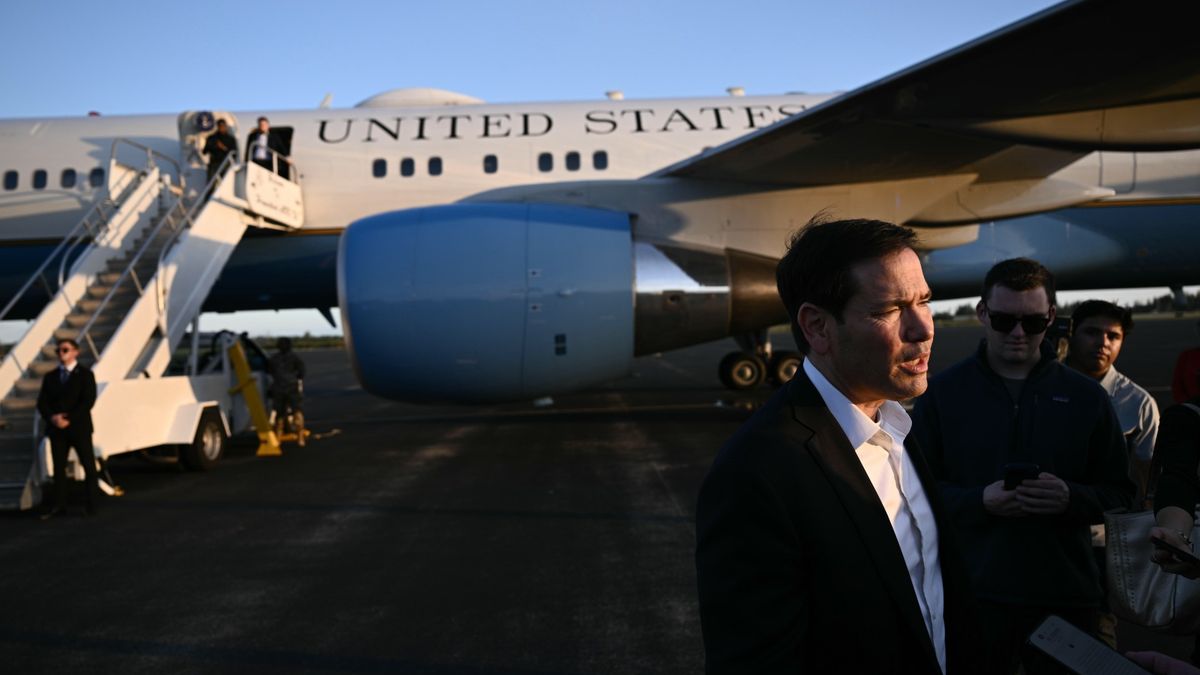
On November 8, 2026, Marco Rubio, the U.S. Secretary of State, told reporters in Homestead, Florida, that the war against Iran was "unpopular but necessary" to stop Tehran’s nuclear program. President Donald Trump echoed the sentiment, insisting the conflict would be remembered as one of his administration’s greatest achievements, even as the recent midterm elections showed a sharp backlash against the war. Iranian Foreign Minister Abbas Araghchi responded on X, demanding the United States meet a two‑day proposal that includes an end to hostilities and the reopening of the Strait of Hormuz.
The timing of the war’s justification is inseparable from the 2026 midterm results, where Republican candidates suffered historic losses in districts that had previously leaned conservative. Trump framed the conflict as a legacy‑building move, positioning himself as a defender of national security to shore up his base ahead of a potential 2028 presidential run. By casting the war as a non‑negotiable safeguard, he attempts to re‑energize voters who feel threatened by a perceived nuclear Iran.
The defense sector stands to gain billions from sustained operations in the Persian Gulf. Contracts for aircraft, missiles, and logistics support have already surged, with major contractors lobbying Congress for expanded authorizations. The war provides a convenient justification for the military‑industrial complex to push through budget increases that would otherwise face public scrutiny.
Qatar has positioned itself as a mediator, offering proposals that could de‑escalate the crisis if the United States accepts Tehran’s terms. However, the U.S. must balance its commitments to regional allies—Saudi Arabia, the United Arab Emirates, and Israel—who view any concession as a betrayal. The calculus therefore involves not only direct U.S.–Iran relations but also the broader network of security guarantees that underpin American influence in the Gulf.
Control over the Strait of Hormuz, through which roughly a third of global oil passes, remains a strategic lever. By maintaining a naval presence, the United States can influence oil prices and protect the interests of multinational energy firms. Yet the war threatens to disrupt shipping, raise freight costs, and push up gasoline prices for consumers worldwide, creating a paradox where the U.S. government claims to protect global markets while simultaneously endangering them.
Air strikes and naval blockades have already damaged civilian ports, hospitals, and schools in southern Iran. Displacement estimates suggest that over 200,000 residents have fled coastal towns, facing shortages of clean water and medical supplies. The economic fallout will likely push millions into poverty as reconstruction funds are diverted to military spending.
The Gulf’s construction boom relies heavily on migrant workers from South Asia and Africa. Heightened security alerts have led to travel bans and visa suspensions, leaving thousands of laborers stranded in limbo, unable to return to their families or secure new contracts. Their wages, often paid in cash, are at risk of being frozen as banks tighten compliance measures.
While the war is framed as a strategic necessity, the human toll on American troops is less visible. Deployments to forward bases in the region have increased by 40%, extending tours of duty and straining mental‑health resources. Families back home face prolonged separations, financial strain from frequent relocations, and the lingering fear of casualties.
Official statements emphasize the impossibility of a diplomatic breakthrough, yet back‑channel negotiations between Qatar and Tehran have been ongoing for weeks. These talks, facilitated by private financiers and regional clerics, aim to craft a phased nuclear agreement that could be presented as a U.S. concession only after the war’s narrative has solidified public support.
Major oil corporations stand to profit from any disruption that forces nations to rely on alternative supply routes. By keeping the Strait of Hormuz partially closed, they can justify higher freight rates and secure long‑term contracts with governments seeking energy security. This profit motive is rarely mentioned in official briefings.
The administration’s messaging focuses on the existential threat of a nuclear‑armed Iran, downplaying the fact that Iran’s nuclear program remains under the constraints of the Joint Comprehensive Plan of Action (JCPOA) framework, albeit with limited compliance. By repeatedly invoking apocalyptic language, officials sidestep nuanced debate about verification mechanisms and diplomatic alternatives.
- Negotiation signals: Any softening of Iranian demands or a sudden uptick in Qatari diplomatic activity could indicate a back‑door settlement. Watch for statements from the U.S. National Security Council that reference “strategic patience.”
- Legislative moves: The House Armed Services Committee is expected to vote on a supplemental defense appropriations bill next month. Amendments that tie funding to specific operational milestones in the Gulf will reveal how deeply Congress is committing to the war.
- Energy price trends: A sharp rise in Brent crude or spot rates for tanker freight through the Hormuz corridor would signal that the conflict is affecting global markets, potentially prompting foreign governments to pressure Washington for a de‑escalation.
- Public opinion polls: New surveys released after the midterm cycle will show whether the war’s unpopularity is waning or intensifying, influencing the political calculus for both Trump and his Republican rivals.
By tracking these indicators, readers can gauge whether the war remains a policy of principle or a calculated gamble that will reshape regional power balances and everyday lives far beyond the headlines.
U.S. officials argue that Tehran’s nuclear ambitions pose an existential threat, and they frame the conflict as a pre‑emptive measure to prevent a nuclear breakout. The narrative also serves political survival for leaders facing electoral backlash.
Disruption of oil shipments could push global crude prices higher, increase freight costs, and strain economies dependent on cheap energy. Energy firms may profit from higher rates, while consumers worldwide face higher fuel prices.
Source referenced: ALJAZEERA
This brief was synthesized by our Editorial Engine and reviewed by The Ground Narrative team.


