TRENDING

Friday, 16 October 2026
----------------------
5 Jumada Al-Awwal 1448 AH
The US plans to withdraw its troops from Iraq by September 30, with the Iraqi government tying the withdrawal to the disarming of Iran-backed militias. This development has significant implications for regional stability and the balance of power in the Middle East.
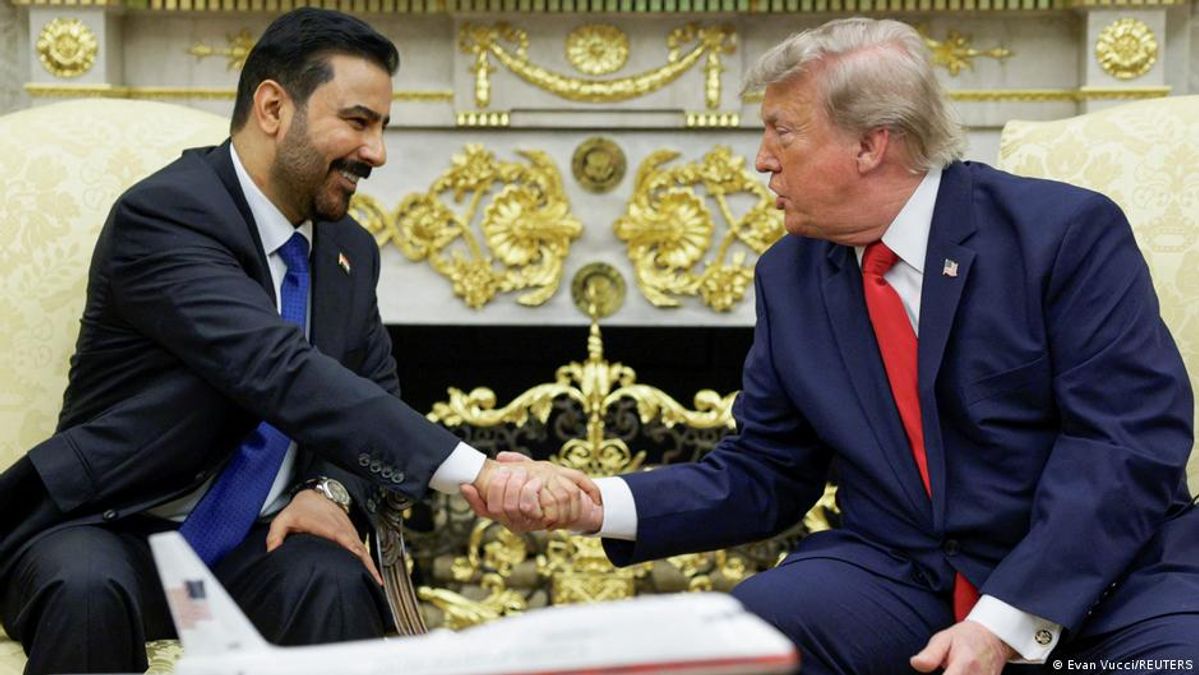
The United States plans to withdraw its troops from Iraq by September 30, marking a significant shift in the country's military presence in the region. This development has sparked widespread interest and debate, with many analysts and policymakers seeking to understand the strategic implications and regional consequences of this move.
The US has maintained a military presence in Iraq since the 2003 invasion, with the primary objective of combating the Islamic State (IS) and providing security assistance to the Iraqi government. However, the number of US troops in the country has declined significantly in recent months, with the current deployment consisting of around 2,500 personnel.
The US withdrawal from Iraq is likely driven by a combination of strategic and economic motivations. The Biden administration has sought to reorient US foreign policy towards a more multipolar world, with a focus on strengthening alliances and partnerships in the Asia-Pacific region. The withdrawal from Iraq is seen as a key component of this strategy, allowing the US to redeploy its military resources to more pressing regions.
The US withdrawal from Iraq has significant implications for regional stability and the balance of power in the Middle East. The disarming of Iran-backed militias is a key condition for the withdrawal, which raises concerns about the potential for increased Iranian influence in the region. The Iraqi government's efforts to disarm these militias may be seen as a compromise with Iran, potentially undermining the country's sovereignty and stability.
The US withdrawal from Iraq is likely to have far-reaching consequences for the region, including:
* Increased Iranian influence in Iraq and the broader Middle East
* Potential destabilization of the Iraqi government and security forces
* Shifts in the regional balance of power, with implications for US allies and adversaries
* Opportunities for US companies to invest in Iraq's oil, gas, and power sectors
The US withdrawal from Iraq is a significant development with far-reaching implications for regional stability and the balance of power in the Middle East. As the US redeploy its military resources to more pressing regions, the Iraqi government must navigate a complex web of regional and international interests to ensure the country's sovereignty and stability.
Source referenced: DW
This brief was synthesized by our Editorial Engine and reviewed by The Ground Narrative team.