TRENDING

Tuesday, 13 October 2026
----------------------
2 Jumada Al-Awwal 1448 AH
The 60-day ceasefire between the US and Iran has fallen apart, raising questions about the cycle of war, talks, and hostilities. We analyze the strategic motivations, historical context, and regional implications of this conflict.
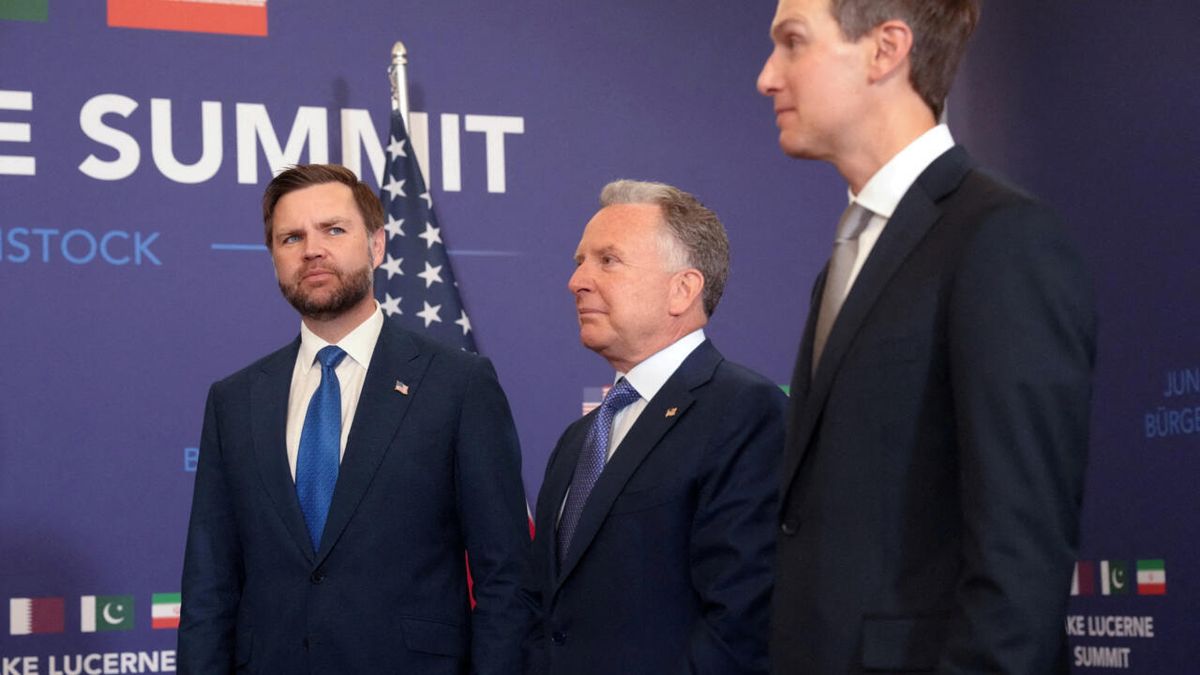
The recent collapse of the 60-day ceasefire between the US and Iran has reignited concerns about the stability of the Middle East. This cycle of war, talks, and hostilities has been ongoing for years, with each side seemingly trapped in a pattern of performative drama. But what drives this cycle, and how can it be broken?
The US-Iran conflict has its roots in the 1979 Iranian Revolution, which overthrew the US-backed Shah and established an Islamic republic. Since then, the two countries have been locked in a struggle for influence in the region. The US has sought to contain Iran's growing power, while Iran has sought to assert its dominance.
The US has several strategic motivations for engaging with Iran. Firstly, it seeks to prevent Iran from developing nuclear weapons, which it believes would pose a significant threat to regional stability. Secondly, the US wants to limit Iran's influence in the region, particularly in countries such as Iraq, Syria, and Lebanon. Finally, the US is seeking to secure its energy interests, particularly in the Strait of Hormuz, which is a critical waterway for global oil supplies.
Iran, on the other hand, has its own set of strategic motivations. It seeks to assert its dominance in the region, particularly in countries that were once part of the Ottoman Empire. Iran also wants to secure its energy interests, particularly in the Caspian Sea region. Finally, Iran is seeking to counterbalance the influence of the US and its allies in the region.
The conflict between the US and Iran has significant regional implications. Firstly, it has destabilized the Middle East, creating a power vacuum that has been filled by extremist groups such as ISIS. Secondly, it has strained relations between the US and its allies in the region, particularly in countries such as Saudi Arabia and the UAE. Finally, it has created a sense of uncertainty among regional actors, who are unsure of how to navigate the complex web of alliances and rivalries.
So, how can the cycle of war and talks be broken? One possible solution is for the US and Iran to engage in direct talks, without preconditions. This would allow both sides to address their differences and find common ground. Another possible solution is for the US to offer Iran a grand bargain, which would include concessions on issues such as nuclear development and regional influence.
The conflict between the US and Iran is a complex and multifaceted issue, driven by a range of strategic motivations and historical context. Breaking the cycle of war and talks will require a deep understanding of these factors, as well as a willingness to engage in direct talks and find common ground. Ultimately, the future of the Middle East depends on the ability of the US and Iran to find a peaceful resolution to their differences.
Source referenced: FRANCE24
This brief was synthesized by our Editorial Engine and reviewed by The Ground Narrative team.