TRENDING

Monday, 19 October 2026
----------------------
8 Jumada Al-Awwal 1448 AH
The United States is proposing new tariffs on goods from 60 economies, including major allies and rivals, citing failures to prohibit imports made with forced labor. This move threatens to escalate global trade tensions and reshape international economic relations.
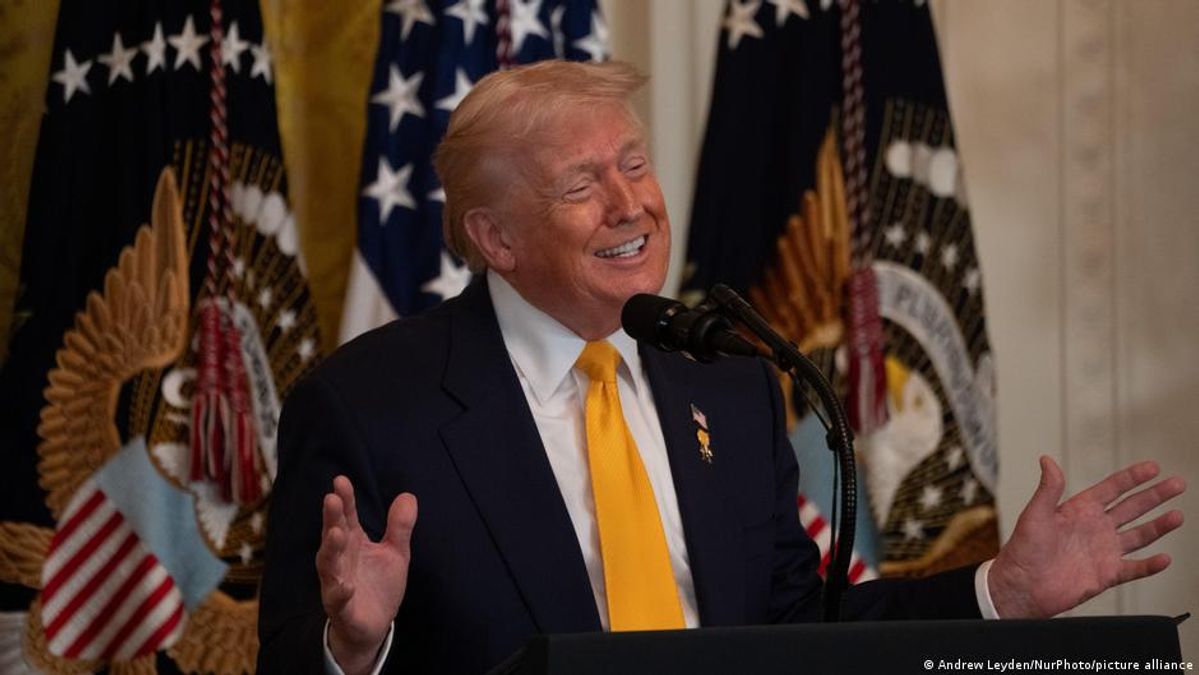
The United States Trade Representative (USTR) has announced a proposal for additional tariffs on imports from 60 countries, a significant move that could reshape global trade dynamics and intensify existing geopolitical rivalries. The proposed tariffs, ranging from 10% to 12.5%, are a direct response to a USTR investigation that concluded these economies have failed to adequately enforce prohibitions against goods produced with forced labor, thereby creating an "unlevel playing field" for American workers and businesses.
At its core, this initiative by the US President Donald Trump's administration appears to be driven by a multifaceted strategy. Economically, it aims to protect domestic industries and workers from what the USTR describes as unfair competition. Ambassador Jamieson Greer stated that American workers are "forced to compete globally on an unlevel playing field," a sentiment that resonates with a protectionist trade agenda. The ethical dimension, framed around combating forced labor, provides a moral justification for these trade barriers, aligning with growing international scrutiny over human rights in supply chains.
Crucially, the timing and mechanism of these proposed tariffs also suggest a strategic legal maneuver. The USTR's proposal, operating under US trade law, could potentially allow the administration to bypass a February Supreme Court ruling that deemed many of Trump's previous tariffs illegal. By framing these new tariffs around a specific trade violation—the failure to prohibit forced labor imports—the administration may be seeking a more robust legal foundation for its protectionist policies.
The proposed tariffs are categorized into two tiers. A 10% additional tariff is slated for imports from countries that, according to Washington's investigation, have some form of forced labor import prohibition or have made commitments, but are still deemed insufficient. This group includes significant trading partners and allies such as Canada, Mexico, Taiwan, Pakistan, the UK, and EU nations. The broader and more severe 12.5% tariff targets 45 other economies, including major global players like China, India, Japan, South Korea, Brazil, and Switzerland, which the USTR claims have failed to effectively impose and enforce such prohibitions altogether.
The USTR initiated 60 investigations into forced labor in March, culminating in this report released on a recent Wednesday. The proposal is currently open for public comment and review, with hearings scheduled for July 7, indicating that these tariffs are not yet in immediate effect but are moving through a formal process. This period allows affected nations and industries to voice concerns and potentially influence the final implementation.
This latest wave of proposed tariffs carries significant geopolitical and economic implications. Many of the targeted countries are key US trade partners, some of whom have been engaged in delicate negotiations to lower existing levies. For instance, the European Union recently approved a hard-fought trade deal with Washington to cap tariffs on most EU exports at 15%. The new proposal risks undermining such agreements and reigniting trade disputes with close allies.
The situation with India is particularly illustrative. A US delegation is currently in New Delhi to finalize a trade deal, following previous US tariffs on India, partly over its import of Russian oil, which had strained diplomatic ties. The new tariffs could derail these ongoing efforts to smooth relations and finalize a comprehensive trade agreement, despite recent high-level diplomatic engagements like Secretary of State Marco Rubio's visit in May.
For China, already a focal point of US trade policy and geopolitical rivalry, these tariffs add another layer of complexity. While President Trump recently visited China to discuss expanding market access for American goods, the new tariffs could exacerbate trade tensions and further entrench the economic competition between the two global powers. The USTR's focus on forced labor also aligns with broader US efforts to decouple supply chains from China and address human rights concerns in its manufacturing sector.
The implementation of these tariffs, if finalized, would introduce considerable uncertainty into global trade. It could prompt retaliatory measures from affected nations, leading to a broader escalation of trade wars. Businesses worldwide would face increased costs, supply chain disruptions, and the imperative to re-evaluate sourcing strategies to avoid goods from countries deemed non-compliant with US forced labor prohibitions. Consumers in the US might also face higher prices for imported goods.
Beyond the immediate economic impact, this move underscores a continued shift towards a more protectionist and ethically-driven US trade policy. It signals Washington's willingness to use trade as a tool to enforce its standards on human rights and labor practices globally, even at the risk of straining relationships with allies and intensifying competition with rivals. The coming weeks, particularly leading up to the July 7 hearings, will be critical in determining the final shape and impact of this significant US trade policy shift.
Source referenced: DW
This brief was synthesized by our Editorial Engine and reviewed by The Ground Narrative team.


