TRENDING

Sunday, 11 October 2026
----------------------
30 Rabi' Al-Thani 1448 AH
The US throws its support behind Bolivian President Rodrigo Paz as unrest grows, offering emergency aid and warning against attempts to topple his government. This move has significant strategic implications for the region, reflecting the US's efforts to counterbalance left-wing influence and promote economic reforms.
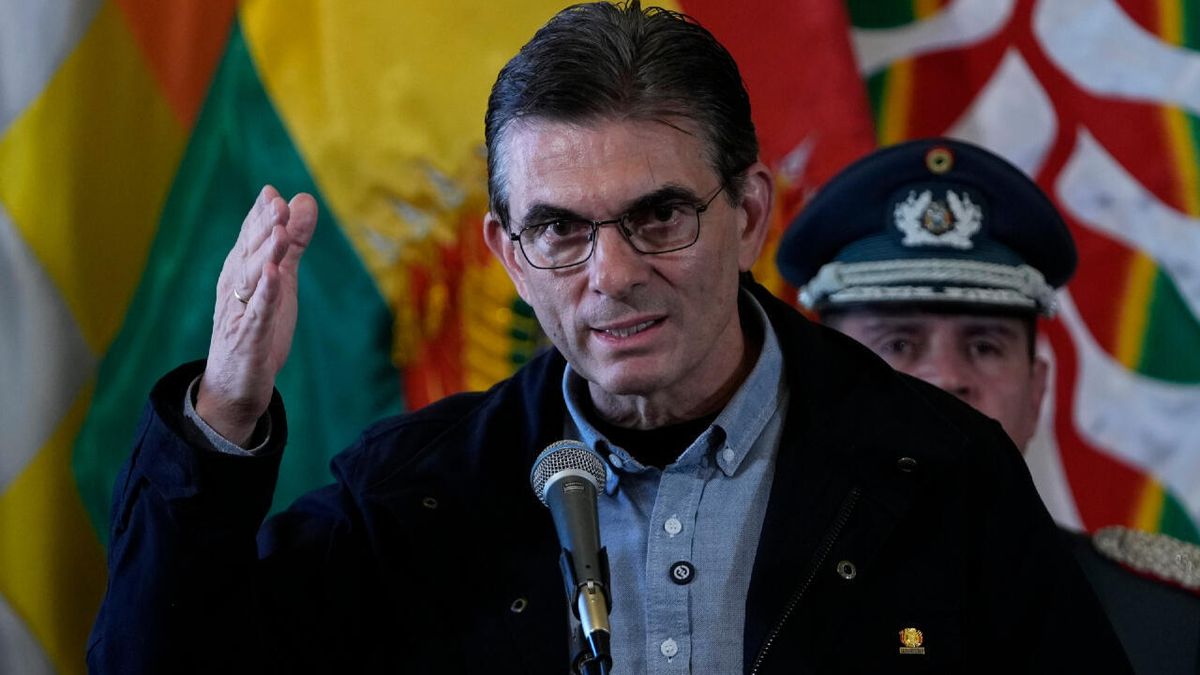
The recent decision by the US to throw its support behind Bolivian President Rodrigo Paz has significant implications for the region. On the surface, the move appears to be a straightforward expression of solidarity with a democratically elected government facing mounting protests and economic challenges. However, a closer examination of the situation reveals a more complex web of strategic motivations and regional implications.
President Paz's election in November 2025 marked a significant shift in Bolivia's political landscape, ending two decades of hard left rule. Paz, a pro-business conservative, has since moved to restore severed relations with the US and introduce sweeping economic reforms, including cutting fuel subsidies that ravaged public finances. These efforts have been met with fierce backlash from left-wing groups and indigenous communities, who see Paz's policies as a threat to their interests.
The US's decision to support Paz can be seen as part of a broader effort to counterbalance left-wing influence in the region. The US has long been concerned about the spread of socialism and communism in Latin America, and has historically supported right-wing governments and opposition groups as a means of promoting stability and economic growth. In the case of Bolivia, the US appears to be seeking to prevent a return to the hard left rule of the previous government, which was seen as a threat to US interests in the region.
The US's support for Paz has significant implications for the region, particularly in terms of its impact on regional stability and economic development. The move is likely to be seen as a challenge to the influence of left-wing governments in the region, including those in Venezuela, Cuba, and Nicaragua. It may also embolden right-wing groups and opposition movements in other countries, potentially leading to increased instability and conflict.
The consequences of the US's support for Paz are likely to be far-reaching, with significant implications for the region and beyond. The move may lead to increased tensions between the US and left-wing governments in the region, potentially escalating into conflict. It may also have a negative impact on regional economic development, as the US's support for Paz's economic reforms may be seen as a threat to the interests of left-wing groups and indigenous communities.
The US's support for Bolivia's President Rodrigo Paz is a complex and multifaceted issue, reflecting a range of strategic motivations and regional implications. While the move may be seen as a straightforward expression of solidarity with a democratically elected government, it is likely to have significant consequences for the region and beyond. As the situation continues to unfold, it will be essential to monitor the situation closely and assess the potential implications of the US's actions.
Source referenced: FRANCE24
This brief was synthesized by our Editorial Engine and reviewed by The Ground Narrative team.