TRENDING

Thursday, 12 November 2026
----------------------
2 Jumada Al-Thani 1448 AH
A senior US servicemember was detained in Gloucestershire on suspicion of passing classified data to Moscow, exposing fragile trust within NATO’s core. The case spotlights the covert costs shouldered by local families and the broader strain on US‑UK intelligence cooperation.
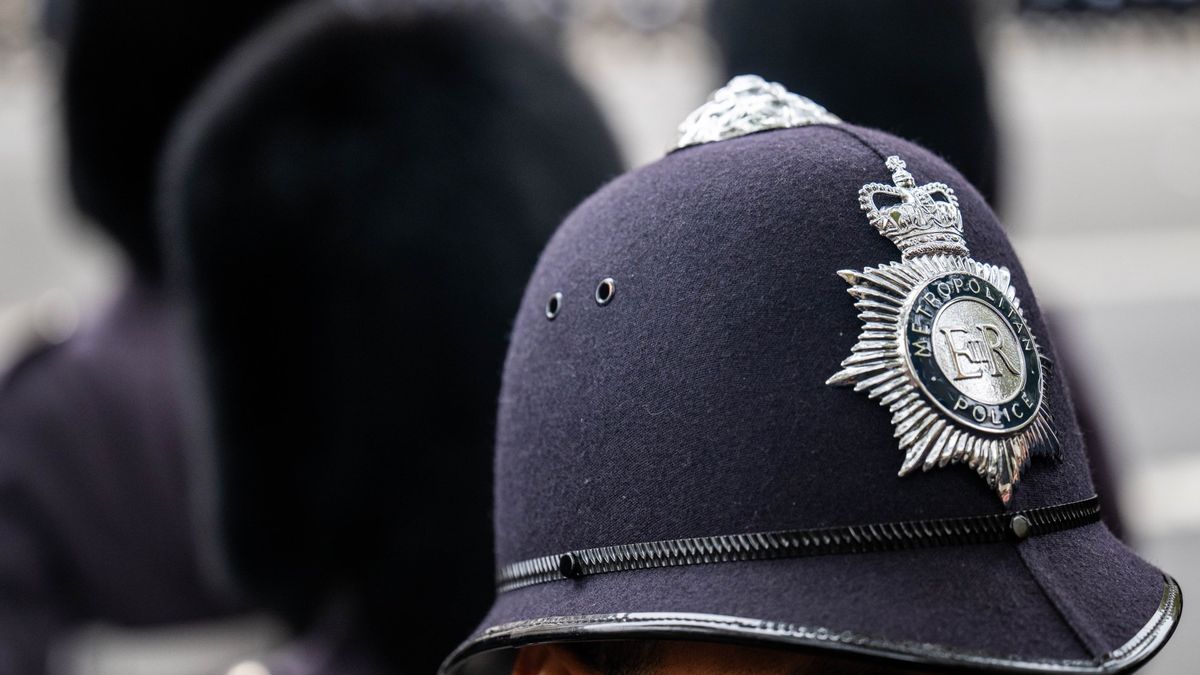
A 41‑year‑old United States serviceman stationed at Imjin Barracks in Gloucestershire was arrested on November 8, 2026 on suspicion of providing classified information to Russia. British police, acting under the National Security Act 2023, seized the suspect and conducted searches at two locations in the county. The arrest was announced by the Metropolitan Police and framed as the result of close cooperation between UK and US counter‑intelligence agencies.
The incident sits at the intersection of three enduring power structures. First, the United States‑Russia rivalry has migrated from overt battlefield confrontations to a shadow war of data, influence, and covert operations. Moscow’s intelligence services have long cultivated assets within Western militaries to offset conventional disadvantages, and the arrest underscores that strategy remains alive despite heightened sanctions and diplomatic isolation.
Second, the location of the alleged breach—Imjin Barracks, home to NATO’s Allied Rapid Reaction Corps—highlights how alliance architecture can become a double‑edged sword. The NATO framework binds member states together, but it also creates a single point of attraction for hostile intelligence services seeking to compromise joint planning, rapid deployment capabilities, and interoperability standards.
Third, the legal and institutional response reveals the symbiotic relationship between the United Kingdom and the United States on security matters. The UK’s counter‑terrorism police and the FBI jointly pursued the case, leveraging the 2023 act that allows detention without charge for up to 14 days. This cooperation serves both domestic political needs—showing a tough stance on foreign interference—and broader strategic goals of preserving the transatlantic intelligence pipeline.
Underlying these dynamics are incentives for individual actors. For a senior soldier, access to classified operational data translates into personal leverage, whether financial, ideological, or coercive. For Moscow, recruiting a high‑ranking insider offers a low‑cost, high‑value channel to monitor NATO drills and U.S. force posture in Europe.
The soldier’s own family now faces a sudden plunge into uncertainty. Military spouses often shoulder the emotional labor of deployments, and a sudden arrest can trigger loss of income, stigma, and legal battles that ripple through their daily lives. Children may experience school disruptions, social isolation, and the psychological weight of a parent labeled a traitor.
Gloucestershire’s civilian population, already accustomed to the presence of NATO personnel, now confronts heightened security sweeps and media attention. Residents near the barracks report increased police activity, road closures, and a lingering sense of unease that can affect local businesses reliant on the base’s economic footprint.
Within the United States military, the case fuels mistrust among peers. Insider‑threat investigations often lead to tighter access controls, which can impede operational efficiency and strain morale. Service members worry that their own loyalty may be questioned, creating a climate of suspicion that can erode unit cohesion.
For Ukraine, which depends on NATO logistics and intelligence, any compromise of rapid‑reaction planning threatens the reliability of support on the front lines. Even a single breach can force allies to reassess the security of shared data pipelines, potentially slowing aid deliveries.
Official statements from both London and Washington emphasize the rarity of a senior U.S. soldier being caught, yet they omit discussion of how many lower‑level assets may already be operating undetected. Historical patterns suggest that a single successful recruitment often precedes a cascade of additional contacts within the same institution.
Both governments have an incentive to downplay systemic vulnerabilities. In the UK, acknowledging a breach at a NATO hub could fuel criticism of the current defence minister’s security reforms. In the United States, admitting that a senior soldier could be compromised may undermine confidence in the Pentagon’s vetting processes, especially ahead of upcoming defence budget debates.
The narrative presented to the public focuses on the partnership triumph—"strength of UK‑US law‑enforcement"—while sidelining the potential policy failures that allowed the breach. By spotlighting the cooperation, officials divert attention from internal oversight gaps and shift the story toward a heroic, cross‑border effort.
Espionage cases rarely surface in isolation from financial incentives. While the public record does not reveal any monetary exchange, the broader context of Russian intelligence leveraging illicit finance networks to reward assets remains unaddressed. This omission obscures how sanctions evasion and cyber‑crime revenues may fund such operations.
Analysts should monitor several developments. First, the legal outcome of the arrest—whether charges are filed, and what sentencing guidelines are applied—will signal how aggressively the UK will pursue insider‑threat cases under the National Security Act. Second, NATO’s internal security reviews may lead to revised data‑handling protocols, especially for rapid‑reaction units, which could affect training schedules and joint exercises.
Third, diplomatic chatter between Washington and Moscow will reveal whether Moscow leverages the incident in broader negotiations, perhaps as a bargaining chip in arms‑control talks or sanctions relief discussions. Fourth, watch for any policy shifts within the United States Army Counterintelligence Command, such as expanded background checks or new reporting mechanisms for suspicious behavior.
Finally, the human dimension will become visible in community responses: local petitions for greater transparency, support groups for families of the accused, and media investigations into the everyday impact on Gloucestershire’s economy. These grassroots signals often presage larger political moves, offering early clues about how the power balance will adjust in the months ahead.
The suspect was stationed at Imjin Barracks in Gloucestershire, a NATO hub, and the alleged espionage activities took place on British soil, giving UK authorities jurisdiction under the National Security Act.
Both governments present the case as evidence of strong partnership, but it also exposes gaps in vetting and security protocols that may prompt tighter joint oversight and revised counter‑intelligence procedures.
Source referenced: ALJAZEERA
This brief was synthesized by our Editorial Engine and reviewed by The Ground Narrative team.


