TRENDING

Friday, 16 October 2026
----------------------
5 Jumada Al-Awwal 1448 AH
The United States has imposed sanctions on a senior Tanzanian police official, Faustine Jackson Mafwele, over credible allegations of torture and sexual assault against East African human rights activists. This action highlights growing international scrutiny of Tanzania's human rights record and democratic backsliding under President Samia Suluhu Hassan's administration.
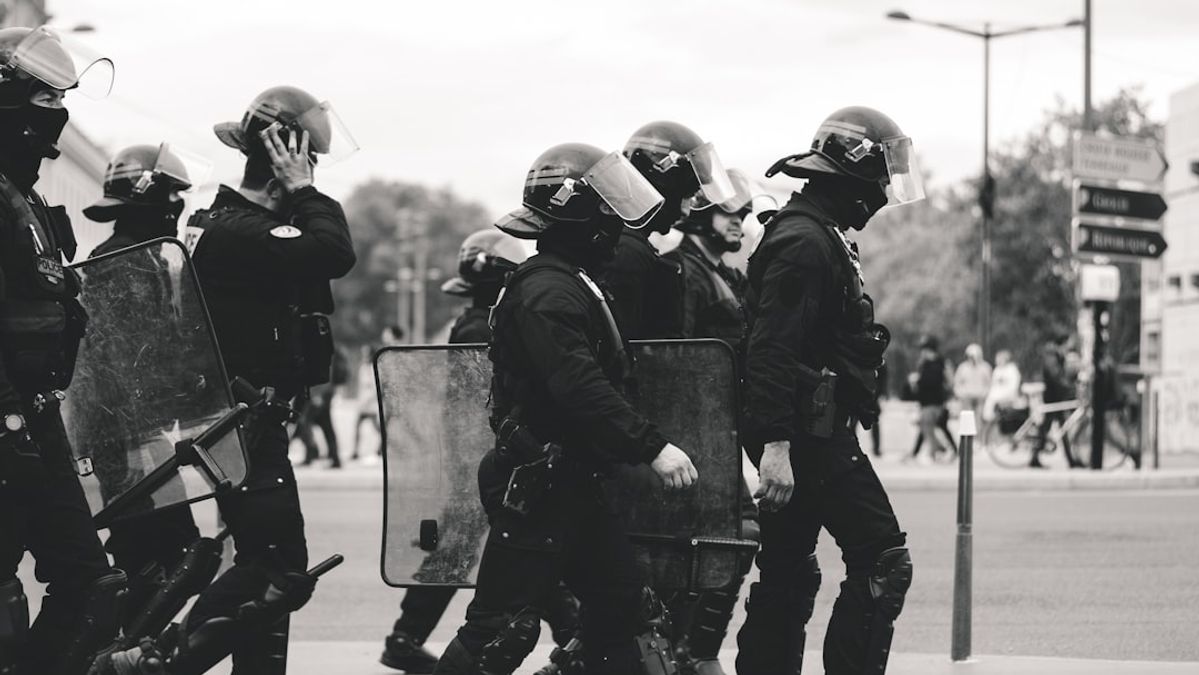
In a significant diplomatic move, the United States has sanctioned Faustine Jackson Mafwele, a senior assistant commissioner of police in Tanzania, over allegations of gross human rights violations. The US State Department, through Secretary Marco Rubio, announced the designation based on "credible information" linking Mafwele to the "torture and sexual assault" of two prominent East African human rights activists, Boniface Mwangi from Kenya and Agather Atuhaire from Uganda. This designation effectively bars Mafwele from entering the United States and marks the first time a senior official under President Samia Suluhu Hassan's administration has faced foreign sanctions.
The allegations stem from an incident in May of the previous year when Mwangi and Atuhaire traveled to Tanzania to observe the trial of opposition leader Tundu Lissu. They were subsequently detained, with Mwangi alleging he was stripped naked, hung upside down, beaten, and sexually assaulted. Atuhaire also reported being raped during her detention. While Tanzanian police initially dismissed these accounts as mere "opinions" and "hearsay," the US State Department's statement explicitly affirmed that members of the Tanzanian Police Force (TPF) had "detained, tortured, and sexually assaulted" the activists. Assistant Secretary of State for Democracy, Human Rights, and Labor Riley Barnes emphasized that the US is "taking action to promote accountability for this heinous act."
These sanctions are not an isolated incident but rather a reflection of escalating international concern regarding Tanzania's human rights situation and perceived democratic backsliding. The US action follows a period of increasing scrutiny, with US lawmakers previously calling for tougher measures against the East African nation. In December, Washington accused the Tanzanian government of repressing religious freedom and free speech, hindering US investment, and failing to prevent violence surrounding the general election held last October.
The political climate in Tanzania has become increasingly restrictive. President Samia Suluhu Hassan, who assumed office in 2021 after the death of President John Magufuli, was initially lauded for her efforts to ease political repression. However, the political space has since narrowed considerably. Human rights organizations, including Amnesty International and Human Rights Watch, have documented a broader crackdown on opposition figures, activists, and free expression. The case of Mwangi and Atuhaire was specifically cited in Human Rights Watch's annual report on Tanzania.
The disputed general election last October further exacerbated tensions. A commission of inquiry reported 518 deaths, including 197 from gunshot wounds, during widespread protests that followed the election. While the commission blamed "foreign-sponsored groups" for the violence, opposition parties and human rights groups contend that the death toll was higher and accuse security forces of using lethal force against unarmed protesters. President Hassan, who won the election with 98% of the vote in a poll described by the opposition as a "mockery" of democracy, has maintained the election was fair and transparent, attributing the violence to foreign plots to overthrow her government.
The US sanctions against Mafwele carry significant geopolitical weight. They signal a clear message from Washington that human rights abuses, particularly those involving torture and sexual assault, will not be overlooked, even in countries with which the US seeks security and development cooperation. For Tanzania, this move could strain diplomatic relations with a key international partner and potentially pave the way for further sanctions or a re-evaluation of aid and investment. The Tanzanian government, which has yet to formally acknowledge the designation, faces a critical juncture in how it addresses these international pressures and its domestic human rights record.
Moreover, the incident has regional implications. The fact that the victims are activists from Kenya and Uganda underscores the cross-border nature of human rights advocacy and the potential for such abuses to impact regional stability and diplomatic ties among East African nations. The US action could embolden human rights defenders across the continent or, conversely, lead to further entrenchment of authoritarian tendencies if the Tanzanian government chooses to defy international condemnation.
Ultimately, the sanctions against Faustine Jackson Mafwele represent a tangible step by the US to promote accountability for alleged human rights violations in Tanzania. The long-term consequences will depend on Tanzania's response, its commitment to addressing the documented abuses, and the broader trajectory of its democratic governance. The international community will be closely watching to see if this diplomatic pressure leads to meaningful reforms or further isolation for the East African nation.
Source referenced: BBC
This brief was synthesized by our Editorial Engine and reviewed by The Ground Narrative team.