TRENDING

Saturday, 24 October 2026
----------------------
13 Jumada Al-Awwal 1448 AH
The deadline for the US naval blockade on Iranian ports has passed, marking a significant escalation in tensions between the two nations. This development has far-reaching implications for regional stability, global energy markets, and the ongoing nuclear negotiations.
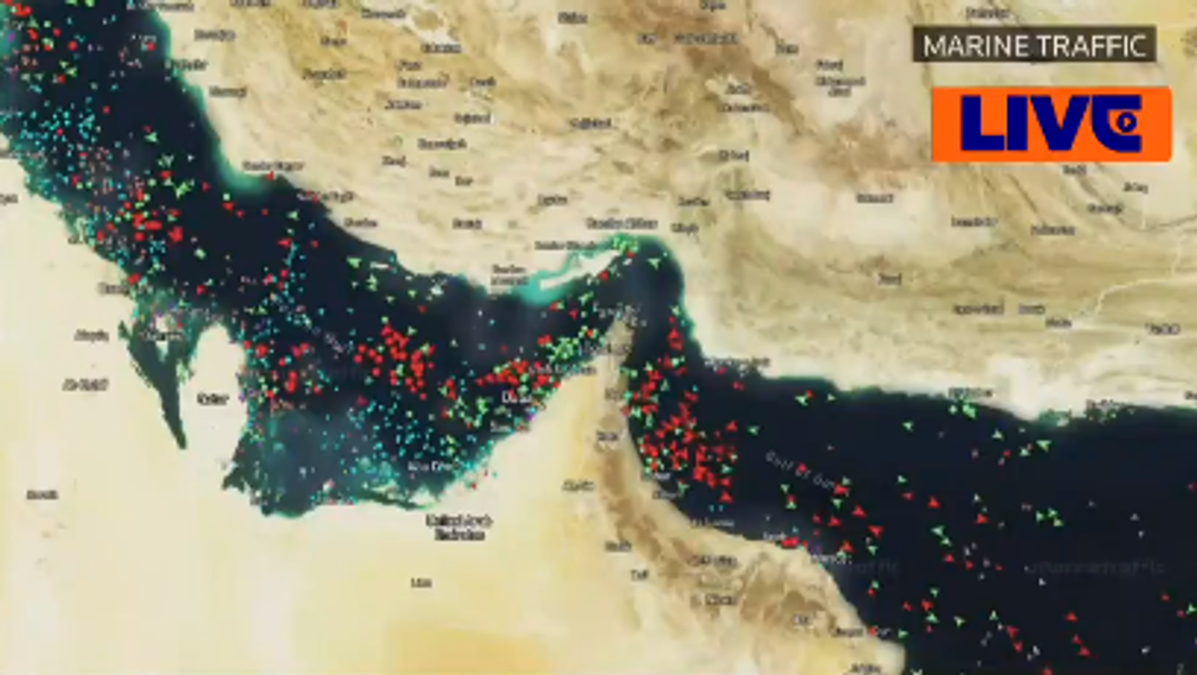
The US naval blockade on Iranian ports, announced by President Donald Trump, marks a significant escalation in tensions between the two nations. The blockade, which began on April 14, 2026, at 1400 GMT, aims to restrict Iran's access to international shipping lanes and disrupt its economy.
The US has long been critical of Iran's nuclear program and its regional influence. The blockade is a response to Iran's continued development of its nuclear capabilities, which the US sees as a threat to regional stability. The US also aims to pressure Iran to renegotiate the 2015 Joint Comprehensive Plan of Action (JCPOA), which placed restrictions on Iran's nuclear program in exchange for relief from economic sanctions.
The US and Iran have a complex and often contentious relationship. The two nations have been at odds over issues such as Iran's nuclear program, its support for militant groups in the region, and its human rights record. The US has imposed various sanctions on Iran over the years, including economic sanctions and travel bans.
The blockade has significant implications for regional stability. Iran is a major player in the Middle East, and its economy is heavily reliant on oil exports. The blockade will disrupt Iran's access to international shipping lanes, making it difficult for the country to export its oil. This will have a ripple effect on global energy markets, leading to increased prices and potential shortages.
The blockade will also have significant consequences for the ongoing nuclear negotiations between Iran and the P5+1 (the US, UK, France, Germany, China, and Russia). The negotiations, which aim to reach a new agreement on Iran's nuclear program, have been stalled for months. The blockade will likely make it more difficult for Iran to negotiate a new agreement, as the country will be under significant economic pressure.
Editor's Note: The analysis is based on publicly available information and may not reflect the full range of perspectives on the issue.
Source referenced: CGTN
This brief was synthesized by our Editorial Engine and reviewed by The Ground Narrative team.


