TRENDING

Tuesday, 20 October 2026
----------------------
9 Jumada Al-Awwal 1448 AH
The US Equal Employment Opportunity Commission (EEOC) has proposed ending a decades-old requirement for employers to submit annual data on racial and gender workforce breakdowns, sparking concerns about the impact on anti-discrimination enforcement.
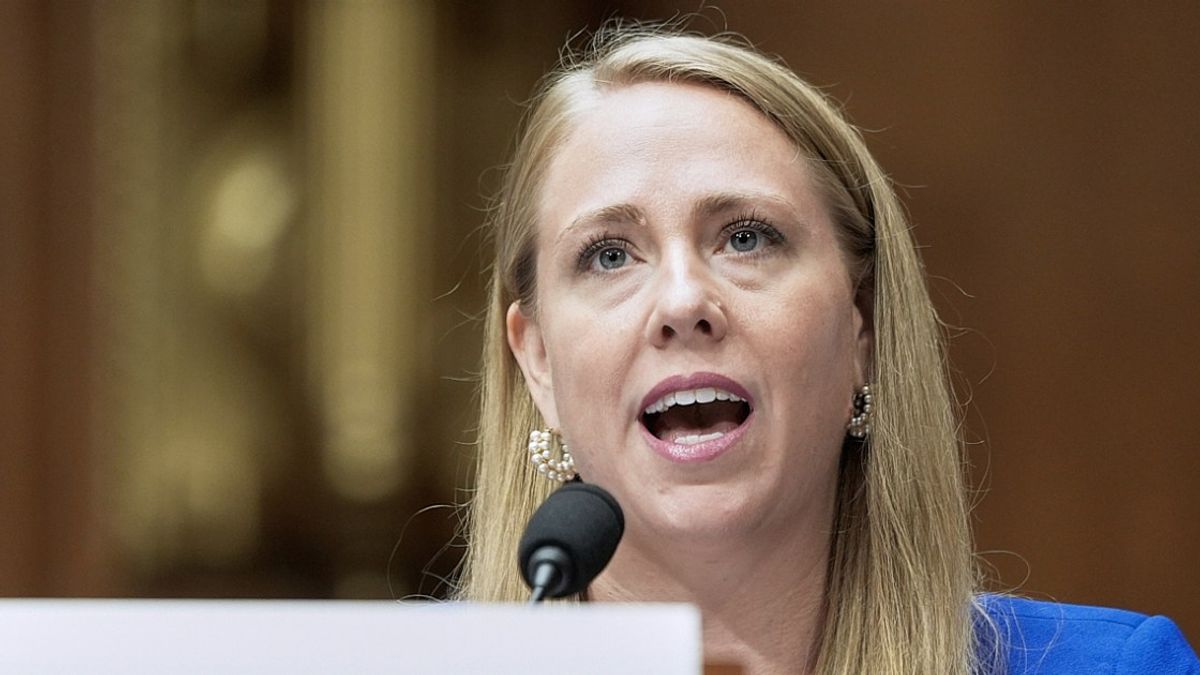
The US Equal Employment Opportunity Commission (EEOC) has proposed ending a decades-old requirement for employers to submit annual data on racial and gender workforce breakdowns. This proposal, advanced by the Republican majority in a 2-1 vote, will now move to a 30-day public comment period before final approval. The EEOC has required companies with at least 100 employees or federal contractors with at least 50 workers to submit this data for the last 60 years.
The EEOC argues that the requirement is no longer needed, citing the expense it imposes on employers (estimated at almost $275m) and its inconsistency with Title VII of the Civil Rights Act. Chair Andrea Lucas claims that collecting such data absent a specific allegation "risks hindering effective enforcement" and raises constitutional concerns. This proposal is part of Project 2025, a right-wing think tank's wish list for US President Donald Trump's policies.
Ending the enforcement measure could have significant implications for anti-discrimination enforcement in the US. Critics argue that the proposal is based on unsupported speculation and would hinder the EEOC's ability to identify patterns of systemic discrimination. The EEOC collects aggregate data of demographics rather than specific identification of workers, which is designed to help the federal government understand employment patterns and trends.
The EEOC's proposal is part of a broader trend of rolling back anti-discrimination measures in the US. This move could be seen as a step back for the country's commitment to promoting diversity and inclusion in the workplace. Internationally, this development may be viewed as a regression in the US's efforts to promote human rights and social justice.
Editor's Note: The proposal's impact on anti-discrimination enforcement is uncertain, as critics argue that it would hinder the EEOC's ability to identify patterns of systemic discrimination.
Source referenced: ALJAZEERA
This brief was synthesized by our Editorial Engine and reviewed by The Ground Narrative team.