TRENDING

Saturday, 17 October 2026
----------------------
6 Jumada Al-Awwal 1448 AH
The current state of global politics is reminiscent of several pivotal historical periods, but which era offers the most relevant lessons for today's challenges?
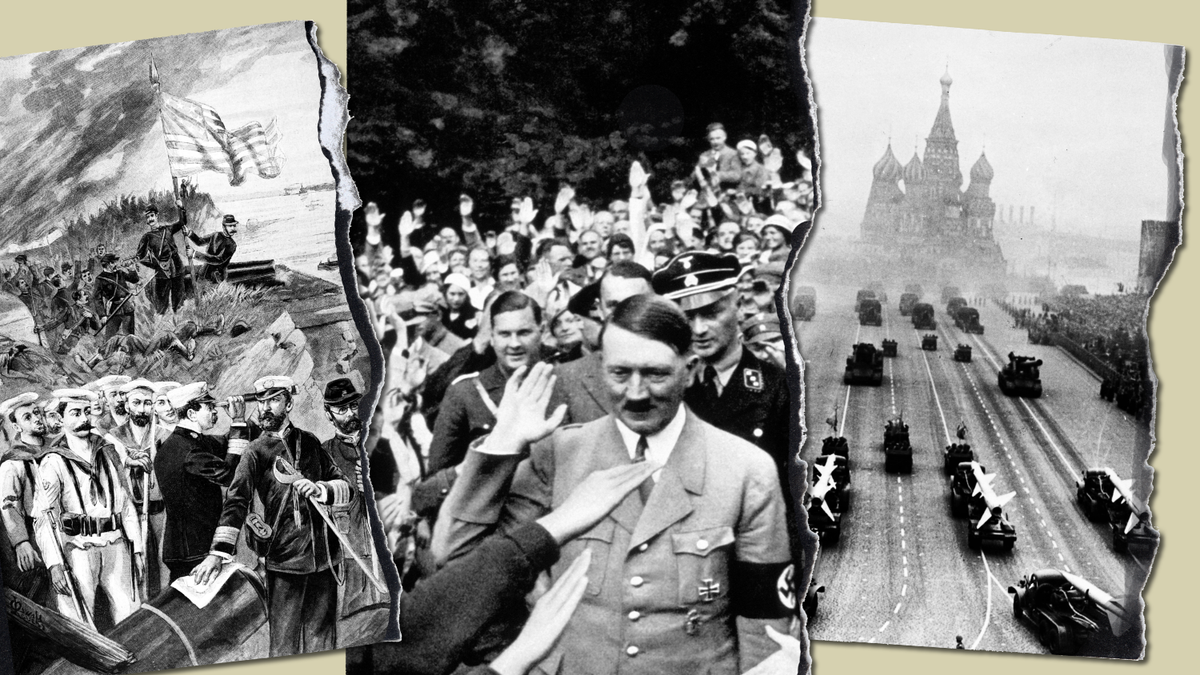
The current state of global politics is marked by deep-seated concerns about international stability and the future of the global order. The rise of right-wing populism, nationalism, protectionism, and heightened geopolitical contestation has led to a debate about which historical era might best help us understand and navigate the current upheaval.
The late 1800s saw a strong nationalist and protectionist response to a longer period of globalization, deregulation, and free trade. This parallels the current populist right's leverage of a growing sense among Western electorates that economic liberalism and globalization have left people powerless. However, the late 1800s differs from the present in fundamental ways. The balance of power today is bipolar, defined by the rivalry between the United States and China, whereas the late 1800s was characterized by a multipolar world.
The 1930s are often invoked as a historical parallel, with some warning that Trump behaves like a 1930s fascist dictator or that his administration is on a protofascist course. Others argue that Trump's love of tariffs echoes the U.S. response to the 1929 financial crash, which helped propel the world into an economic tailspin. However, the interwar years differ significantly from the present. The international power structure remained multipolar, and the origin of the political and economic convulsions of the 1930s was largely an aftershock of World War I.
The era that most foreshadows the present is the U.S.-Soviet Cold War rivalry. Then and now, the power structure is bipolar, with the United States and China as the dominant powers. However, unlike the Cold War, the shift to U.S.-China rivalry has been incremental, with China rising gradually and peacefully over several decades. This has led to a delay in comprehension of the consequences of this fundamental shift.
There are four major differences that set the Cold War apart from the present:
* Geography: Beijing's geographic and military reach is substantially smaller than Moscow's was during the Cold War.
* Theater of Conflict: The Cold War spanned multiple theaters, while today's rivalry is largely contained in a single geographic theater: the Western Pacific.
* Proxy Wars: The Cold War resulted in a number of proxy wars, whereas today's rivalry is largely contained.
* Rise of China: China's rise has been gradual and peaceful, unlike the Soviet Union's emergence from the ashes of World War II.
The current state of global politics is complex and multifaceted, with lessons to be learned from various historical eras. While the 1890s, 1930s, and Cold War offer valuable insights, they also highlight the unique challenges and differences of the present. As we navigate the complexities of the 21st century, it is essential to understand the historical context and the key differences that set the present apart from the past.
Editor's Note: The analysis is based on historical context and the current state of global politics, but the future is inherently uncertain, and the consequences of the current trends are difficult to predict with certainty.
Source referenced: FOREIGNPOLICY
This brief was synthesized by our Editorial Engine and reviewed by The Ground Narrative team.