TRENDING

Saturday, 24 October 2026
----------------------
13 Jumada Al-Awwal 1448 AH
Ukrainian drone attacks have escalated significantly, targeting critical Russian oil refineries deep within its territory and strategic infrastructure in annexed Crimea, leading to fuel shortages and logistical disruptions. These strikes underscore Ukraine's strategy to degrade Russia's war-fighting capabilities and exert economic and psychological pressure.
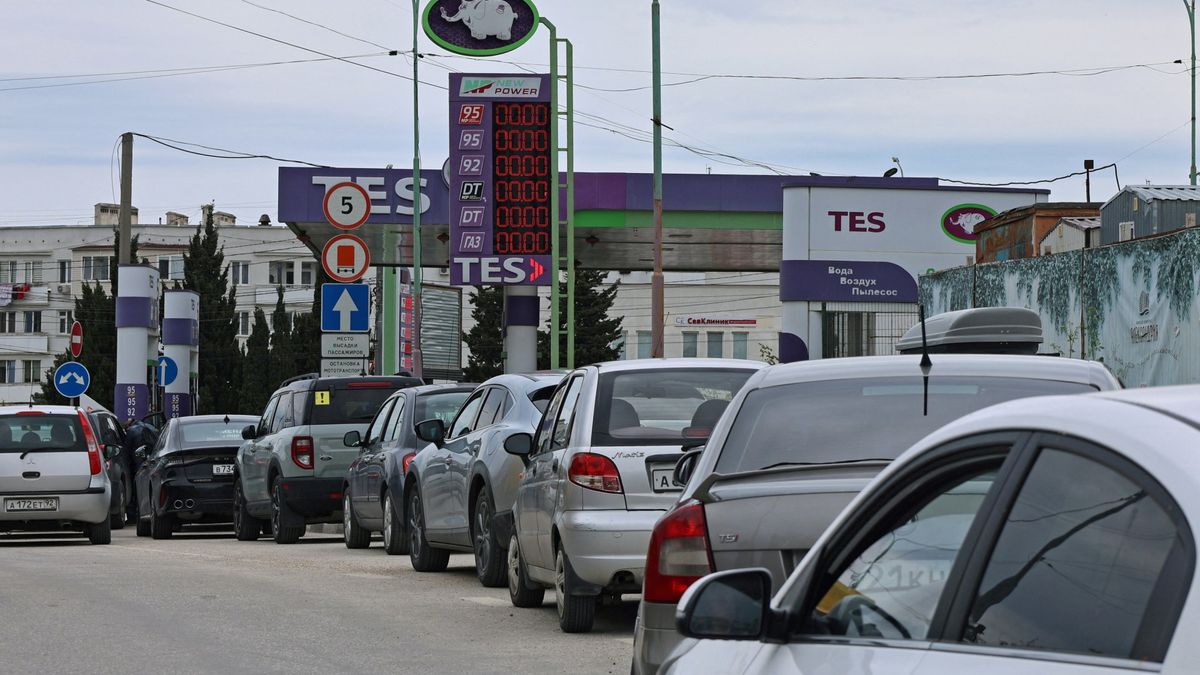
Recent days have witnessed a significant escalation in Ukraine's drone campaign, with widespread attacks targeting critical Russian energy infrastructure and strategic logistical hubs in Russian-annexed Crimea. These coordinated strikes, reported on June 10, 2026, represent a concerted effort by Kyiv to degrade Moscow's military and economic capacity, extending the direct impact of the conflict deeper into Russian territory and challenging its defensive capabilities.
The attacks spanned multiple regions, from the Black Sea peninsula of Crimea to industrial heartlands deep within Russia. In Crimea, Ukrainian drones struck a historic museum in Sevastopol, igniting a roof fire, and separately targeted a passenger train, resulting in the death of an assistant locomotive driver and injuries to the driver. These incidents prompted Russian authorities to restrict nighttime train schedules and impose severe fuel rationing across the peninsula, suspending commercial gasoline sales to civilians and reserving supplies for emergency services or state-issued vouchers. This disruption highlights Crimea's vulnerability as a key logistical artery for Russian forces operating in southern Ukraine.
Simultaneously, a wave of drone assaults targeted Russian oil refineries and industrial facilities. In the Samara oil hub region, specifically Novokuibyshevsk, a Rosneft refinery was reportedly set ablaze after at least 29 drones attacked. Further incidents included a fire at a fuel tank in Russia's Rostov region, triggered by falling drone debris, and blazes at two industrial facilities in the central Vladimir region. The Russian Defence Ministry claimed to have destroyed 326 Ukrainian drones overnight across Russia, including more than a dozen heading towards Moscow, yet the successful strikes underscore persistent vulnerabilities in Russian air defense systems. Notably, rare air raid alerts were also issued in remote oil-producing regions such as Khanty-Mansiysk, Perm, and Tyumen, as well as industrial Ural mountain regions like Chelyabinsk and Sverdlovsk, signaling a widening geographical scope of the conflict's direct impact on Russian territory.
Ukraine's intensified drone campaign serves multiple strategic objectives. Economically, targeting oil refineries aims to cripple Russia's energy sector, a primary source of revenue that underpins its war economy. By disrupting refining capacity, Ukraine seeks to reduce Russia's ability to produce refined petroleum products essential for its military and domestic consumption, potentially impacting global energy markets indirectly. Logistically, the strikes on Crimean infrastructure, particularly the train network and the resulting fuel shortages, are designed to impede the flow of military supplies and personnel to the annexed peninsula, which serves as a crucial staging ground and naval base for Russia's Black Sea Fleet. Disrupting these supply lines directly impacts Russia's ability to sustain its forces in occupied Ukrainian territories.
Psychologically, these attacks aim to sow domestic unease within Russia and demonstrate Ukraine's capacity to strike deep within its adversary's territory. The targeting of the Panorama 'Defense of Sevastopol 1854-1855' museum, a symbol of Russian resilience and historical memory, carries significant symbolic weight, prompting Russian-installed governor Mikhail Razvozhayev to declare, “The enemy will pay for this sacrilege!” Such strikes challenge the Kremlin's narrative of control and security, potentially eroding public confidence and increasing pressure on the Russian leadership. The rare air raid alerts in distant, previously untouched regions further amplify this psychological impact, bringing the reality of the conflict closer to ordinary Russian citizens.
Russia's response has been characterized by claims of extensive drone interceptions, alongside strong condemnations of the attacks. The Kremlin's statement, following the train incident, that Ukraine was undermining peaceful resolution efforts, highlights the ongoing diplomatic stalemate. This rhetoric comes shortly after Ukrainian President Volodymyr Zelenskyy's proposal for face-to-face talks with President Putin was rejected, underscoring the deep chasm between the two nations and the current reliance on military rather than diplomatic solutions. The attacks, therefore, occur within a broader context of a protracted conflict where both sides appear committed to achieving objectives through military means.
The escalating drone warfare signals a new phase in the conflict, where Ukraine, leveraging asymmetric capabilities, continues to expand the geographical reach of its operations. This strategy aims to impose significant economic and logistical costs on Russia, forcing it to divert resources to air defense and infrastructure repair, thereby potentially impacting its offensive capabilities on the front lines. The widening scope of attacks within Russia also raises questions about the long-term domestic implications for the Kremlin and the potential for further retaliatory actions against Ukrainian cities and infrastructure. As the conflict evolves, the strategic targeting of energy and logistics will likely remain a critical component of Ukraine's efforts to regain territorial integrity and pressure Russia into a more favorable negotiating position.
Source referenced: ALJAZEERA
This brief was synthesized by our Editorial Engine and reviewed by The Ground Narrative team.


