TRENDING

Friday, 16 October 2026
----------------------
5 Jumada Al-Awwal 1448 AH
US President Donald Trump's bid to separate Lebanon talks from war on Iran negotiations may be a strategic move to maintain leverage, but it risks destabilizing the region and undermining a potential deal with Iran.
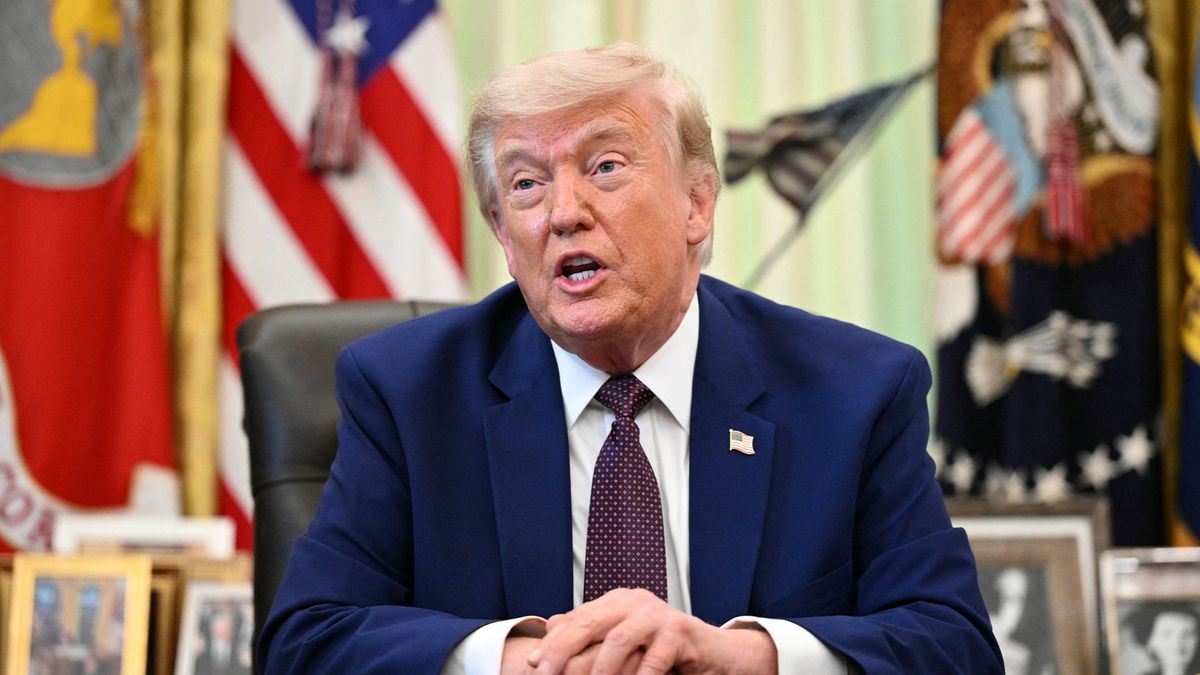
US President Donald Trump's recent statement seeking to split Lebanon talks from war on Iran negotiations has sent shockwaves through the Middle East. On the surface, this move appears to be a calculated risk aimed at maintaining leverage in the region. However, a closer examination of the situation reveals a complex web of strategic motivations, historical context, and regional implications that could have far-reaching consequences.
The driving force behind Trump's move is the US's desire to maintain its influence in the region. The US has long been a key player in Middle Eastern politics, and its relationships with countries like Israel and Iran are crucial to its regional strategy. By separating the Lebanon talks from the war on Iran negotiations, Trump may be attempting to create a bargaining chip to use in future negotiations with Iran.
The conflict in Lebanon is a longstanding issue that has its roots in the country's complex sectarian dynamics. The current crisis has been exacerbated by the ongoing war between the US and Iran, which has seen both sides engage in a series of proxy wars across the region. By separating the Lebanon talks from the war on Iran negotiations, Trump may be attempting to create a separate track for resolving the Lebanon conflict, which could potentially lead to a more stable and peaceful resolution.
However, this move also risks destabilizing the region further. The war on Iran has already led to a significant escalation of tensions between the US and Iran, and the separation of the Lebanon talks from the war on Iran negotiations could create a power vacuum that could be exploited by other regional actors.
The outcome of this initiative has significant implications for regional stability and global security. If Trump's move is successful, it could lead to a more stable and peaceful resolution of the Lebanon conflict, which would be a major breakthrough in the region. However, if the move fails, it could lead to further destabilization of the region and potentially even a wider conflict between the US and Iran.
The Lebanon talks are currently stalled, and it remains to be seen whether Trump's move will be successful in separating the talks from the war on Iran negotiations. The situation is fluid, and developments are likely to unfold rapidly in the coming weeks and months.
The impact of Trump's move on the region will depend on a range of factors, including the success of the Lebanon talks and the outcome of the war on Iran negotiations. If the move is successful, it could lead to a more stable and peaceful resolution of the Lebanon conflict, which would be a major breakthrough in the region. However, if the move fails, it could lead to further destabilization of the region and potentially even a wider conflict between the US and Iran.
Trump's move is a calculated risk because it attempts to separate the Lebanon talks from the war on Iran negotiations, which could potentially lead to a more stable and peaceful resolution of the Lebanon conflict. However, this move also risks destabilizing the region further and potentially even leading to a wider conflict between the US and Iran.
The future consequences of Trump's move are uncertain and will depend on a range of factors, including the success of the Lebanon talks and the outcome of the war on Iran negotiations. However, one thing is clear: the outcome of this initiative will have significant implications for regional stability and global security.
Source referenced: ALJAZEERA
This brief was synthesized by our Editorial Engine and reviewed by The Ground Narrative team.