TRENDING

Wednesday, 7 October 2026
----------------------
26 Rabi' Al-Thani 1448 AH
Eleven more migrants deported by the Trump administration under a policy of sending them to third countries arrived in Eswatini from the United States, sparking concerns over human rights and regional implications.
The arrival of eleven more migrants deported by the Trump administration in Eswatini from the United States has raised significant concerns over human rights and regional implications. This development brings the total number of deportees sent to the southern African country to 29 under a $5.1 million agreement.
The Trump administration's policy of deporting migrants to third countries, including Eswatini, has been a subject of controversy. Critics argue that this policy is a form of 'outsourcing' deportation, where the United States shifts its responsibility to other countries without ensuring that they have the capacity to provide adequate care and protection to the deportees.
The Trump administration's decision to deport migrants to Eswatini can be seen as a strategic move to circumvent domestic opposition to its immigration policies. By sending deportees to a third country, the administration can avoid the controversy and criticism that would have arisen if they were to be deported to their countries of origin or to other countries with more robust human rights records.
The arrival of these deportees in Eswatini has significant regional implications. Eswatini, a small and impoverished country, is struggling to cope with the influx of deportees. The country's prison system is already overcrowded, and the arrival of more deportees will put additional pressure on the system.
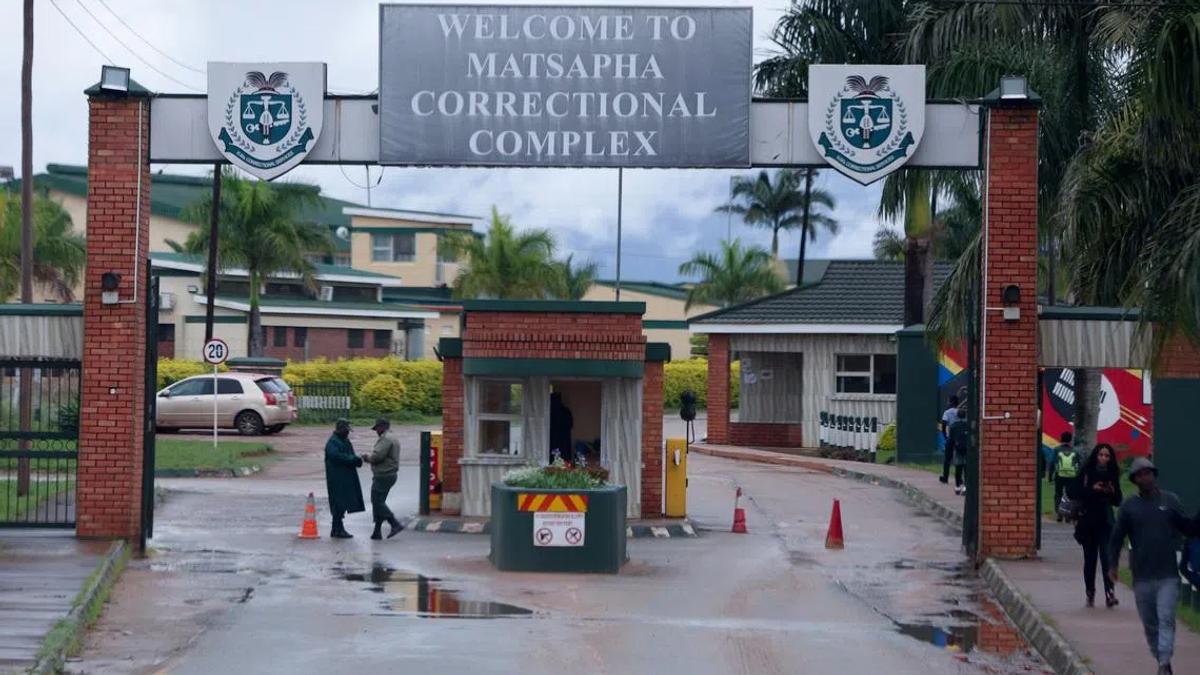
The detention of these deportees in Eswatini's notorious Matsapha correctional facility raises serious human rights concerns. The facility has a reputation for poor conditions, and the detainees have already been transported there, despite having served their sentences in the United States.
The future consequences of this policy are uncertain, but it is likely to have far-reaching implications for regional relations and human rights. The international community will be watching closely to see how Eswatini handles the situation and whether the Trump administration's policy is challenged in the courts.
Editor's Note: The analysis is based on available information and may be subject to change as more information becomes available.
Source referenced: STRAITSTIMES
This brief was synthesized by our Editorial Engine and reviewed by The Ground Narrative team.