TRENDING

Monday, 5 October 2026
----------------------
24 Rabi' Al-Thani 1448 AH
As NATO leaders meet in Ankara, Turkey, they must confront the reality of climate change's impact on the alliance's plans, from extreme heat events to infrastructure damage.
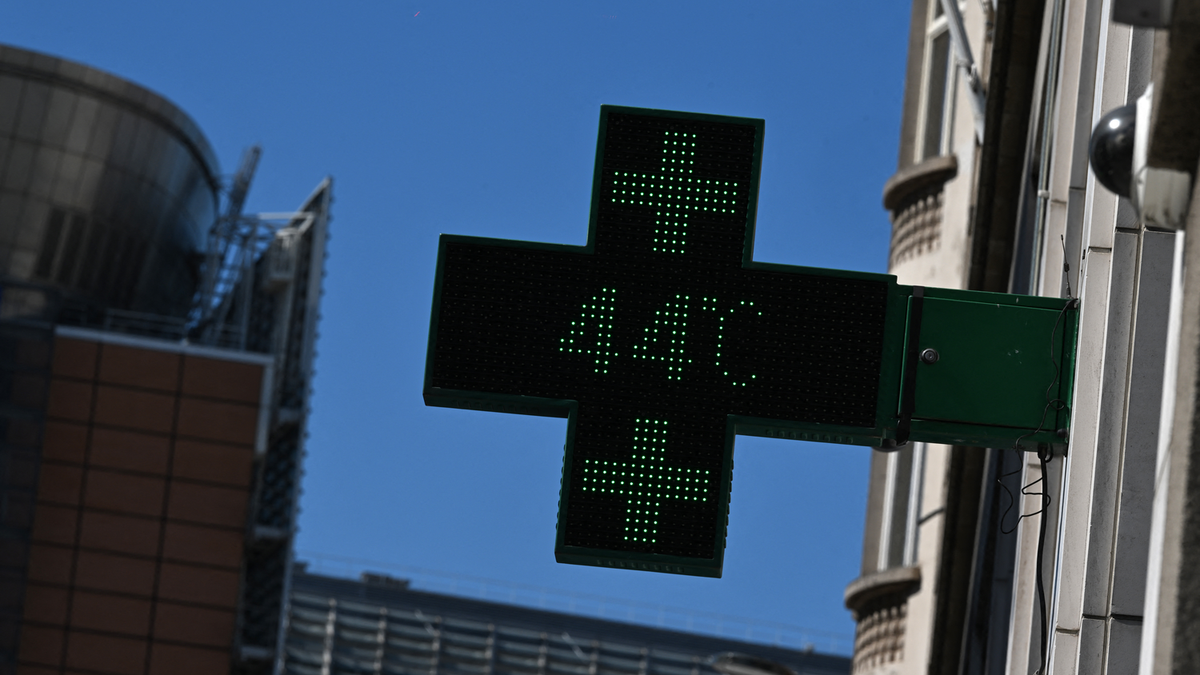
NATO's traditional focus on military threats is shifting as the alliance confronts the reality of climate change's impact on its plans. The recent record temperatures across Europe have highlighted the need for NATO members to invest in protecting the food, water, transportation, energy, and health systems in the societies in which militaries operate.
The extreme heat events are not only affecting the military but also civilians. France experienced its hottest day on record, 44.3 degrees Celsius, resulting in at least 40 deaths and widespread disruptions. The World Health Organization estimated over 1,300 excess deaths across the continent since June 21, with preliminary counts expected to climb. In comparison, just 6,700 people died globally from terrorist attacks in 2022.
The heat is not only affecting people but also critical infrastructure. Runways, rails, and repair facilities are buckling and melting, making it harder and more exhausting to maintain. Britain's Royal Air Force had to reroute planes to different runways in 2022 due to the heat. Hot air is also thinner, requiring aircraft to carry less, take off over longer distances, and climb less easily.
The planning horizon is shifting quickly, with parts of some high-heat theaters expected to see 120 days a year above 45 degrees Celsius by 2050. Members must invest in what is called stability multipliers—the food, water, and energy systems that hold societies together under stress. Shocks brought on by extreme heat in low-income and climate-vulnerable countries can fuel instability, conflict, and displacement, with downstream effects on European security through migration pressures, disrupted supply chains, and increased demand for military and humanitarian engagement.
Building more regular mechanisms to convene resilience planners alongside energy and extreme weather experts and food security specialists can help NATO members plan for these risks and support more coherent use of resilience funding by linking military preparedness, civilian infrastructure protection, and food system stability. NATO must update its baseline resilience requirements to reflect these risks and help member states target resilience spending at them.
The newest NATO members, Finland and Sweden, are leaders in this approach and can provide a model for developing the resilience framework for the broader alliance. Sweden's 2024 National Security Strategy emphasizes the importance of maintaining Swedish food production for national resilience, as well as the role extreme weather can play in diminishing domestic agriculture. Finland shows what this looks like in practice, with its National Emergency Supply Agency requiring six months but maintaining reserves of roughly nine months of grain and obligating private companies to hold their own stocks of critical materials.
The Defense, Security, and Resilience Bank (DSRB), championed by Canada, aims to invest in innovations in defense and security and should ensure the investments it supports in defense tech consider resilience to extreme weather. The bank also plans to focus on supply chain resilience, another area in which integrating updated data and analytics on extreme weather trajectories would pay dividends for NATO member states.
NATO's new enemy is not a traditional military threat but the thermometer. The alliance must adapt to the changing threat landscape and invest in protecting the food, water, transportation, energy, and health systems in the societies in which militaries operate. The strategic implications of climate change are far-reaching, and NATO must take a whole-of-society approach to address these risks.
Editor's Note: The analysis is based on publicly available information and expert opinions, but the long-term implications of climate change on NATO's plans are uncertain.
Source referenced: FOREIGNPOLICY
This brief was synthesized by our Editorial Engine and reviewed by The Ground Narrative team.


