TRENDING

Monday, 5 October 2026
----------------------
24 Rabi' Al-Thani 1448 AH
US President Donald Trump's comments at the NATO summit have effectively ended the US-Iran cease-fire, with renewed strikes and escalating tensions threatening regional stability.
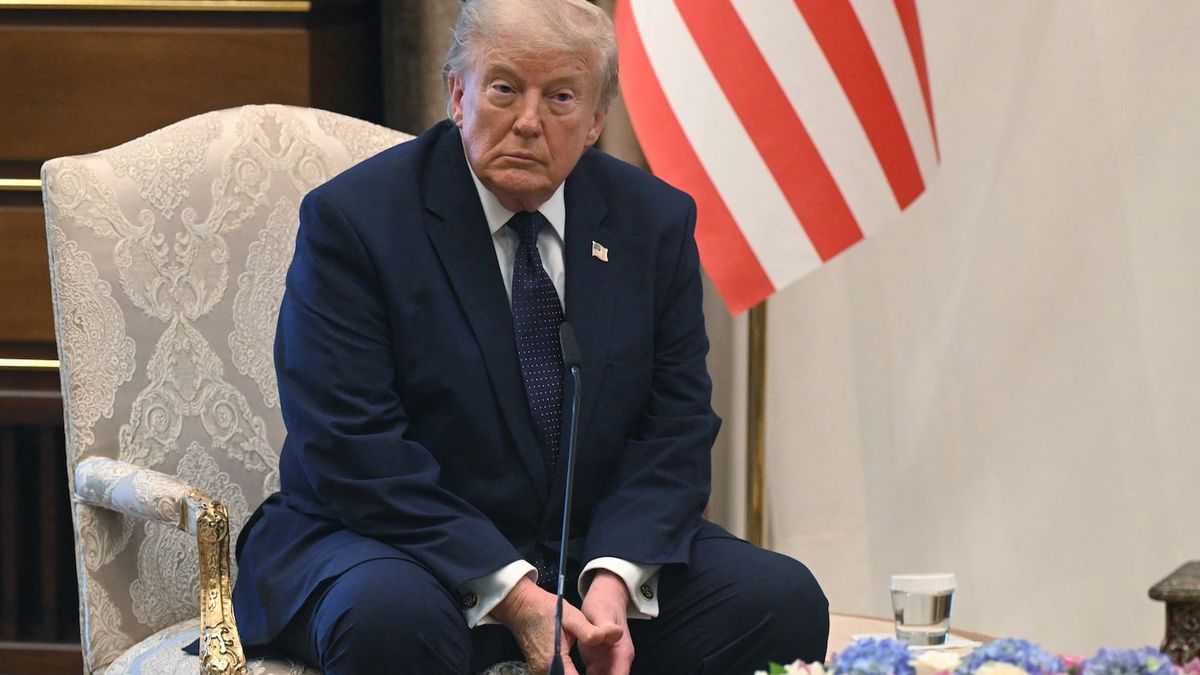
The US-Iran cease-fire, which was signed just 21 days ago, appears to be effectively dead. US President Donald Trump's comments at the NATO summit have sparked renewed tensions between the two nations, with the US launching over 80 strikes on Iranian air defense systems, command and control centers, and anti-ship missile capabilities.
The collapse of the cease-fire has significant implications for regional stability and global security. The Strait of Hormuz, which is a critical waterway for global oil trade, is now at risk of being closed, which could have catastrophic consequences for the global economy. The US-Iran conflict has also raised concerns about the potential for a wider regional war, which could draw in other nations, including Saudi Arabia and Iran's allies in the region.
The US-Iran conflict has a long and complex history, dating back to the 1979 Iranian Revolution. The US has imposed economic sanctions on Iran since 1979, and the two nations have been at odds over a range of issues, including nuclear proliferation and regional security. The current conflict is the latest chapter in this long-standing rivalry.
The collapse of the cease-fire has significant implications for the region. The US-Iran conflict has already led to a spike in oil prices, and a wider regional war could have devastating consequences for the global economy. The conflict has also raised concerns about the potential for a wider regional war, which could draw in other nations, including Saudi Arabia and Iran's allies in the region.
The future consequences of the collapse of the cease-fire are uncertain, but they are likely to be significant. The US-Iran conflict has already led to a spike in oil prices, and a wider regional war could have devastating consequences for the global economy. The conflict has also raised concerns about the potential for a wider regional war, which could draw in other nations, including Saudi Arabia and Iran's allies in the region.
Editor's Note: The analysis is based on publicly available information and may not reflect the full range of perspectives on the issue.
Source referenced: FOREIGNPOLICY
This brief was synthesized by our Editorial Engine and reviewed by The Ground Narrative team.


