TRENDING

Wednesday, 7 October 2026
----------------------
26 Rabi' Al-Thani 1448 AH
The Democratic Republic of Congo's (DRC) planned constitutional referendum has sparked widespread protests and a deepening political crisis, with President Felix Tshisekedi facing opposition from a coalition of opposition leaders and the Catholic Church.
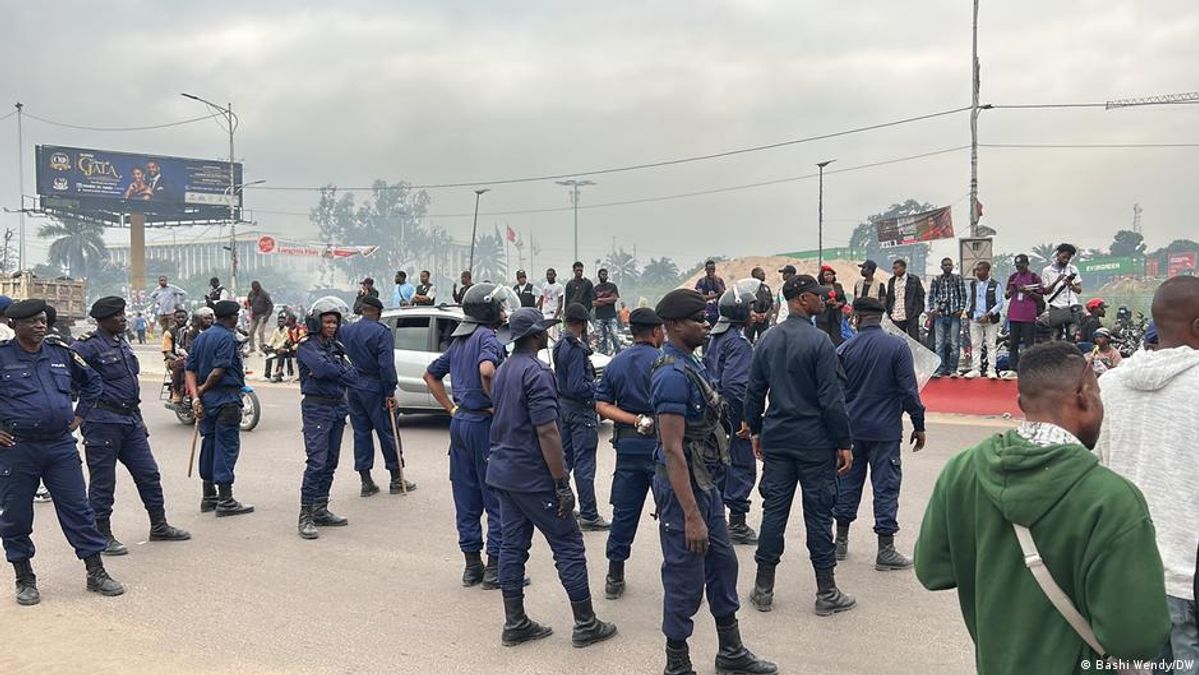
The DRC's planned constitutional referendum has been at the center of a growing political crisis, with President Felix Tshisekedi facing opposition from a coalition of opposition leaders and the Catholic Church. The referendum, which aims to introduce a new constitution that would allow Tshisekedi to seek a third term, has been met with widespread protests and allegations of an unconstitutional power grab.
The opposition coalition, C64, has accused Tshisekedi of using the referendum to pave the way for a third presidential term, and has demanded his resignation. The coalition, which includes opposition leaders such as Martin Fayulu, Moise Katumbi, and Jean-Marc Kabund, argues that the proposed constitutional reform is an illegitimate attempt to rewrite the constitution.
The Catholic Church has also taken a clear position on the issue, questioning the necessity of constitutional reform. Cardinal Fridolin Ambongo has criticized the government's political agenda, arguing that the priority for the DRC should be peace, not constitutional change.
The constitutional dispute has significant regional implications, with international observers warning that the political crisis could further weaken state institutions. If trust in government continues to erode, armed groups could exploit the situation, many argue. The opposition fears precisely this outcome, arguing that a constitutional referendum could not be genuinely inclusive under current conditions, as large parts of the population living in conflict-affected areas would effectively be excluded from participating.
While European governments and multilateral organizations continue to emphasize the importance of upholding democratic standards, other international actors appear to be primarily driven by their strategic interests, particularly in the areas of security and critical minerals. Rwanda's support of M23, a rebel group in the DRC, is a case in point. Analysts warn that a loss of international credibility could also weaken Kinshasa's position in its ongoing M23-related dispute with its neighbor.
The future of the DRC's constitutional referendum remains uncertain, with the opposition coalition planning to hold nationwide protests on July 22. The Catholic Church has called for calm and restraint, urging the government to prioritize peace and stability. The international community will be watching closely, as the outcome of this crisis has significant implications for regional stability and the DRC's future.
The DRC's constitutional referendum is a complex and deeply politicized issue, with significant regional implications. The opposition's concerns about an unconstitutional power grab and the Catholic Church's position on the issue highlight the need for a more inclusive and transparent process. The international community must continue to emphasize the importance of upholding democratic standards and promoting regional stability.
Editor's Note: The analysis is based on publicly available information and may not reflect the full complexity of the situation.
Source referenced: DW
This brief was synthesized by our Editorial Engine and reviewed by The Ground Narrative team.