TRENDING

Friday, 16 October 2026
----------------------
5 Jumada Al-Awwal 1448 AH
The US blockade on Cuba is unprecedented, and its consequences could be catastrophic. As the Trump administration tightens its grip on the island nation, the stage is set for a prolonged period of turmoil.
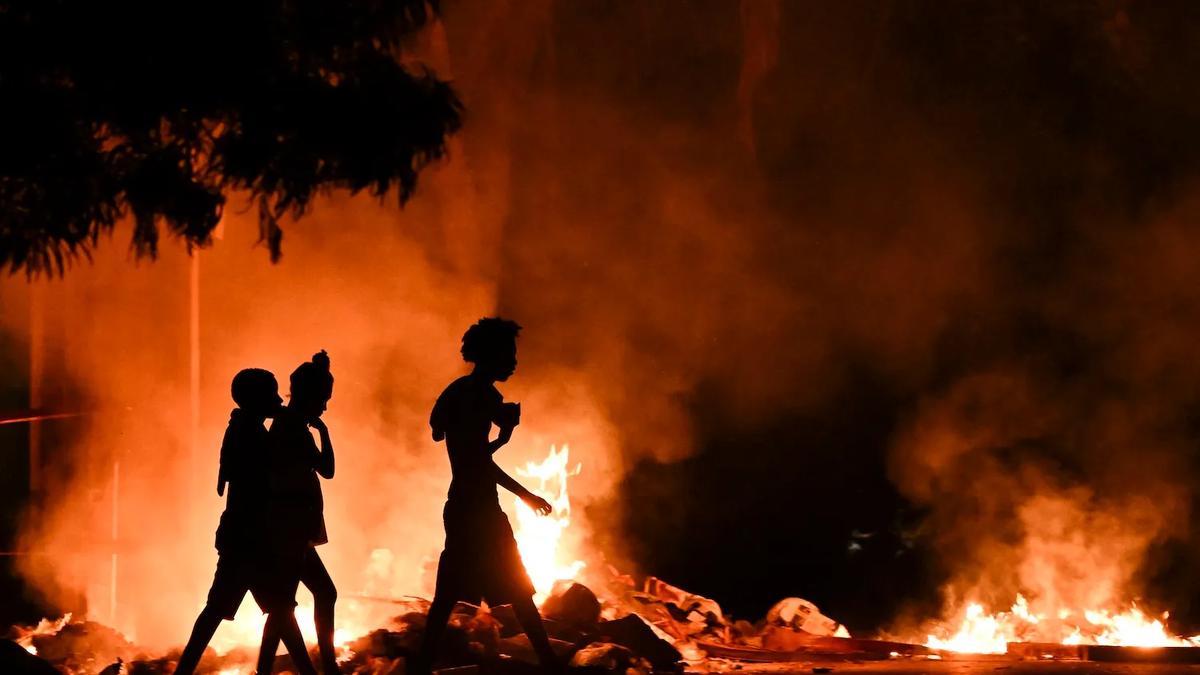
The US blockade on Cuba is a stark reminder of the country's unique geopolitical status. Unlike other post-Soviet Marxist states, Cuba has been subjected to a decades-long campaign of economic isolation and diplomatic pressure. The blockade, which has been in place since the 1960s, has had a devastating impact on the Cuban economy, limiting the country's access to international trade and finance.
The Trump administration's decision to block all oil shipments to Cuba is a significant escalation of the blockade. The move is widely seen as a response to the Cuban government's failure to push for economic reform and its continued alignment with Venezuela and other anti-US governments in the region. However, the blockade is also driven by domestic political considerations, particularly the desire to appease the large Cuban exile community in Florida.
The blockade is likely to have far-reaching consequences for Cuba, including widespread poverty, food shortages, and a significant increase in the number of refugees fleeing the island. The Cuban government, which has long relied on oil imports to fuel its economy, is ill-equipped to cope with the loss of this vital resource. The blockade is also likely to exacerbate existing social and economic inequalities, as the country's elite will be better positioned to adapt to the new economic reality.
The Cuban exile community in Florida plays a significant role in shaping US policy towards Cuba. Many of these exiles, including prominent politicians like Marco Rubio, have a romanticized view of Cuba's pre-revolutionary past and believe that the country can be transformed into a prosperous democracy through the efforts of its expatriate community. However, this view is based on a flawed understanding of Cuba's history and the complexities of its current situation.
The blockade is likely to lead to a prolonged period of turmoil in Cuba, with significant social, economic, and political consequences. The Cuban government, which has long been criticized for its authoritarianism and human rights abuses, will face increased pressure to reform and adapt to the new economic reality. However, the country's elite will also be forced to confront the consequences of their own actions, including the perpetuation of inequality and the suppression of dissent.
The US blockade on Cuba is a complex and multifaceted issue, driven by a combination of geopolitical, economic, and domestic political considerations. As the Trump administration tightens its grip on the island nation, the stage is set for a prolonged period of upheaval, with significant consequences for the Cuban people and the region as a whole.
Editor's Note: The analysis is based on a thorough examination of the historical and geopolitical context of the US blockade on Cuba. However, the consequences of the blockade are inherently uncertain and may be influenced by a range of factors, including the Cuban government's response and the actions of other countries in the region.
Source referenced: FOREIGNPOLICY
This brief was synthesized by our Editorial Engine and reviewed by The Ground Narrative team.