TRENDING

Wednesday, 21 October 2026
----------------------
10 Jumada Al-Awwal 1448 AH
President Trump has called on AI data‑center operators to hand out cash dividends to nearby residents, framing the move as a win‑win before the 2026 midterms. The proposal masks a clash between corporate profit, environmental strain and the political calculus of a president fighting low approval.
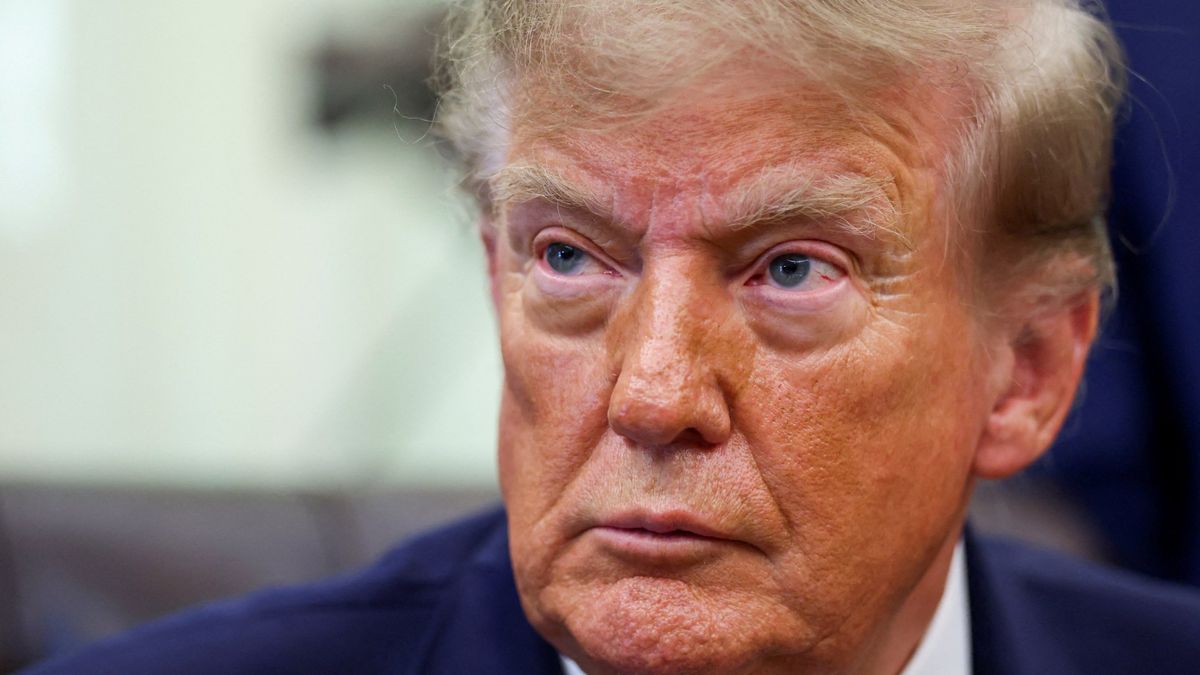
President Donald Trump posted on Truth Social that AI data‑center firms should pay "dividends" to the neighborhoods that host their sprawling complexes. The call came as the administration pushes a fast‑track permitting order and as the 2026 midterm elections loom, with polls showing a majority of Americans opposing new AI‑powered facilities in their backyards. Trump framed the dividend idea as a simple market solution: companies that want community support should simply write a check.
The dividend proposal sits at the intersection of three powerful incentives. First, the Republican Party faces a rare bipartisan backlash against AI data centers because of their water‑intensive cooling systems and soaring electricity demand. By offering cash payouts, the administration hopes to neutralize local opposition without imposing stricter environmental rules that could slow construction.
Second, AI firms stand to gain a strategic edge in a global race where China is positioning itself as the world’s leading AI compute hub. Faster permitting and community buy‑in translate into more servers, more training cycles, and ultimately more market share for U.S. companies. The dividend model sidesteps a direct regulatory approach, allowing firms to self‑regulate their community impact while the federal government retains a veneer of support.
Third, the timing aligns with the upcoming midterm elections. Trump’s approval ratings have dipped to historic lows, and his base is looking for a tangible win‑win narrative. By promising cash to ordinary voters, the administration can claim a direct economic benefit while deflecting criticism that AI infrastructure is a “gift to China.” The political calculus is clear: if the dividend message resonates, it could swing undecided suburban voters who are otherwise skeptical of high‑tech projects.
Communities near data‑center clusters already grapple with soaring water bills and strained electric grids. Large‑scale cooling towers draw millions of gallons daily, often from already over‑allocated aquifers. When a new AI hub is approved, local utilities must purchase additional power, driving up rates for households and small businesses.
While a dividend check may look attractive, the long‑term effect on property values can be negative. Studies from earlier data‑center booms show that perceived environmental risk depresses home prices, offsetting any short‑term cash infusion. Moreover, the constant hum of massive server farms raises concerns about electromagnetic exposure and noise pollution, issues that are rarely quantified in the public debate.
Proponents tout job creation, yet most positions in AI data centers are low‑wage, technical support roles that require minimal training. The promised economic uplift often bypasses the broader community, concentrating benefits among a narrow pool of specialists while the majority bear the environmental and infrastructural burdens.
AI giants have lobbied heavily for the executive order that fast‑tracks land use and environmental review. The dividend suggestion allows them to avoid binding regulations that would internalize the true cost of water and electricity. By shifting the burden onto taxpayers—through higher utility rates and subsidized water—the companies preserve profit margins while presenting a charitable front.
Trump’s earlier rhetoric framed opposition to data centers as a “gift to China.” This framing downplays the fact that the United States already imports a significant share of its semiconductor and AI hardware from Asian supply chains. The dividend pitch distracts from the deeper issue: a fragmented domestic supply chain that forces U.S. firms to rely on foreign chips, undermining the very sovereignty the administration claims to protect.
State and municipal officials have raised alarms about zoning, water rights, and grid reliability, yet the federal executive order effectively pre‑empts many of those concerns. By positioning the dividend as a community‑level solution, the administration sidesteps the need for robust local oversight, consolidating decision‑making power in Washington and in corporate boardrooms.
- Midterm campaign messaging – Track how Republican candidates incorporate the dividend idea into their platforms and whether they can convert cash promises into votes in swing districts.
- State legislative responses – Expect a wave of bills aimed at either codifying dividend payments or, conversely, imposing stricter water‑use caps on data‑center projects.
- Corporate pledges vs. binding law – Monitor whether AI firms move from voluntary electricity‑cost coverage to legally enforceable sustainability commitments.
- Utility rate trends – Rising electricity and water prices in counties hosting new AI hubs will be a concrete indicator of who truly pays for the digital expansion.
- International AI compute competition – Any shift in U.S. policy that accelerates data‑center construction could provoke a response from China, potentially reshaping the global AI arms race.
By watching these threads, readers can see whether the dividend promise remains a political ploy or evolves into a genuine redistribution of AI’s hidden costs.
The administration suggests that AI operators provide direct cash payments to residents or local governments in exchange for community support. The exact amount is not defined, leaving companies to negotiate deals on a case‑by‑case basis.
By framing the dividend as a tangible benefit, the White House hopes to win over suburban voters who are otherwise skeptical of AI infrastructure. If the message resonates, it could boost Republican turnout in key swing districts, though opposition groups may counter with environmental concerns.
Source referenced: ALJAZEERA
This brief was synthesized by our Editorial Engine and reviewed by The Ground Narrative team.