TRENDING

Friday, 16 October 2026
----------------------
5 Jumada Al-Awwal 1448 AH
US President Donald Trump's proposal to link Iran negotiations to the expansion of the Abraham Accords has sparked a complex geopolitical calculus, with far-reaching implications for regional stability and global power dynamics.
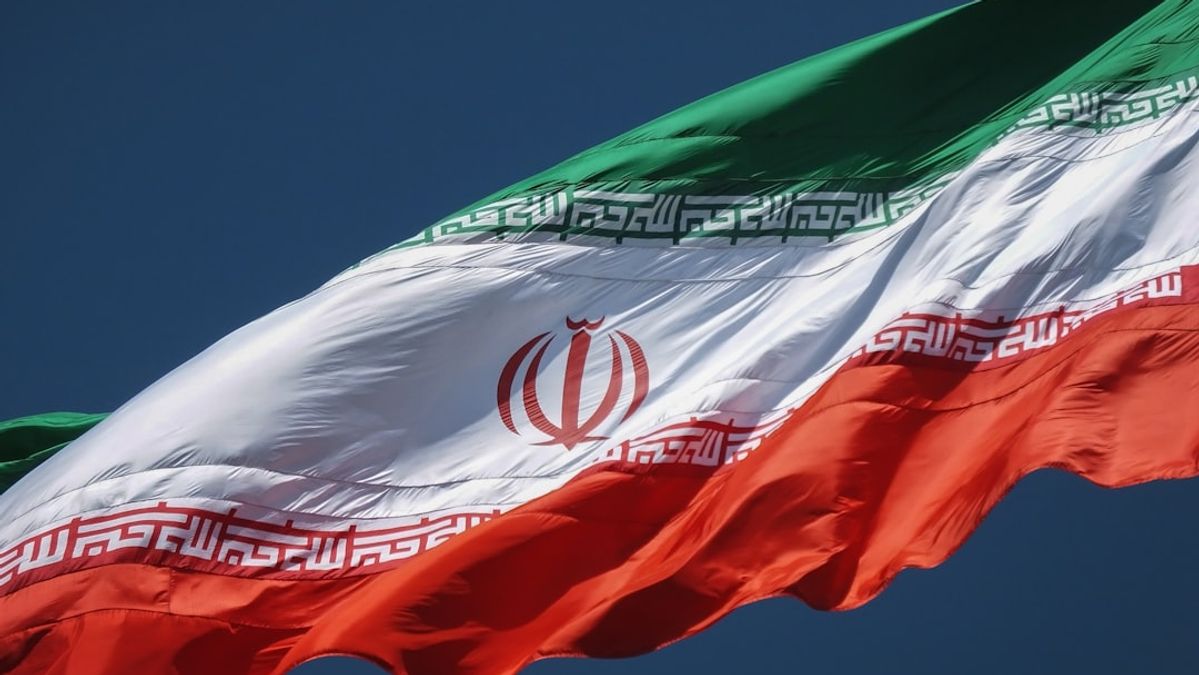
The Abraham Accords, a series of normalization agreements between Israel and several Arab states, have been a cornerstone of US Middle East policy since their inception in 2020. The Accords have been touted as a major diplomatic achievement, aimed at promoting regional stability and countering Iranian influence. However, the recent proposal by US President Donald Trump to link Iran negotiations to the expansion of the Accords has injected a new layer of complexity into the regional dynamics.
Trump's proposal is likely driven by a desire to create a sense of urgency and leverage in the Iran negotiations. By linking the two issues, Trump may be attempting to create a quid pro quo scenario, where countries such as Saudi Arabia, Qatar, Egypt, Turkiye, and Pakistan are incentivized to normalize ties with Israel in exchange for US support in ending the war with Iran. This strategy is reminiscent of Trump's previous attempts to use economic leverage to pressure Iran into negotiations.
The Abraham Accords have been a subject of controversy, with some critics arguing that they have emboldened Israeli hardliners and undermined Palestinian rights. The Accords have also been seen as a means to counter Iranian influence in the region, particularly in countries such as Iraq and Syria. Trump's proposal, therefore, is not a new development, but rather an extension of existing US policy.
The implications of Trump's proposal are far-reaching and complex. On one hand, the expansion of the Accords could lead to increased regional stability, as countries normalize ties with Israel and reduce tensions with Iran. On the other hand, the Accords have been criticized for their lack of inclusivity, with many Arab states and Palestinian groups feeling excluded from the process. The proposal may also exacerbate existing tensions between Iran and its regional rivals, particularly Saudi Arabia and the UAE.
The future consequences of Trump's proposal are uncertain, but several scenarios are possible. If the proposal is successful, it could lead to a significant shift in regional dynamics, with countries such as Saudi Arabia and Qatar normalizing ties with Israel. However, this could also lead to increased tensions with Iran, potentially destabilizing the region. Alternatively, the proposal may fail, leading to a renewed focus on the Iran nuclear deal and potentially undermining US credibility in the region.
Trump's proposal to link Iran negotiations to the expansion of the Abraham Accords is a complex geopolitical calculus, with far-reaching implications for regional stability and global power dynamics. While the proposal may be driven by strategic motivations, its consequences are uncertain and potentially far-reaching. As the situation unfolds, it is essential to monitor the developments closely and assess the implications for regional stability and global security.
Editor's Note: The analysis is based on publicly available information and may not reflect the full range of motivations and implications behind Trump's proposal.
Source referenced: ALJAZEERA
This brief was synthesized by our Editorial Engine and reviewed by The Ground Narrative team.