TRENDING

Thursday, 15 October 2026
----------------------
4 Jumada Al-Awwal 1448 AH
The inclusion of Thomas Partey in Ghana's World Cup squad raises questions about the country's stance on accountability and the potential consequences for the team's reputation.
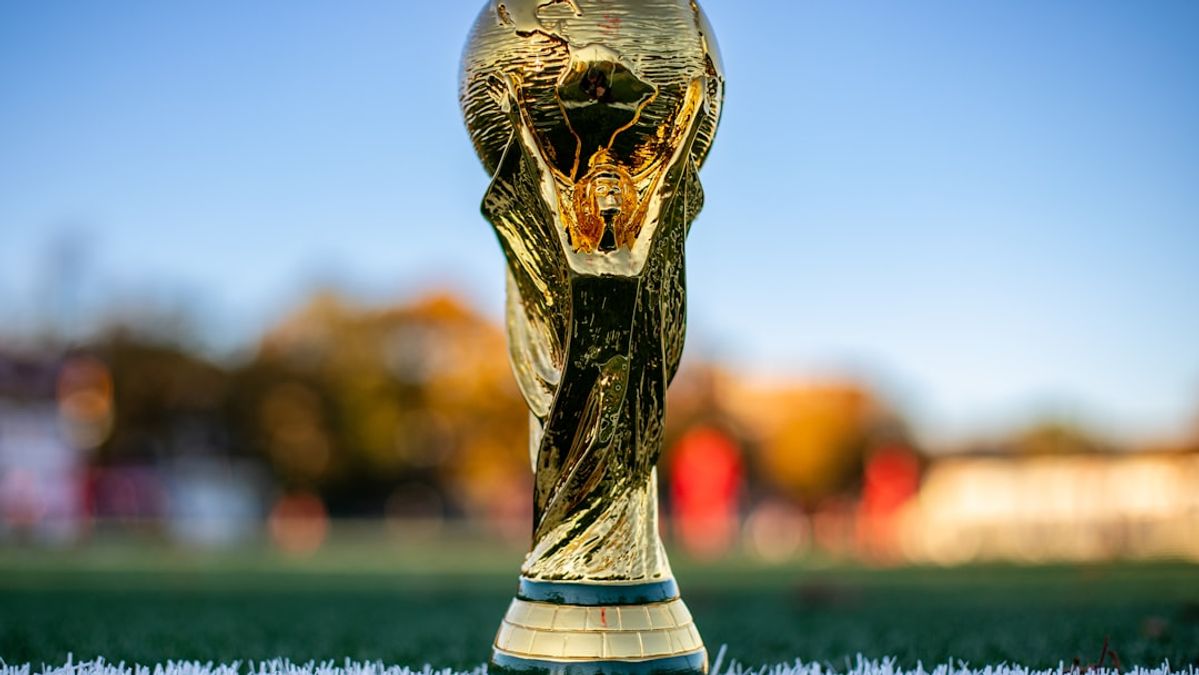
The recent announcement of Ghana's preliminary 28-man squad for the upcoming World Cup has sparked controversy due to the inclusion of former Arsenal midfielder Thomas Partey, who is facing seven charges of rape and one count of sexual assault in the United Kingdom. This development raises significant geopolitical implications, particularly in the context of Ghana's reputation and the country's stance on accountability.
Thomas Partey's case is not an isolated incident. Ghana has a history of dealing with high-profile scandals involving its athletes. In 2018, the country's football association was embroiled in a corruption scandal, which led to the suspension of several officials. This context suggests that Ghana may be struggling to balance its national interests with the need for accountability.
The inclusion of Partey in the World Cup squad may have regional implications, particularly in the context of Africa's growing influence in international football. Ghana's participation in the World Cup is seen as a significant achievement, and the team's reputation is crucial in promoting the country's image on the global stage. However, the controversy surrounding Partey's inclusion may tarnish Ghana's reputation and undermine its efforts to promote itself as a responsible and accountable nation.
The potential consequences of Partey's inclusion in the World Cup squad are far-reaching. If Ghana's team is involved in any controversy or scandal during the tournament, it may damage the country's reputation and undermine its efforts to promote itself as a responsible and accountable nation. Furthermore, the controversy may also have implications for Ghana's relationships with other countries, particularly those that have been critical of the country's handling of the Partey case.
The strategic motivations behind Ghana's decision to include Partey in the World Cup squad are unclear. However, it is possible that the country's football association may be prioritizing its national interests over the need for accountability. This decision may be driven by a desire to promote Ghana's image on the global stage and to capitalize on the country's growing influence in international football.
The controversy surrounding Partey's inclusion in the World Cup squad is a recent development, with the announcement of the preliminary squad taking place on May 26, 2026. The incident is set to take place in Qatar, where the World Cup is being held. The reasons behind Ghana's decision to include Partey in the squad are unclear, but it is possible that the country's football association may be prioritizing its national interests over the need for accountability.
The controversy surrounding Partey's inclusion in the World Cup squad involves several key players, including Thomas Partey, Ghana's football association, and the country's government. The incident is centered around Partey's alleged involvement in seven charges of rape and one count of sexual assault in the United Kingdom. The Ghanaian government has been criticized for its handling of the case, with some accusing the country of prioritizing its national interests over the need for accountability.
The inclusion of Thomas Partey in Ghana's World Cup squad raises significant geopolitical implications, particularly in the context of the country's reputation and its stance on accountability. The controversy surrounding Partey's inclusion may have regional implications, particularly in the context of Africa's growing influence in international football. The potential consequences of Partey's inclusion are far-reaching, and the strategic motivations behind Ghana's decision are unclear. Further investigation is needed to determine the full extent of the controversy and its implications for Ghana's reputation and relationships with other countries.
Editor's Note: The analysis is based on publicly available information and may be subject to change as more information becomes available.
Source referenced: ALJAZEERA
This brief was synthesized by our Editorial Engine and reviewed by The Ground Narrative team.