TRENDING

Sunday, 18 October 2026
----------------------
7 Jumada Al-Awwal 1448 AH
Tanzanian President Samia Suluhu Hassan's visit to Russia marks a significant shift in her country's foreign policy, as it seeks to strengthen ties with Moscow amid fraying relations with Western nations.
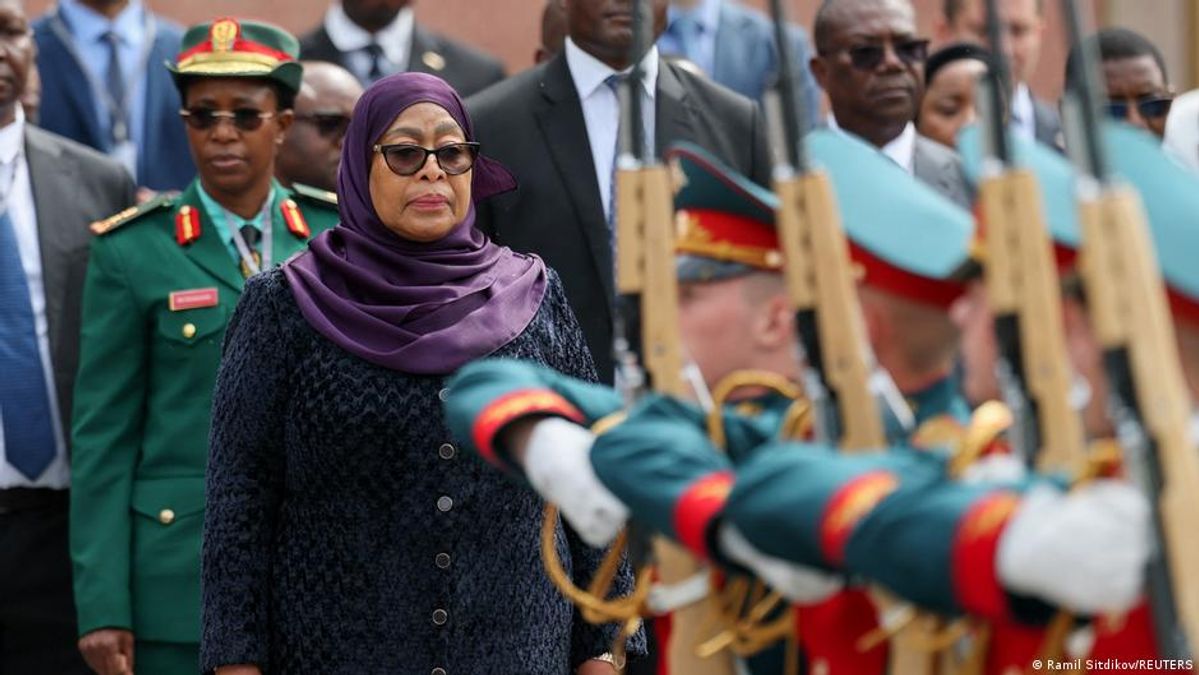
Tanzanian President Samia Suluhu Hassan's three-day state visit to Russia, which included a meeting with President Vladimir Putin, marks a significant shift in her country's foreign policy. This visit is the first time since 1969 that a Tanzanian leader has visited Moscow, and it comes at a time when Tanzania's reputation among Western democracies has been badly tarnished.
Tanzania's relationship with Russia dates back to the Cold War era, when Julius Nyerere, the country's founding father, established close ties with the Soviet Union. However, since the fall of the Soviet Union, many of these relationships had receded in importance. Russia has been seeking to reestablish ties with former Cold War partner nations, and Tanzania's visit is a significant development in this regard.
Tanzania's decision to strengthen ties with Russia is likely driven by a desire to diversify its foreign policy and reduce its dependence on Western nations. The country's reputation among Western democracies has been tarnished by allegations of human rights abuses and election violence. By welcoming Russia, Tanzania is sending a message to Western nations that it still has a place among African nations.
Tanzania's shift towards Russia has significant regional implications. Russia has been seeking to increase its influence in Africa, and Tanzania's visit is a significant development in this regard. Russia has been offering military deals and trade agreements to African nations, and Tanzania's visit is likely to be seen as a major coup for Moscow.
The consequences of Tanzania's shift towards Russia are likely to be significant. Western nations, including the United States and the European Union, have imposed sanctions on Tanzania in response to allegations of human rights abuses and election violence. By strengthening ties with Russia, Tanzania is likely to face further isolation from the West.
Tanzania's visit to Russia marks a significant shift in its foreign policy, as it seeks to strengthen ties with Moscow amid fraying relations with Western nations. This decision is likely driven by a desire to diversify its foreign policy and reduce its dependence on Western nations. However, the consequences of this decision are likely to be significant, and Tanzania's reputation among Western democracies is likely to suffer as a result.
Editor's Note: The analysis is based on publicly available information and is subject to change as new information becomes available.
Source referenced: DW
This brief was synthesized by our Editorial Engine and reviewed by The Ground Narrative team.