TRENDING

Saturday, 17 October 2026
----------------------
6 Jumada Al-Awwal 1448 AH
The Syrian commission's confirmation of the deaths of Rania al-Abbasi's six children, missing since 2013, sheds light on the regime's human rights abuses and raises questions about accountability.
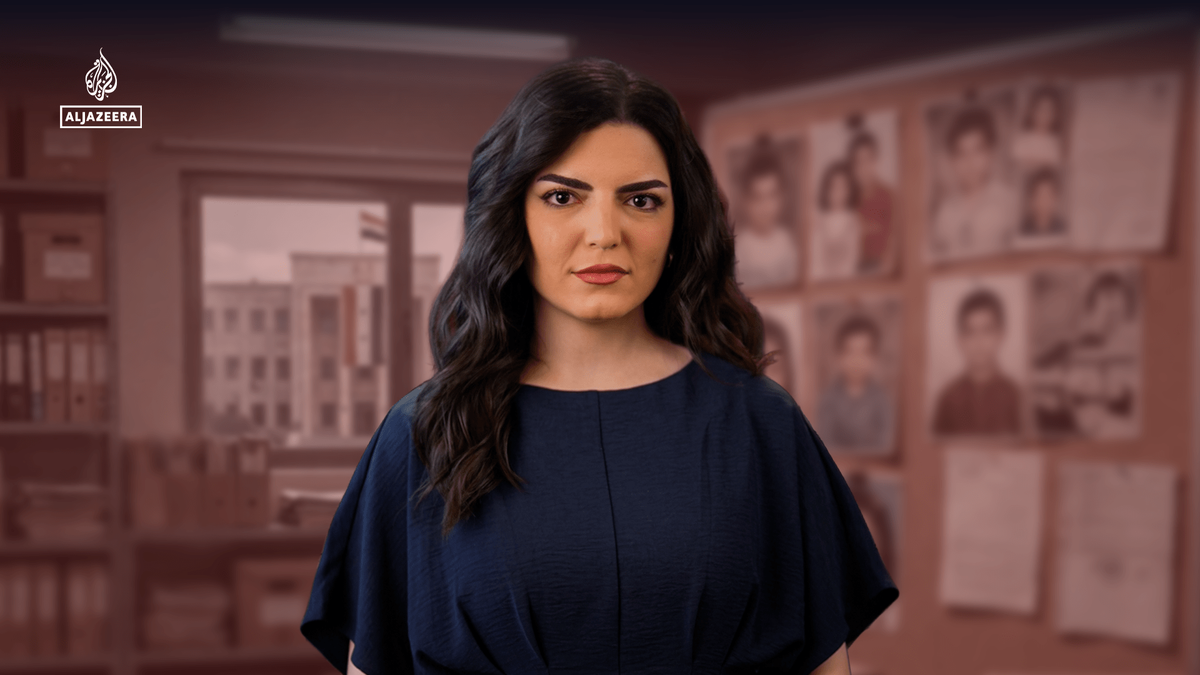
The Syrian civil war, which began in 2011, has resulted in one of the most devastating humanitarian crises of the 21st century. The conflict has claimed the lives of hundreds of thousands of civilians, displaced millions, and left a trail of destruction in its wake. The Syrian government, led by Bashar al-Assad, has been accused of numerous human rights abuses, including the use of chemical weapons, barrel bombs, and forced disappearances.
The recent confirmation by the Syrian commission of the deaths of Rania al-Abbasi's six children, who went missing in 2013, is a stark reminder of the regime's brutal treatment of civilians. The children's disappearance and presumed deaths are a testament to the regime's willingness to use violence and intimidation to maintain power.
The confirmation of the children's deaths has significant geopolitical implications. It highlights the regime's continued disregard for human rights and international law, and raises questions about accountability. The international community has been criticized for its inaction in the face of the Syrian crisis, and the confirmation of the children's deaths serves as a reminder of the need for greater action.
The Syrian civil war has had far-reaching regional implications. The conflict has created a power vacuum in the Middle East, allowing extremist groups such as ISIS to flourish. The war has also led to a massive refugee crisis, with millions of Syrians fleeing to neighboring countries.
The confirmation of the children's deaths has significant future consequences. It serves as a reminder of the need for greater accountability and action in the face of human rights abuses. The international community must come together to address the Syrian crisis and ensure that those responsible for human rights abuses are held accountable.
The Syrian civil war is a complex and multifaceted conflict, with roots dating back to the 1970s. The regime's brutal treatment of civilians is a continuation of a long history of human rights abuses. The confirmation of the children's deaths serves as a reminder of the need for greater understanding of the historical context of the conflict.
The Syrian regime's strategic motivations are complex and multifaceted. The regime's primary goal is to maintain power and control, and it has used violence and intimidation to achieve this goal. The confirmation of the children's deaths serves as a reminder of the regime's willingness to use any means necessary to maintain power.
Editor's Note: The analysis is based on publicly available information and is subject to change as new information becomes available.
Source referenced: ALJAZEERA
This brief was synthesized by our Editorial Engine and reviewed by The Ground Narrative team.