TRENDING

Tuesday, 13 October 2026
----------------------
2 Jumada Al-Awwal 1448 AH
The European Union's expansion of sanctions on Sudan, coupled with mounting evidence of atrocities, raises concerns about the humanitarian crisis and regional stability.
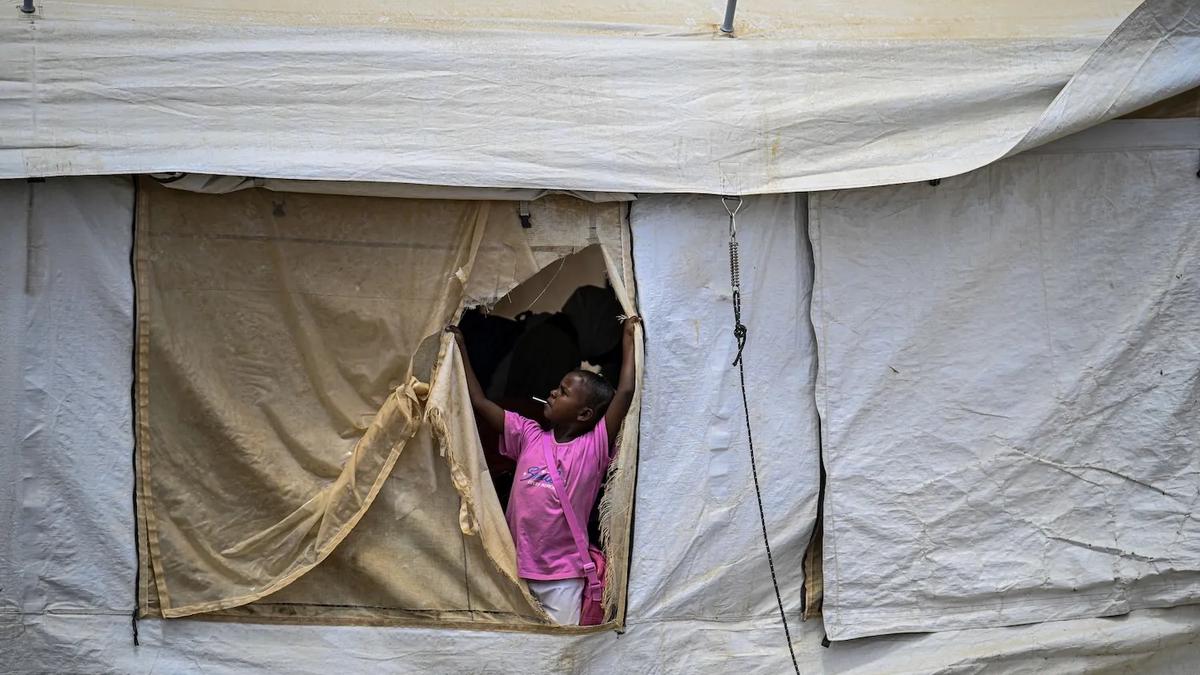
Sudan's four-year civil war has become the world's worst humanitarian crisis, killing over 150,000 people and displacing more than 14 million. The conflict has also led to a significant escalation of atrocities, with the Rapid Support Forces (RSF) accused of committing genocide in the city of El Fasher. The European Union's recent expansion of sanctions on Sudan, including a ban on the purchase and transfer of gold, highlights the international community's growing concern about the crisis.
The EU's decision to ban the export of gold, mercury, and cyanide to Sudan is a significant step in isolating the country's military regime. Gold, which accounts for nearly 60% of Sudan's total export value, has become a lifeline for the regime, financing its war efforts. By targeting the gold trade, the EU aims to disrupt the regime's ability to fund its military operations and potentially weaken its grip on power.
The RSF's actions in El Fasher have been widely condemned, with the United Nations reporting evidence of genocide, including mass killings, forced disappearances, and sexual violence. The RSF's leader, Mohamed Hamdan Dagalo, has been accused of using institutional structures and diplomatic outreach to project himself as a legitimate authority figure in the country. However, his actions have been widely criticized, and the international community has called for his accountability.
The Sudanese crisis has significant regional implications, with neighboring countries such as Egypt, Saudi Arabia, and the United Arab Emirates (UAE) accused of supporting the RSF. The UAE, in particular, has been accused of providing military aid to the RSF, despite denials from the Emirati government. The international community's reluctance to directly sanction the UAE and other foreign actors has been criticized, with some arguing that it has emboldened the regime and enabled its atrocities.
The international community's response to the Sudanese crisis has been criticized for being inadequate. While the EU's sanctions regime is a step in the right direction, more needs to be done to address the humanitarian crisis and hold those responsible for atrocities accountable. The United States, in particular, has been criticized for its reluctance to directly sanction foreign actors, despite its own sanctions on Emirati companies and networks connected to RSF leaders.
Sudan's escalating crisis is a complex and multifaceted issue, with significant regional implications. The EU's sanctions regime is a step in the right direction, but more needs to be done to address the humanitarian crisis and hold those responsible for atrocities accountable. The international community must work together to find a solution to this crisis, one that prioritizes the protection of civilians and the promotion of accountability for those responsible for atrocities.
The situation in Sudan remains volatile, with the RSF continuing to commit atrocities and the international community struggling to find a solution. The EU's sanctions regime is a step in the right direction, but more needs to be done to address the humanitarian crisis and hold those responsible for atrocities accountable. The international community must work together to find a solution to this crisis, one that prioritizes the protection of civilians and the promotion of accountability for those responsible for atrocities.
Editor's Note: The analysis is based on publicly available information and is subject to change as new information becomes available.
Source referenced: FOREIGNPOLICY
This brief was synthesized by our Editorial Engine and reviewed by The Ground Narrative team.