TRENDING

Thursday, 15 October 2026
----------------------
4 Jumada Al-Awwal 1448 AH
China's new law on promoting ethnic unity and progress aims to intensify national integration, but its assimilationist policies may exacerbate existing tensions and human rights abuses.
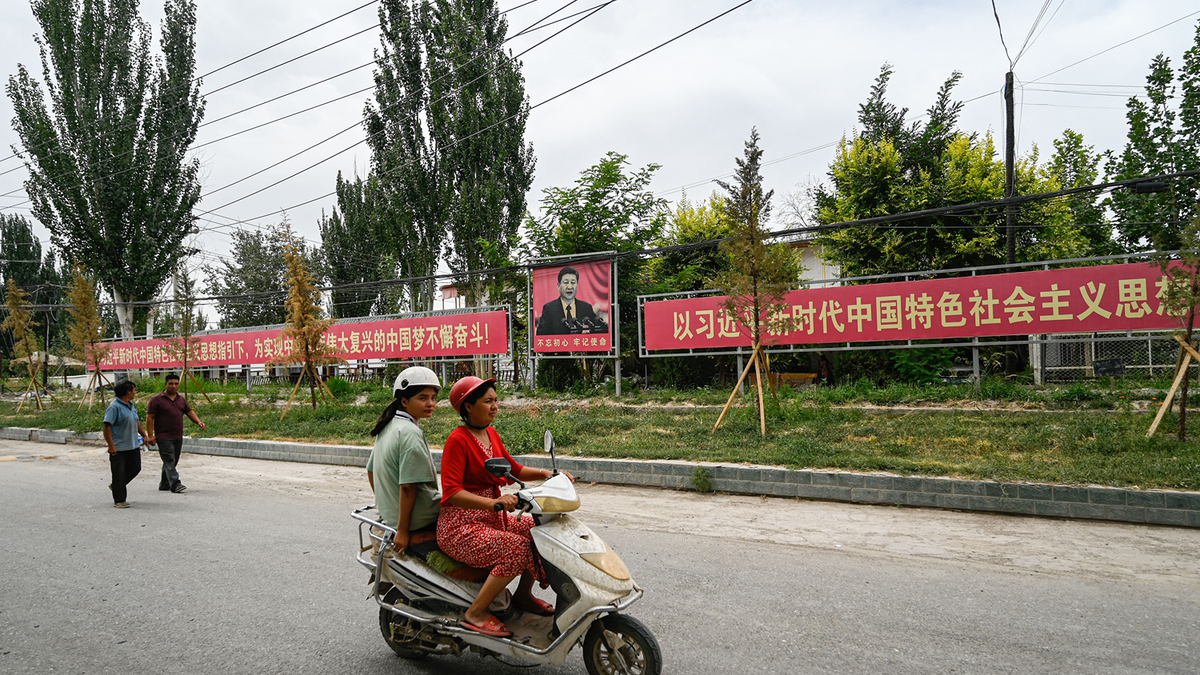
China's National People's Congress passed the "Law on Promoting Ethnic Unity and Progress" in March 2026, which came into effect on July 1. This law is a significant development in China's ethnic policy, reflecting President Xi Jinping's vision of a homogenized ethnic future. The law aims to promote ethnic unity and progress by intensifying national integration, but its assimilationist policies may exacerbate existing tensions and human rights abuses.
China has been implementing increasingly assimilationist ethnic policies over the past decade, particularly in Xinjiang, where mass internment, family separation, forced labor, and other human rights abuses have sparked international controversy. The government has sought to radically transform minority culture and forge a unified ethnonational identity through policies such as "contact, exchange, and blending" of ethnic groups.
The new law authorizes all citizens to report any behavior that harms "ethnic unity and progress" and makes curbing such harms and forging a unified Chinese ethnonational identity the responsibility of every level of government and every part of the party-state apparatus. It affirms the status of Mandarin as the language of basic education throughout China and emphasizes indoctrination through propaganda, education, and media.
The law's provisions have significant implications for China's ethnic minority regions, particularly Xinjiang and Tibet. The government's assimilationist policies have already decimated bilingual education in minority regions, and the new law may exacerbate this trend. The law also seeks to reduce social, economic, and cultural gaps between regions, but its emphasis on assimilation may undermine this goal.
President Xi Jinping's push for ethnic unity and progress is driven by a desire to maintain territorial integrity and political control. China's internal ethnic diversity poses a significant challenge to the government's authority, and Xi's policies aim to overcome this challenge by promoting a unified Chinese ethnonational identity.
The new law may have significant consequences for China's ethnic minority regions and the country as a whole. The law's emphasis on assimilation may exacerbate existing tensions and human rights abuses, while its provisions may undermine the government's efforts to reduce social, economic, and cultural gaps between regions.
China's new law on promoting ethnic unity and progress is a significant development in the country's ethnic policy. While the law aims to promote ethnic unity and progress, its assimilationist policies may exacerbate existing tensions and human rights abuses. The law's provisions have significant implications for China's ethnic minority regions, and its future consequences are uncertain.
Editor's Note: The analysis is based on publicly available information and may not reflect the full complexity of the issue.
Source referenced: FOREIGNPOLICY
This brief was synthesized by our Editorial Engine and reviewed by The Ground Narrative team.