TRENDING

Friday, 16 October 2026
----------------------
5 Jumada Al-Awwal 1448 AH
Renewed hostilities between the US and Iran have sent oil prices surging to a one-month high, threatening to disrupt global energy supplies and exacerbate regional tensions.
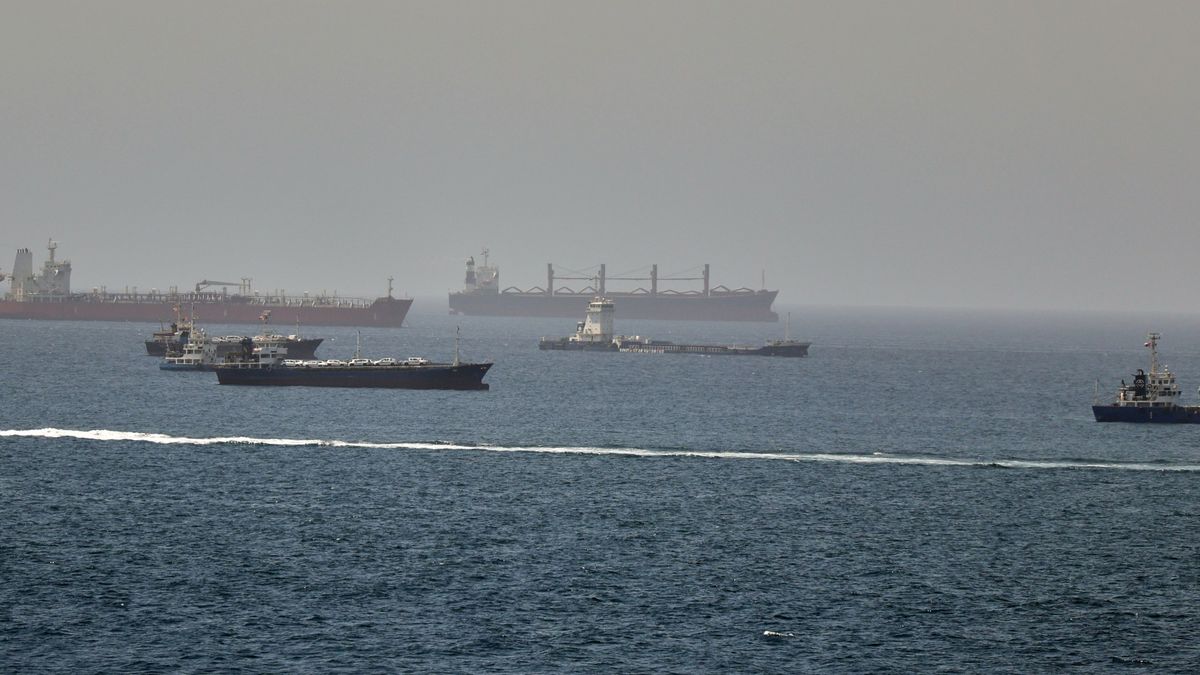
The Strait of Hormuz, a narrow waterway connecting the Persian Gulf to the Arabian Sea, has been a focal point of tensions between the United States and Iran. Recent hostilities have escalated, with the US launching airstrikes on Iranian targets and Tehran retaliating with missile and drone strikes. The renewed conflict has sent oil prices soaring to a one-month high, with Brent crude rising 2% to $84.91 a barrel.
The Strait of Hormuz is a critical chokepoint for global energy supplies, with approximately 20% of the world's oil passing through it. Disruptions to the strait's traffic can have far-reaching consequences for the global economy. The current tensions have already led to a significant decline in shipping traffic, with only 57 transits recorded from Friday to Sunday, a more than 50% drop compared to the previous week.
The US-Iran conflict has its roots in the 1979 Iranian Revolution, which led to the establishment of an Islamic republic. The US has since imposed economic sanctions on Iran, which has been a major factor in the country's economic struggles. The current tensions are a result of the US withdrawal from the Joint Comprehensive Plan of Action (JCPOA) in 2018 and the subsequent reimposition of sanctions.
The Strait of Hormuz is a vital artery for regional economies, particularly those of the Gulf Cooperation Council (GCC) countries. A prolonged disruption to the strait's traffic could have severe consequences for the region's economic stability. The current tensions have already led to a decline in investor confidence, with the jailing of Gojek founder in Indonesia raising fears for investor confidence.
The current escalation of tensions between the US and Iran has significant implications for the global energy market. Oil prices are likely to continue rising, with some analysts predicting a move to $100 a barrel. The US military has assured markets that the strait remains open to shipping, but the current situation is precarious, and a prolonged disruption to the strait's traffic could have far-reaching consequences for the global economy.
The US has been seeking to contain Iran's influence in the region, particularly in the wake of the US withdrawal from the JCPOA. The current tensions are a result of the US's efforts to impose its will on Iran, which has been met with resistance from Tehran. Iran's declaration that the Strait of Hormuz is closed "until further notice" has added to the tensions, with the US Department of Energy assuring markets that the strait remains open to shipping.
The current tensions between the US and Iran have significant implications for the global energy market and regional stability. The Strait of Hormuz is a critical waterway that connects the Persian Gulf to the Arabian Sea, and disruptions to its traffic can have far-reaching consequences for the global economy. The current situation is precarious, and a prolonged disruption to the strait's traffic could have severe consequences for regional economies and the global energy market.
Editor's Note: The analysis is based on publicly available information and may not reflect the full complexity of the situation.
Source referenced: ALJAZEERA
This brief was synthesized by our Editorial Engine and reviewed by The Ground Narrative team.


