TRENDING

Monday, 5 October 2026
----------------------
24 Rabi' Al-Thani 1448 AH
Wildfires near Spokane, Washington, have destroyed over 700 buildings and forced 64,000 people to evacuate, highlighting the devastating impact of climate change on local communities. As the US faces a decade-high in wildfire activity, the crisis is putting a strain on resources and raising questions about the country's preparedness for disaster.
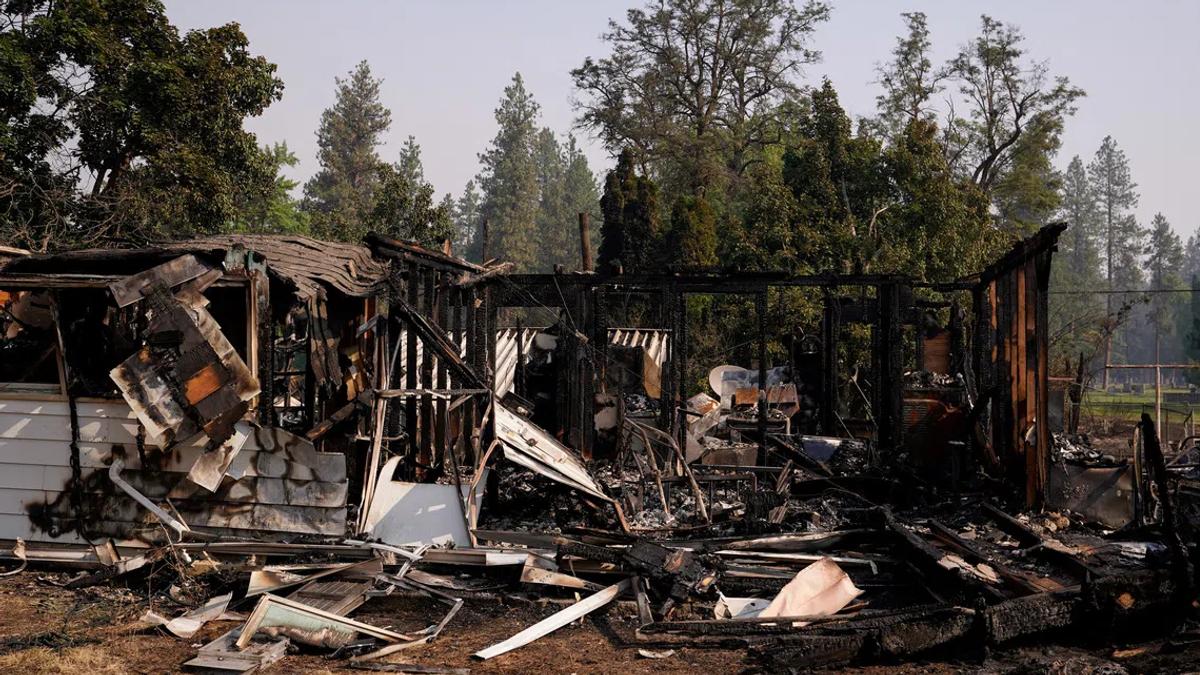
Wildfires near Spokane, Washington, have ravaged the area, destroying more than 700 buildings and forcing 64,000 people to flee their homes. The cluster of three blazes has been raging for days, with firefighters battling to contain the flames. The cause of the fires is still under investigation, but the impact is clear: thousands of people have been displaced, and the community is bracing for potential fatalities.
The wildfires near Spokane are not an isolated incident, but rather part of a larger trend of increasing wildfire activity across the US. Driven by drought and heat linked to human-caused climate change, the crisis is putting a strain on resources and raising questions about the country's preparedness for disaster. The National Interagency Fire Center has reported over 100 large new wildfires across 15 states, with the bulk of them in the Northwest. This has led to a shortage of resources, including firefighters and aerial firefighting assets.
The people of Spokane are bearing the brunt of the crisis, with thousands forced to evacuate their homes and many more living in fear of the flames. The fires have destroyed entire neighborhoods, leaving families without homes and livelihoods. The emotional toll of the disaster is also significant, with many people experiencing trauma and stress. As Governor Bob Ferguson noted, 'There are just so many Washingtonians who have literally lost everything in a very, very short period of time.'
While the immediate focus is on containing the fires and supporting those affected, there are broader questions about the role of climate change in the crisis. The conditions driving the increase in wildfire activity in North America, Europe, and elsewhere are largely a function of human-caused climate change, according to scientists. However, this aspect of the crisis is often downplayed by powerful actors, including politicians and corporations. The true extent of the crisis and the need for urgent action to address climate change are being obscured by rhetoric and spin.
As the situation in Spokane continues to unfold, readers should watch for updates on the containment of the fires and the support being provided to those affected. They should also look for signs of a broader response to the crisis, including increased funding for wildfire prevention and mitigation, as well as efforts to address the root causes of climate change. The coming days and weeks will be critical in determining the trajectory of the crisis and the ability of the US to respond to the challenges posed by climate change.
Editor's Note: The analysis is based on current information and may be subject to change as the situation develops.
Source referenced: STRAITSTIMES
This brief was synthesized by our Editorial Engine and reviewed by The Ground Narrative team.


