TRENDING

Monday, 26 October 2026
----------------------
15 Jumada Al-Awwal 1448 AH
The highly anticipated SpaceX IPO has sparked concerns over governance, valuation, and the potential for an AI bubble, raising questions about the future of the company and the broader market.
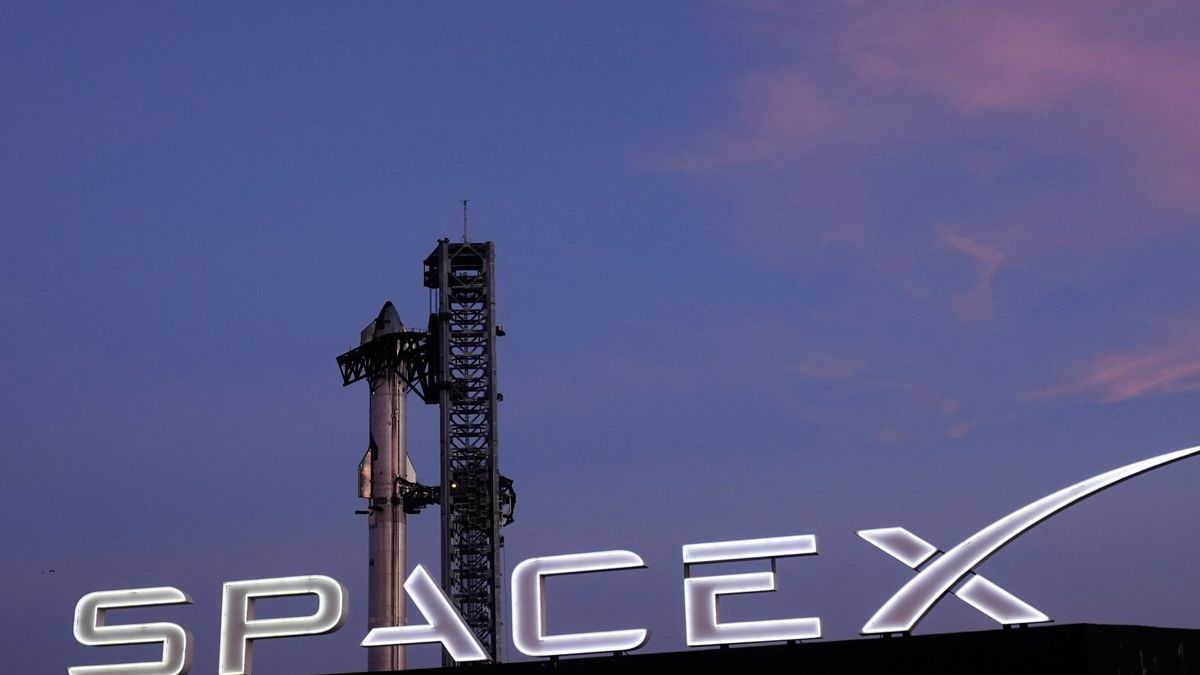
The highly anticipated SpaceX IPO is set to debut on Friday, marking the largest initial public offering (IPO) in history. Valued at nearly $1.8 trillion, the company is expected to allocate 20 percent of shares to retail investors, with roughly $70bn in orders already received. However, concerns are growing over the company's governance structure, valuation, and the potential for an AI bubble.
SpaceX's proposed governance structure has raised concerns among state-level fund managers who run pension funds. Under the new policy, Elon Musk would control as much as 85 percent of voting power despite owning only 42 percent of equity. This level of insulation from accountability is virtually unheard of among large US issuers, limiting shareholders' ability to have a say in the company.
Analysts at MorningStar have valued SpaceX at $63 a share, a 53 percent discount to the upcoming IPO price. This has raised concerns that the company may be significantly overvalued, potentially leading to losses for pension funds, individual retirement accounts, and university endowments. The 15-day rule, which allows companies to enter the Nasdaq-100 index sooner than normal, has also been criticized for not providing enough time to see how an IPO will perform.
The AI sector is a rapidly growing market, with companies like OpenAI and Anthropic expected to go public soon. However, concerns are growing that the sector may be a bubble waiting to burst. The tight interconnections between AI companies mean that weak performance could drag down multiple stocks at once, potentially affecting the broader market.
The SpaceX IPO has significant strategic implications for the company, its investors, and the broader market. The company's governance structure and valuation concerns raise questions about its long-term sustainability. The potential for an AI bubble also highlights the need for caution in investing in the sector.
The SpaceX IPO has regional implications, particularly for the US and its space program. The company's plans to build data centers in space and its growing Starlink satellite network have significant implications for the US Department of Defense and the broader space industry.
The future consequences of the SpaceX IPO are uncertain, but several outcomes are possible. If the company's valuation holds, it could lead to significant growth and investment in the space industry. However, if the company's valuation fails to hold, it could lead to significant losses for investors and a potential AI bubble.
The SpaceX IPO is a significant event with far-reaching implications for the company, its investors, and the broader market. While the company's governance structure and valuation concerns raise questions about its long-term sustainability, the potential for an AI bubble highlights the need for caution in investing in the sector. As the company continues to grow and expand its operations, it is essential to monitor its progress and adjust investment strategies accordingly.
Editor's Note: The analysis is based on publicly available information and may not reflect the company's actual performance or future prospects.
Source referenced: ALJAZEERA
This brief was synthesized by our Editorial Engine and reviewed by The Ground Narrative team.