TRENDING

Tuesday, 20 October 2026
----------------------
9 Jumada Al-Awwal 1448 AH
Shanghai's Zhangjiang Science City is rapidly emerging as a global hub for artificial intelligence (AI) innovation, driven by a unique ecosystem that combines technology, talent, capital, and market resources.
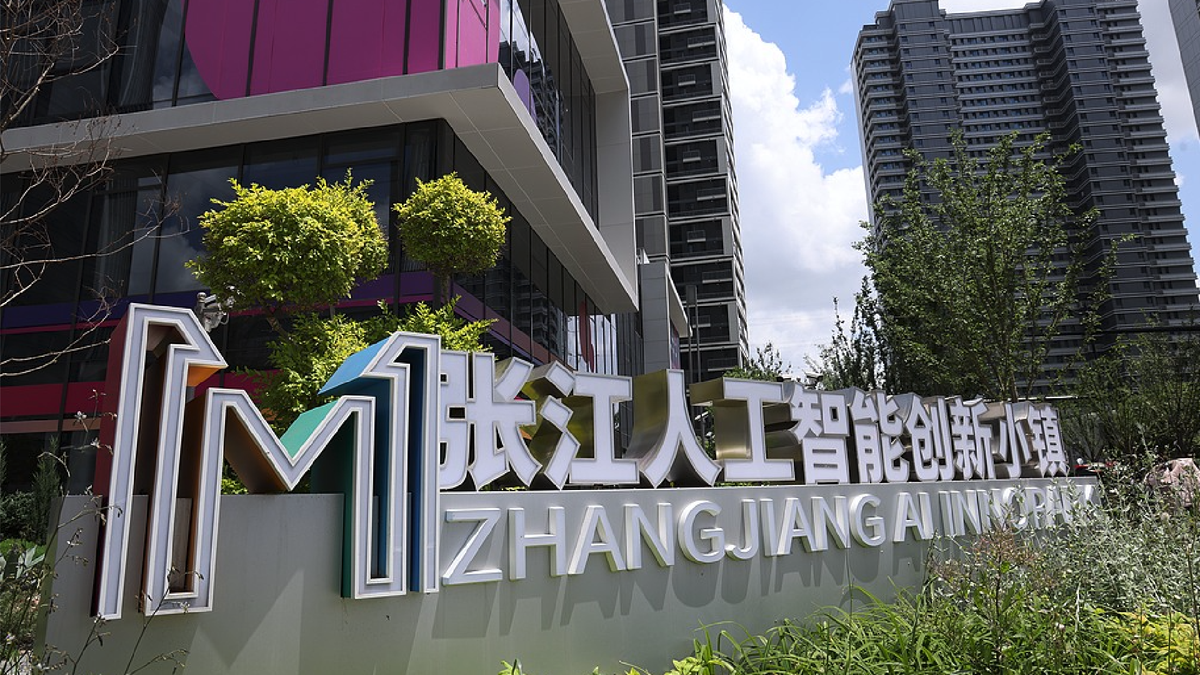
Shanghai's Zhangjiang Science City is a rapidly growing hub for artificial intelligence (AI) innovation, driven by a unique ecosystem that combines technology, talent, capital, and market resources. This article will analyze the strategic motivations behind Zhangjiang's emergence as a global AI hub and explore its regional implications and future consequences.
Zhangjiang Science City is a 20-square-kilometer science and technology park located in the Pudong New Area of Shanghai. The city is home to over 1,000 high-tech companies, including some of China's leading AI startups and research institutions. Zhangjiang's AI ecosystem is supported by a range of innovative policies and support measures, including tax breaks, subsidies, and access to venture capital.
Zhangjiang's emergence as a global AI hub matters for several reasons. Firstly, it represents a significant shift in China's AI strategy, which has traditionally focused on developing AI capabilities through state-led initiatives. Zhangjiang's success demonstrates the potential for private sector-led innovation in AI, which could have significant implications for China's future economic growth.
Secondly, Zhangjiang's AI ecosystem is highly competitive, with many of the world's leading AI companies and research institutions already established in the city. This competition is driving innovation and pushing the boundaries of what is possible in AI.
Thirdly, Zhangjiang's AI ecosystem is highly integrated with the broader Chinese economy, with many of the city's AI companies working closely with Chinese state-owned enterprises (SOEs) and government agencies. This integration could have significant implications for China's future economic and technological development.
Zhangjiang's AI ecosystem is driven by a range of stakeholders, including the Shanghai municipal government, the Zhangjiang Group, and a number of leading AI companies and research institutions. The Shanghai municipal government has played a key role in supporting Zhangjiang's development, providing funding and resources to support the city's AI ecosystem.
The Zhangjiang Group is a leading Chinese conglomerate that has invested heavily in Zhangjiang's AI ecosystem. The group has established a number of AI-related companies and research institutions in the city, and has also invested in a number of AI startups.
Zhangjiang's AI ecosystem emerged in the early 2010s, when the Shanghai municipal government began to invest in the city's science and technology infrastructure. The city's first AI-related companies and research institutions were established in the mid-2010s, and the ecosystem has grown rapidly since then.
Zhangjiang is located in the Pudong New Area of Shanghai, a region that has been designated as a special economic zone by the Chinese government. The city is situated near the Yangtze River Delta, one of the most populous and economically developed regions in China.
Zhangjiang's AI ecosystem is successful due to a number of factors, including its unique combination of technology, talent, capital, and market resources. The city's AI companies and research institutions have access to a highly skilled workforce, a range of funding options, and a supportive regulatory environment.
Zhangjiang's AI ecosystem compares favorably to other global AI hubs, including Silicon Valley, Boston, and Singapore. The city's unique combination of technology, talent, capital, and market resources makes it an attractive location for AI companies and research institutions.
Shanghai's Zhangjiang Science City is a rapidly emerging hub for AI innovation, driven by a unique ecosystem that combines technology, talent, capital, and market resources. Zhangjiang's emergence as a global AI hub matters for several reasons, including its potential to drive China's future economic growth and its highly competitive AI ecosystem. As Zhangjiang continues to grow and develop, it is likely to play an increasingly important role in shaping the future of AI and its applications.
Editor's Note: The analysis is based on publicly available information and may not reflect the full range of factors that are driving Zhangjiang's AI ecosystem.
Source referenced: CGTN
This brief was synthesized by our Editorial Engine and reviewed by The Ground Narrative team.


