TRENDING

Tuesday, 20 October 2026
----------------------
9 Jumada Al-Awwal 1448 AH
An independent MP was struck by a deliberately driven SUV, losing a leg and sparking a debate over political security. The incident reveals deeper tensions in Australian politics and the human cost of rising intimidation.
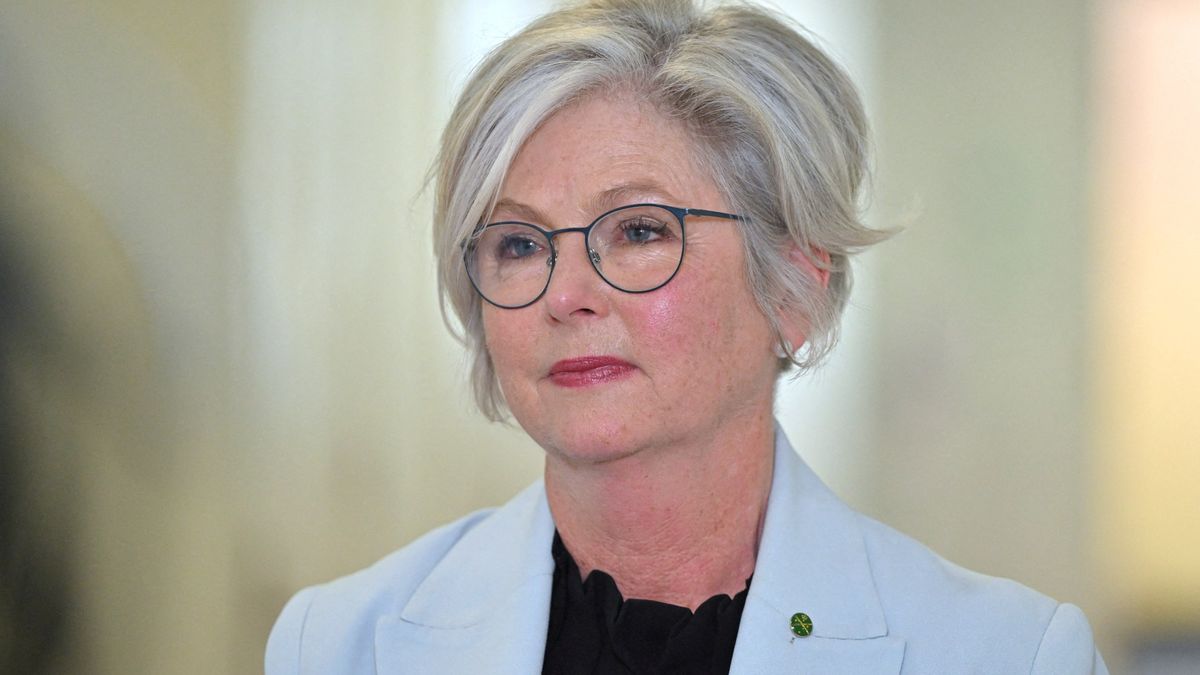
On Monday, Helen Haines, an independent federal MP for the Victorian seat of Indi, was hit by a Toyota Land Cruiser outside her constituency office in Wangaratta. The vehicle performed a U‑turn and struck her twice before a bystander intervened, and the driver was taken into custody. Haines, 65, underwent emergency surgery, lost a leg, and remains in critical condition in a Melbourne hospital.
The attack cannot be read simply as a random act of violence; it sits at the intersection of several structural forces shaping Australian politics. First, the Australian Federal Police have documented a steady rise in threats against elected officials, reflecting a broader erosion of civil discourse and the normalization of intimidation tactics. Second, Prime Minister Anthony Albanese’s government has struggled to balance the country’s liberal tradition of open access to representatives with the need for heightened security—a dilemma amplified by limited resources and a historically low security budget for backbenchers. Third, the political landscape has become increasingly polarized, with independent MPs like Haines often positioned as vocal critics of both major parties, making them attractive targets for fringe elements seeking to signal dissent. Finally, the legal framework—particularly the offence of causing harm to a Commonwealth public official—carries a maximum ten‑year sentence, but its deterrent effect is uncertain in an environment where extremist narratives can spread rapidly online.
The most visible victim is Helen Haines herself, who now faces a lifetime of disability, rehabilitation, and the psychological trauma of an attack that was meant to silence her voice. Her family and staff also bear the emotional burden of uncertainty and the practical challenges of caring for a loved one in intensive care. The local community of Wangaratta, already grappling with limited medical facilities, has been thrust into a national spotlight, straining local resources and prompting a surge of solidarity protests that risk further polarisation.
- Ricky Jefferies, a former nurse who intervened, risked his own safety to restrain the driver and retrieve a knife, highlighting the reliance on ordinary citizens to fill security gaps.
- Small‑business owners in the region report a dip in foot traffic as fear spreads, affecting livelihoods that depend on a stable, safe environment.
- Across the nation, politicians report heightened anxiety, with many opting to limit public appearances, thereby reducing direct constituent engagement and eroding democratic accessibility.
Official statements have framed the incident as an “isolated” event, but several layers remain under‑reported. First, the motive of the 43‑year‑old driver from Tarrawingee is still unknown; investigators have not disclosed whether extremist ideology, personal grievance, or financial incentive played a role. This opacity allows speculation to fill the vacuum, often inflating fear without accountability.
- Political polarization: Media coverage has largely avoided linking the attack to the broader climate of online harassment, missing an opportunity to examine how partisan echo chambers may embolden violent actors.
- Security budget: While the government has pledged a review of parliamentary protection, the actual allocation of funds remains vague, leaving many MPs—especially independents—without adequate personal security details.
- Foreign actors: Intelligence agencies have not ruled out the possibility of external influence, a point that is deliberately downplayed to avoid diplomatic fallout, yet the pattern of attacks on democratic figures worldwide suggests a need for vigilance.
The coming weeks will reveal whether the incident triggers substantive policy shifts or remains a footnote in a longer trend. Key indicators to monitor include:
- Parliamentary security reforms: Any amendment to the offence statutes, increased funding for personal protection, or new protocols for constituency visits will signal the government’s willingness to confront the threat.
- Legislative review of online harassment: Proposals to criminalise coordinated digital abuse could reshape the digital public sphere and affect how political discourse is conducted.
- Public sentiment: Opinion polls measuring trust in political institutions after the attack will indicate whether fear translates into disengagement or a rally‑around‑the‑flag effect.
- Investigation outcomes: The charges filed against the driver and any disclosed motive will either confirm the “isolated” narrative or expose a deeper network of hostility toward elected officials.
By watching these developments, citizens can gauge whether Australia will reinforce democratic resilience or allow intimidation to erode the very accessibility that defines its political culture.
Investigators have not released a definitive motive. Authorities are exploring possibilities ranging from personal grievance to extremist ideology, but no conclusive evidence has been made public.
The government has pledged a review of parliamentary security, which could lead to stricter protection protocols and increased funding for personal security, especially for backbenchers and independents.
Editor's Note: Analysis based on publicly available reports; motive details remain under investigation.
Source referenced: ALJAZEERA
This brief was synthesized by our Editorial Engine and reviewed by The Ground Narrative team.


