TRENDING

Sunday, 18 October 2026
----------------------
7 Jumada Al-Awwal 1448 AH
The exile of a Russian father and daughter to France, following the father's conviction for 'discrediting the army' after his child drew an anti-war picture, underscores the severe suppression of dissent within Russia. This incident highlights the Kremlin's escalating efforts to control public narrative and the profound human cost of opposing the war in Ukraine.
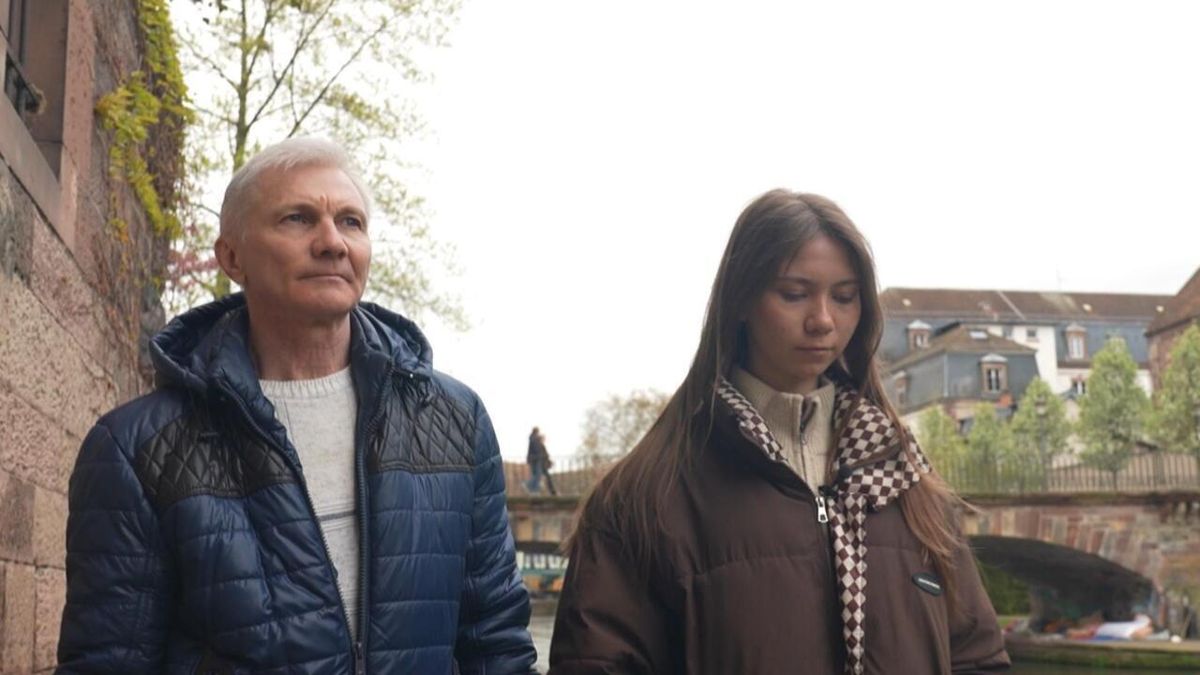
In March 2022, a seemingly innocuous act by a 12-year-old girl named Maria in Russia ignited a chain of events that culminated in her and her father's exile to Strasbourg, France. Maria's anti-war drawing, created at school in response to Russia's full-scale invasion of Ukraine a month prior, was reported to authorities. This led to an immediate investigation by the Federal Security Service (FSB) at both her school and home, signaling the state's zero-tolerance policy towards any perceived opposition to the conflict.
The repercussions extended swiftly to Maria's father, who was subsequently arrested for supporting his daughter and speaking out against the war. He was convicted under Russia's stringent laws against "discrediting the Russian army," a legal framework introduced shortly after the invasion to criminalize critical reporting or public statements about the military and its actions in Ukraine. Following his release from a penal colony, the father and daughter were compelled to leave Russia, seeking refuge in France.
This case is a stark illustration of the Russian state's systematic crackdown on internal dissent, which has intensified dramatically since February 2022. The law against "discrediting the Russian army" has become a powerful tool for silencing critics, transforming ordinary expressions of opinion into criminal offenses. The broad and often vague interpretation of this law allows authorities to target individuals for actions ranging from social media posts to public protests, and, as seen here, even a child's artistic expression.
The incident underscores a significant erosion of civil liberties and freedom of expression within Russia. The involvement of the FSB in a case stemming from a child's drawing demonstrates the pervasive reach of state surveillance and the chilling effect it has on society. The reporting of Maria by "those around her" further highlights how state-sanctioned narratives and fear can foster an environment where citizens are incentivized or pressured to report on their peers, creating a climate of distrust and self-censorship.
From a geopolitical perspective, the family's exile carries multiple layers of significance. Firstly, it reinforces the international perception of Russia as an increasingly authoritarian state, where fundamental human rights, particularly freedom of speech, are severely curtailed. Such incidents contribute to Russia's diplomatic isolation and deepen the divide between Moscow and Western democracies, which often condemn these actions as violations of international human rights norms.
Secondly, the case exemplifies the human cost of Russia's war in Ukraine, not only for those directly affected by the conflict but also for Russian citizens who oppose it. The growing number of Russians seeking refuge abroad due to political persecution represents a brain drain and a loss of potential internal opposition, further consolidating the Kremlin's power domestically. These refugees often face complex challenges in their host countries, adding to broader European migration and integration issues.
Finally, the severity of the state's response to a child's drawing reveals the fragility of the official narrative surrounding the "special military operation." The Kremlin's intolerance for even the slightest deviation from its approved discourse suggests an underlying insecurity about public opinion and a determination to maintain absolute control over information. This strategy, while effective in suppressing overt dissent, risks alienating segments of the population and fostering deeper resentment.
The story of Maria and her father is more than an isolated incident; it is a potent symbol of the current political climate in Russia and the profound challenges faced by those who dare to voice opposition. It illustrates the extent to which the Russian state is willing to go to enforce its narrative and suppress any form of dissent, regardless of its origin or perceived threat. As the war in Ukraine continues, the international community will likely witness more such cases, further highlighting the internal dynamics of Russia and its evolving relationship with global human rights standards. The family's journey to Strasbourg serves as a poignant reminder of the ongoing struggle for freedom of expression in an increasingly controlled environment, and the enduring human desire for peace and justice.
Source referenced: FRANCE24
This brief was synthesized by our Editorial Engine and reviewed by The Ground Narrative team.