TRENDING

Monday, 19 October 2026
----------------------
8 Jumada Al-Awwal 1448 AH
A 24-hour general strike in Portugal has disrupted transport, schools, and hospitals, as unions protest government plans to reform labor laws, which they claim will worsen workers' conditions.
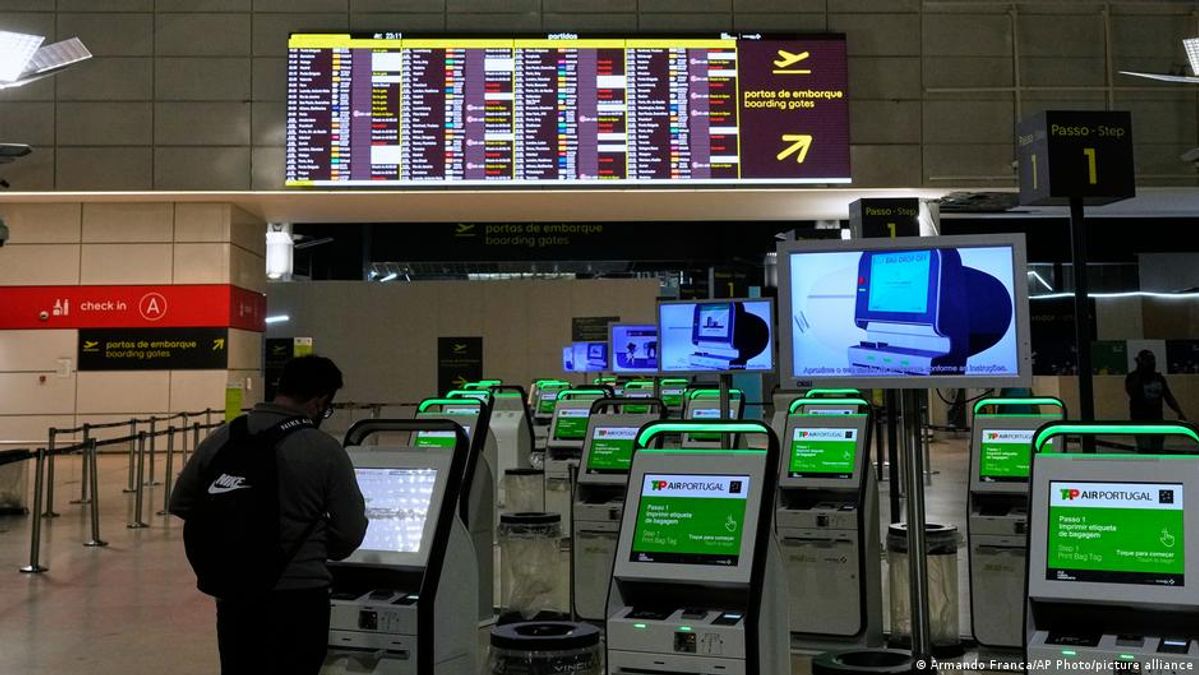
Portugal has been hit by its second general strike in six months, with transport, schools, and hospitals all impacted by the industrial action. The strike, called by unions in protest at plans by the government to reform labor laws, has caused significant disruption to services, including air travel.
The labor code reform package put forward by Portugal's minority center-right government is likely to pass with support from the far-right Chega party. The reforms aim to boost productivity and spur growth, but unions argue that they will worsen workers' conditions, making it easier for employers to dismiss staff and reducing protections for young workers.
The general strike is a test of the government's resolve to push through its labor reforms, which have been met with resistance from unions and opposition parties. The outcome of the strike will have significant implications for the country's labor market, with potential consequences for workers' rights and the overall economy.
Portugal has a history of labor unrest, with general strikes taking place in 2013 in protest against austerity measures. The current strike is the third general shutdown in the country since then. The government's decision to push through labor reforms has been met with opposition from unions, who argue that it will exacerbate existing social and economic issues.
The general strike has significant regional implications, with transport and air travel disrupted across the country. The strike has also had an impact on schools and hospitals, with many services suspended or reduced.
The outcome of the strike will have significant consequences for the country's labor market and economy. If the government is able to push through its labor reforms, it could lead to increased productivity and growth, but at the cost of workers' rights and protections. If the strike is successful in blocking the reforms, it could lead to a more stable labor market, but with potential consequences for the economy.
The strike has been called by unions, including the CGTP, which represents over 600,000 workers. The government has said that it will not back down on its labor reforms, with the support of the far-right Chega party.
The strike took place on Wednesday, with protests and marches planned across the country. The metro in Lisbon was shut, and long-distance trains and most regional services were suspended.
The strike is a response to the government's plans to reform labor laws, which unions argue will worsen workers' conditions. The government has said that the reforms aim to boost productivity and spur growth.
The outcome of the strike will have significant implications for the country's labor market and economy. If the government is able to push through its labor reforms, it could lead to increased productivity and growth, but at the cost of workers' rights and protections. If the strike is successful in blocking the reforms, it could lead to a more stable labor market, but with potential consequences for the economy.
The general strike in Portugal is a test of the government's resolve to push through its labor reforms, which have been met with resistance from unions and opposition parties. The outcome of the strike will have significant implications for the country's labor market and economy, with potential consequences for workers' rights and protections. The strike is a reminder of the ongoing tensions between labor and government in Portugal, and the need for a more stable and equitable labor market.
Editor's Note: The analysis is based on available information and may be subject to change as more information becomes available.
Source referenced: DW
This brief was synthesized by our Editorial Engine and reviewed by The Ground Narrative team.