TRENDING

Saturday, 24 October 2026
----------------------
13 Jumada Al-Awwal 1448 AH
A 7.8-magnitude earthquake has struck the southern Philippines, killing at least 35 people and injuring over 200. The disaster highlights the region's vulnerability to natural disasters and raises concerns about the Philippines' preparedness and the impact on regional stability.
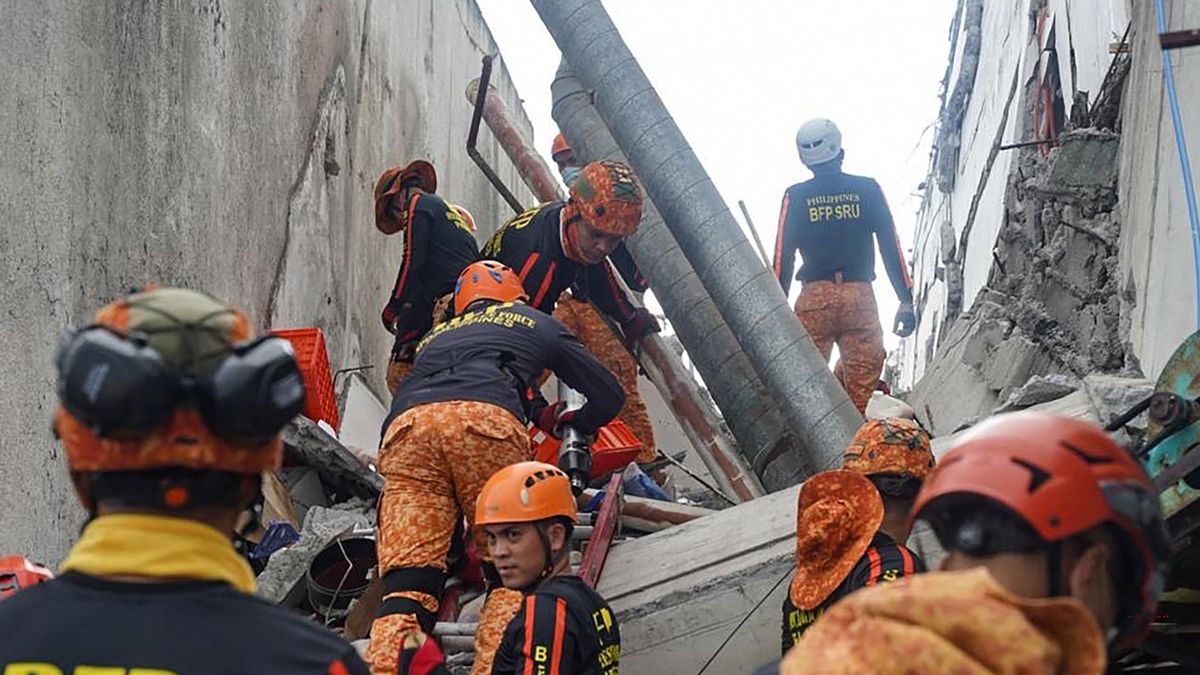
The 7.8-magnitude earthquake that struck the southern Philippines on June 8, 2026, is a stark reminder of the region's vulnerability to natural disasters. The disaster has claimed at least 35 lives, injured over 200 people, and left a trail of destruction in its wake. As the Philippines struggles to come to terms with the aftermath, the international community is watching with concern.
The Philippines is located on the Pacific Ring of Fire, an arc of seismic faults that encircles the Pacific Ocean. This region is prone to earthquakes, volcanic eruptions, and tsunamis, making it one of the most seismically active areas in the world. The Philippines' location on the Ring of Fire makes it particularly susceptible to natural disasters, and the country has a long history of experiencing devastating earthquakes and volcanic eruptions.
The earthquake has raised concerns about the Philippines' preparedness for natural disasters. The country's disaster response agencies have been criticized for their slow response to the disaster, and the government's decision to cancel classes and direct disaster-response agencies to immediately get to work in quake-hit provinces has been seen as a positive step. However, the international community is watching to see how the Philippines will respond to this disaster and whether it will learn from its mistakes.
The earthquake has also highlighted the importance of regional cooperation in the face of natural disasters. The Philippines' neighbors, including Indonesia, Malaysia, and Singapore, have expressed support for the country's disaster response efforts. The United States, an ally of the Philippines, has also offered its support, while France, Japan, and New Zealand have expressed their condolences. The earthquake is a reminder that natural disasters know no borders, and that regional cooperation is essential in responding to these disasters.
The earthquake is a wake-up call for Southeast Asia, a region that is increasingly vulnerable to natural disasters. The region's growing population, urbanization, and climate change are all contributing factors to the increasing frequency and severity of natural disasters. The Philippines' experience is a stark reminder of the need for regional cooperation, preparedness, and resilience in the face of natural disasters.
The 7.8-magnitude earthquake that struck the southern Philippines on June 8, 2026, is a devastating disaster that has claimed lives, injured people, and left a trail of destruction. The disaster is a wake-up call for Southeast Asia, a region that is increasingly vulnerable to natural disasters. The international community is watching with concern, and the Philippines' response to this disaster will be a test of its preparedness and resilience. As the region looks to the future, it is clear that natural disasters will continue to pose a significant threat, and that regional cooperation, preparedness, and resilience will be essential in responding to these disasters.
Editor's Note: The analysis is based on available information and may be subject to change as more information becomes available.
Source referenced: ALJAZEERA
This brief was synthesized by our Editorial Engine and reviewed by The Ground Narrative team.