TRENDING

Thursday, 15 October 2026
----------------------
4 Jumada Al-Awwal 1448 AH
Pakistan's army chief visits Tehran to push for an end to the US-Israeli war on Iran, amidst recent progress in talks and warnings of devastating consequences.
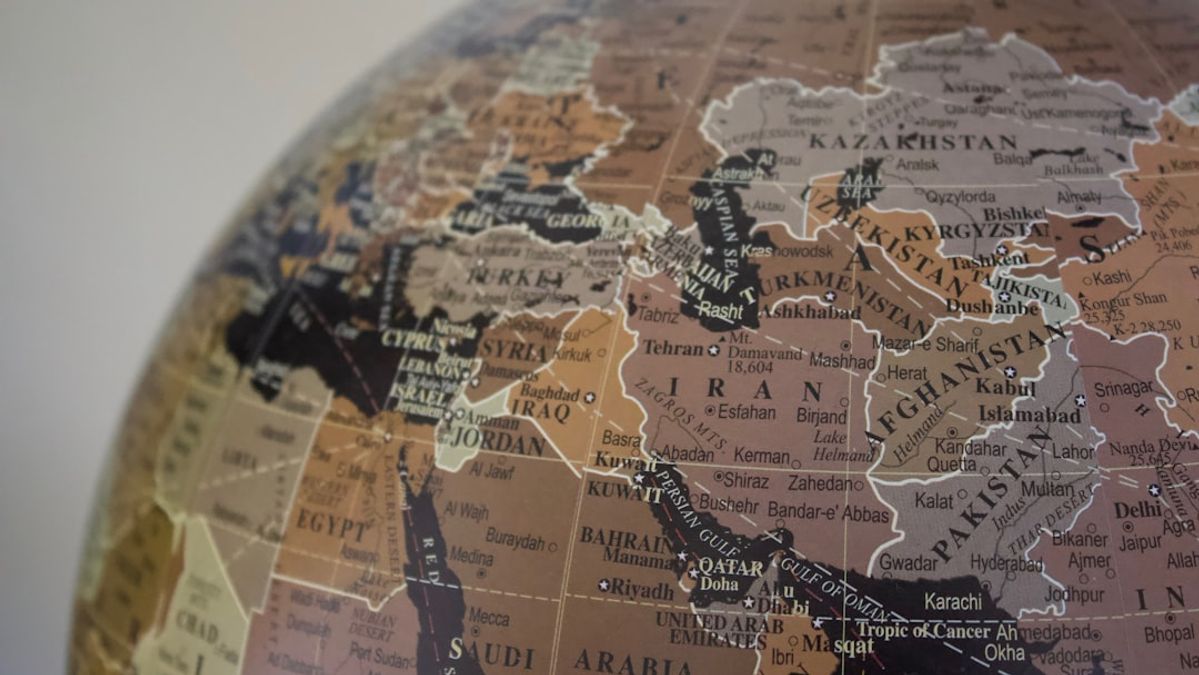
Field Marshal Syed Asim Munir's visit to Tehran marks a significant development in the ongoing efforts to bring an end to the US-Israeli war on Iran. The visit, which took place on Saturday, saw the Pakistani army chief meet with senior Iranian officials, including President Ebrahim Raisi, to discuss the prospects of a permanent ceasefire.
Pakistan's decision to push for an end to the war on Iran is driven by a complex set of strategic motivations. On one hand, Islamabad seeks to strengthen its ties with Tehran, which has been a key player in the region's geopolitics for decades. By supporting Iran's efforts to end the war, Pakistan aims to enhance its influence in the region and secure its own interests.
On the other hand, Pakistan's push for a ceasefire is also motivated by a desire to counter the growing influence of India in the region. With India's growing ties with the US and Israel, Pakistan sees an opportunity to counterbalance its rival's influence by strengthening its ties with Iran.
The US-Israeli war on Iran has been a contentious issue for years, with both sides accusing each other of aggression. The war has had devastating consequences for the region, including the displacement of millions of people and the destruction of critical infrastructure.
Pakistan's diplomatic push for an end to the war is a significant development in the region's geopolitics. If successful, it could lead to a permanent ceasefire and a significant reduction in tensions between the US and Iran. However, the consequences of failure would be catastrophic, with the potential for further escalation and devastating consequences for the region.
The future consequences of Pakistan's diplomatic push for an end to the war on Iran are uncertain. While recent progress in talks suggests that a ceasefire may be possible, the road ahead will be fraught with challenges.
The US and Israel are unlikely to give up their military campaign against Iran without a fight, and Tehran is unlikely to compromise on its core interests. Pakistan's diplomatic efforts will need to navigate this complex web of interests and alliances to achieve a lasting ceasefire.
Pakistan's diplomatic push for an end to the US-Israeli war on Iran is a significant development in the region's geopolitics. While the motivations behind this push are complex and multifaceted, the potential consequences of success or failure are significant. As the region teeters on the brink of further escalation, Pakistan's efforts to bring an end to the war will be closely watched by observers around the world.
Source referenced: ALJAZEERA
This brief was synthesized by our Editorial Engine and reviewed by The Ground Narrative team.


