TRENDING

Tuesday, 27 October 2026
----------------------
16 Jumada Al-Awwal 1448 AH
Israeli Prime Minister Benjamin Netanyahu's prolonged war on Iran has accelerated political realignments and sharpened divisions within Israel, threatening his coalition and leadership.
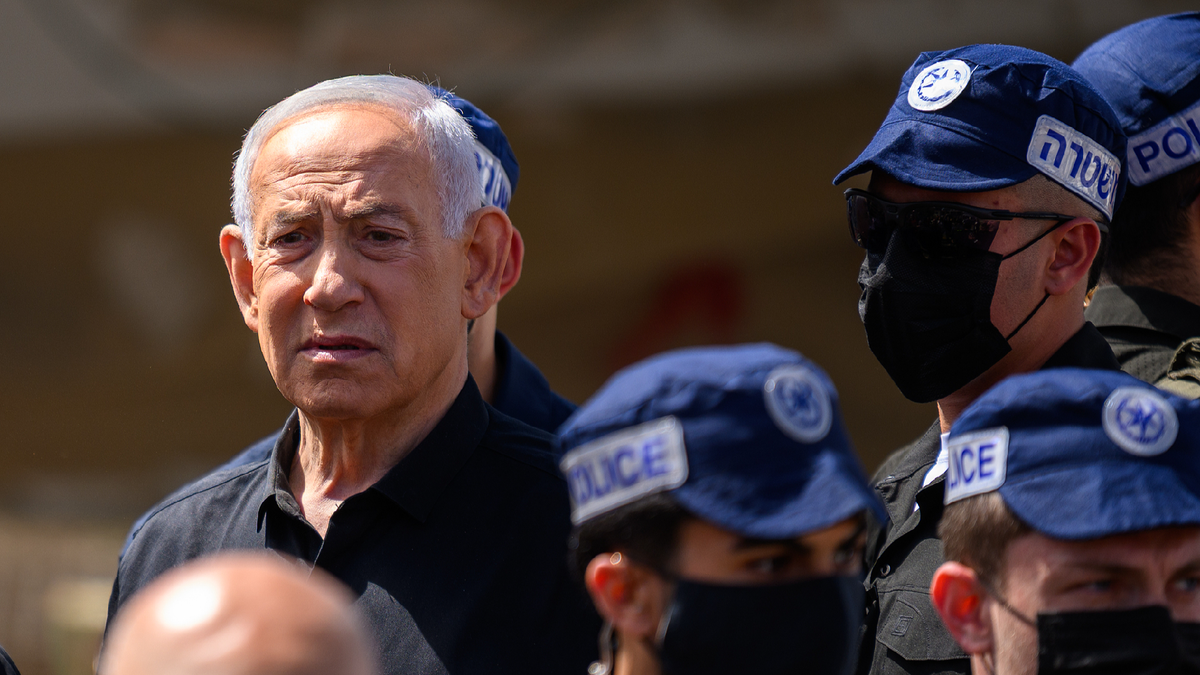
Israeli Prime Minister Benjamin Netanyahu's war on Iran has entered its second year, with the conflict showing no signs of abating. The prolonged fighting has accelerated political realignments and sharpened divisions within Israel, threatening Netanyahu's coalition and leadership.
The war began in June 2025, with Israel launching direct strikes on Iran. Initially, the military campaign strengthened Netanyahu's image as Israel's wartime leader. However, the boost proved temporary as hostilities evolved into a prolonged regional struggle. The conflict this year triggered months of instability that have extended from Iran to Lebanon.
The persistence of the conflict has produced a familiar paradox for Netanyahu. Security crises have historically strengthened his standing as a leader experienced in war, but the absence of a decisive end has revived questions over strategy and governance. Political pressure has intensified as Israelis confront military fatigue, economic strain, and continued uncertainty over the country's long-term security objectives.
A long-running dispute over military service for ultra-Orthodox (Haredi) Jews has emerged as one of the biggest threats to Netanyahu's coalition. In June 2024, Israel's Supreme Court ruled unanimously that the decades-old exemption allowing Haredi men enrolled in religious schools to avoid military service lacked a legal basis and ordered the state to begin drafting them. The decision dealt a major blow to the ultra-Orthodox parties, who reject compulsory military service for most Haredi men.
The strains inside Netanyahu's coalition have given the opposition an opportunity to regroup around a broader anti-Netanyahu platform. In April, former prime ministers Naftali Bennett and Yair Lapid unveiled the Together alliance, with Bennett taking the lead. Opinion polls have since shown the bloc emerging as one of Likud's strongest rivals.
Bennett's return has reshaped the opposition landscape. Unlike Lapid, who is closely associated with Israel's center-left, Bennett brings credentials as a former right-wing prime minister and has sought to appeal to voters who remain hawkish on security but have become increasingly dissatisfied with Netanyahu's leadership. Calls for term limits, a state inquiry into the failures surrounding Hamas' October 7 attack, and constitutional reforms have allowed him to position himself as an alternative without abandoning conservative positions on national security.
The prolonged conflict with Iran has exposed cracks within Netanyahu's coalition and has given the opposition an opportunity to regroup. The rise of Bennett and the Together alliance has complicated the dynamics within Israel's broader right-wing camp. As the country navigates the complexities of its war with Iran, it is clear that Netanyahu's leadership is under threat. The question remains: who will lead Israel in the post-war era?
The war on Iran has redrawn Israel's political fault lines, threatening Netanyahu's coalition and leadership. The prolonged conflict has accelerated political realignments and sharpened divisions within Israel. As the country navigates the complexities of its war with Iran, it is clear that Netanyahu's leadership is under threat. The future of Israel's politics remains uncertain, but one thing is clear: the war on Iran has changed the country's electoral landscape forever.
Editor's Note: The analysis is based on publicly available information and may not reflect the full complexity of the situation.
Source referenced: CGTN
This brief was synthesized by our Editorial Engine and reviewed by The Ground Narrative team.