TRENDING

Friday, 16 October 2026
----------------------
5 Jumada Al-Awwal 1448 AH
Israeli Prime Minister Benjamin Netanyahu faces backlash over his cautious approach to Lebanon, sparking debate on appeasement and domestic politics.
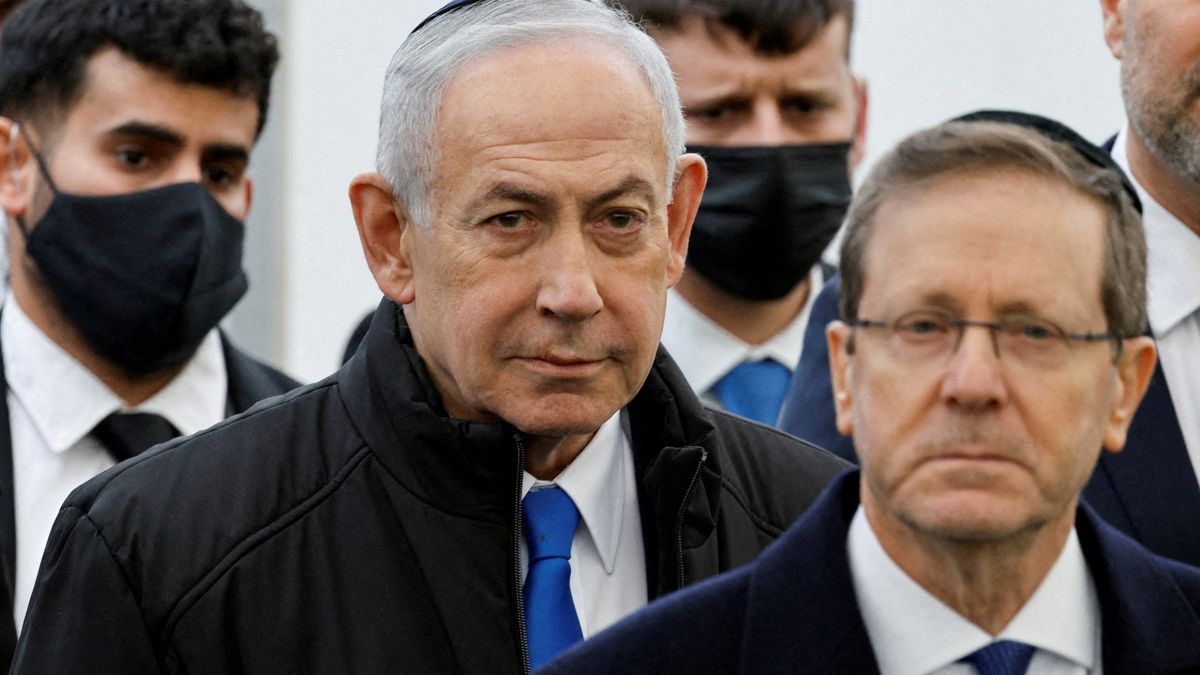
Benjamin Netanyahu's decision to hold back on bombing Beirut has sparked a heated debate in Israel, with hawkish voices accusing him of appeasement and prioritizing his own political survival over national security. This development is not an isolated incident, but rather a symptom of a broader strategic calculus that has been unfolding in the Middle East.
The Israeli-Lebanese conflict has a long and complex history, with multiple flashpoints and unresolved issues. The 2006 Lebanon War, which saw Israel's military campaign against Hezbollah, remains a contentious issue. Netanyahu's government has been criticized for its handling of the conflict, with many accusing him of being too soft on Iran-backed militias.
Netanyahu's decision to hold back on bombing Beirut has significant regional implications. It suggests that Israel is willing to prioritize diplomatic efforts over military action, at least for now. This may be a calculated gamble to avoid further escalation and maintain regional stability. However, it also raises questions about Israel's credibility and willingness to take decisive action against its enemies.
The consequences of Netanyahu's decision will be far-reaching. If he is seen as too soft on Iran-backed militias, it may embolden them to continue their aggression. On the other hand, if he is able to negotiate a peaceful resolution, it may set a precedent for future conflicts. The international community, particularly the United States, will be watching closely to see how Netanyahu's strategy plays out.
Editor's Note: While Netanyahu's motivations are unclear, it is likely that his decision is driven by a combination of strategic and domestic considerations.
Source referenced: ALJAZEERA
This brief was synthesized by our Editorial Engine and reviewed by The Ground Narrative team.