TRENDING

Tuesday, 27 October 2026
----------------------
16 Jumada Al-Awwal 1448 AH
A former PLO official suggests Israel’s two biggest political rivals could join forces. The analysis unpacks the incentives, the hidden costs, and the signals that matter for ordinary citizens.
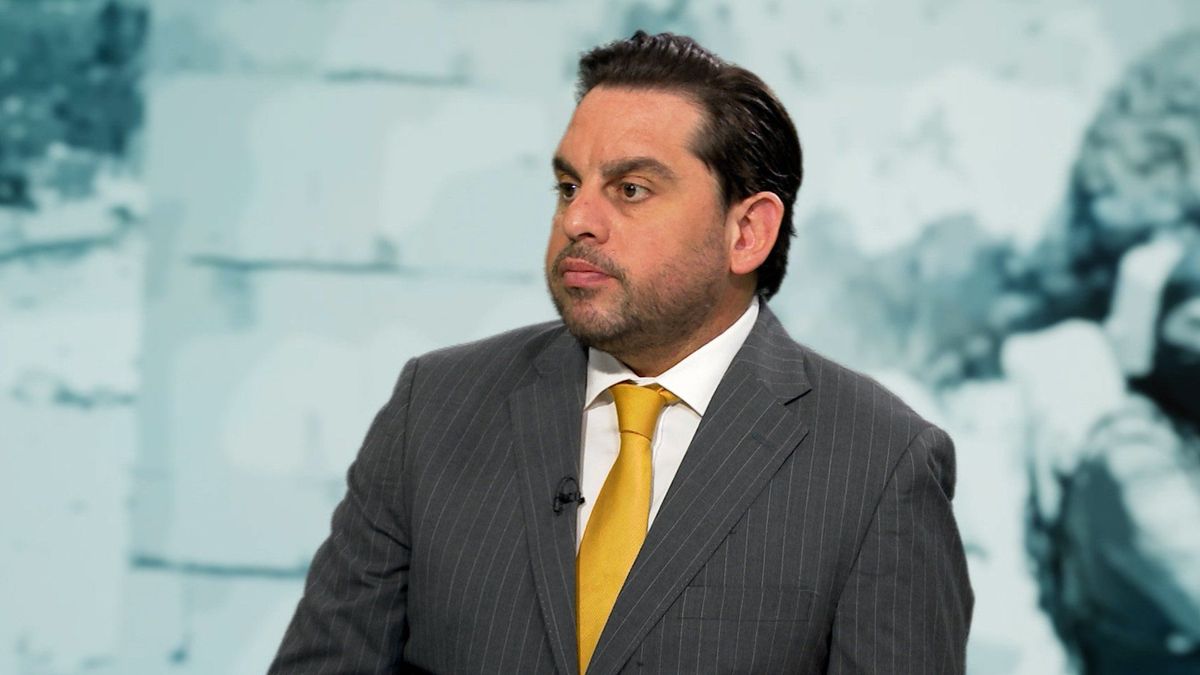
Former PLO official Xavier Abu Eid told Al Jazeera that Israel’s looming election could end with a national‑unity cabinet led by Benjamin Netanyahu and Gadi Eisenkot. Polls remain split, but the commentator argues that despite stark policy differences the two leaders might bridge the gap to secure a governing majority. The statement came as Israelis headed to the polls, and it immediately sparked debate across Israeli media and social platforms.
Israel’s Knesset requires a coalition of at least 61 of 120 seats. Netanyahu’s Likud party, while still the largest single bloc, fell short of that threshold in the latest vote. Eisenkot’s Blue and White alliance, though smaller, holds a crucial swing vote that could tip the balance. Both leaders face internal pressure: Netanyahu must stave off a potential criminal indictment fallout, while Eisenkot needs to prove his relevance after a series of ministerial defeats. A joint cabinet offers a way to lock in parliamentary support and avoid a costly third election.
Both politicians built their careers on security credentials. Netanyahu’s hard‑line stance on Iran and the Palestinian territories has defined his brand, while Eisenkot’s military background gives him credibility on defense matters. By pooling their security portfolios, they can present a united front to the United States and regional adversaries, signaling continuity even as domestic politics shift. This calculus also cushions each leader from having to concede on contentious issues like settlement expansion or annexation plans.
Washington watches Israeli coalition talks closely, as a stable government is essential for ongoing U.S.‑Israel security cooperation. Yet the U.S. administration has signaled a preference for a moderate, centrist partner that can keep the peace process alive, even if only symbolically. A Netanyahu‑Eisenkot alliance, while still right‑leaning, could be framed as a pragmatic compromise, allowing Washington to maintain aid flows without overtly endorsing hard‑line policies.
Israel’s economy faces a post‑pandemic slowdown, rising housing costs, and a looming budget deadline. Both parties need to secure fiscal credibility to attract foreign investment. A unity government can pool the ministries responsible for finance, industry, and innovation, presenting a unified economic agenda that reassures markets and the World Bank alike. The prospect of a joint budget also reduces the risk of a fiscal impasse that could trigger social unrest.
Coalition formation in Israel is as much about personal patronage as policy. Netanyahu’s extensive network of loyalists in ministries, media, and the settlement enterprise offers Eisenkot access to resources he lacks. Conversely, Eisenkot brings a cadre of younger technocrats and a reputation for clean governance that can temper criticism of Netanyahu’s corruption allegations. The exchange of ministerial posts becomes a zero‑sum game where each side protects its core constituencies.
A Netanyahu‑Eisenkot cabinet is unlikely to reverse settlement expansion or lift the blockade on Gaza. For Palestinians, the continuation of military checkpoints, home demolitions, and limited water access means daily hardship persists. Human‑rights groups warn that a unity government could embolden hard‑line elements, leading to intensified raids and arrests that further strain civilian life.
While a strong coalition may project stability, it also consolidates power to pursue aggressive security operations. Residents of border towns near Lebanon and the Gaza Strip could see increased military drills, curfews, and the risk of collateral damage from escalations. Moreover, the political merger may sideline dissenting voices, limiting public debate on issues like conscription and civil liberties.
The joint budget promises macro‑stability, but the benefits may not trickle down to low‑income families. Housing prices in Tel Aviv and Jerusalem have surged, and wage growth remains stagnant. A coalition focused on high‑tech growth could widen the gap between affluent tech workers and workers in traditional sectors, deepening social stratification.
Jewish diaspora groups in the United States, Europe, and Latin America watch Israeli politics for cues on communal security and anti‑antisemitism policies. A coalition that leans toward a hard‑line stance may embolden extremist elements abroad, while also alienating more liberal diaspora members who favor a negotiated peace with the Palestinians.
Xavier Abu Eid is not a mainstream Israeli commentator; his background gives him a unique lens on power negotiations. By suggesting a coalition, he may be signaling to Palestinian leadership that a unified Israeli government could be more predictable, allowing the PA to calibrate its diplomatic outreach. The statement also serves to test Israeli public reaction without direct involvement from Palestinian officials.
Mainstream Israeli outlets have largely portrayed the coalition talk as a “political necessity,” downplaying the ideological concessions each side must make. Critical voices that question the impact on settlement policy or the peace process are often relegated to op‑eds, limiting public scrutiny of the deeper trade‑offs.
The U.S. State Department has issued vague statements about “supporting a stable Israeli government,” avoiding specifics on coalition composition. This silence may be intentional, allowing Washington to preserve leverage regardless of which partners emerge, while also sidestepping domestic criticism from progressive lawmakers demanding a stronger stance on Palestinian rights.
Powerful pro‑settlement NGOs and political action committees have quietly lobbied both Netanyahu and Eisenkot, promising campaign contributions in exchange for guarantees on land policy. Their role is rarely disclosed in public statements, yet they shape the bargaining floor by threatening to withdraw support if settlement freezes are on the table.
The Hamas and Fatah factions remain divided over how to engage with a potential Israeli unity government. While some see an opportunity for indirect talks, others view any Israeli coalition as a continuation of occupation. This internal split reduces the likelihood of a coordinated Palestinian response, leaving civilians to bear the brunt of policy continuity.
The final Knesset tally will reveal whether Netanyahu or Eisenkot holds a decisive edge. Close margins could force a broader coalition that includes smaller religious or Arab parties, altering the policy calculus dramatically.
Watch the portfolios assigned to each leader, especially the Defense, Finance, and Settlements ministries. Clauses that lock in settlement expansion or maintain the Gaza blockade will signal the coalition’s long‑term trajectory.
The European Union, United Nations, and U.S. Congress will issue statements once the coalition is formalized. Any conditionality attached to aid or diplomatic support will indicate how much external pressure can be exerted on the new government.
Civil society groups on both sides of the conflict will test the coalition’s legitimacy through demonstrations, legal challenges, and social media campaigns. The scale and persistence of these movements will affect the government’s ability to implement controversial policies.
Neighbors such as Jordan, Egypt, and Saudi Arabia may adjust their diplomatic posture based on the coalition’s stance toward the Iranian nuclear issue and the Palestinian peace process. Shifts in these relationships could reshape the broader Middle‑East balance of power.
By tracking these variables, ordinary citizens can gauge whether the Netanyahu‑Eisenkot partnership will merely preserve the status quo or open a narrow window for policy change that affects millions of lives.
It would likely maintain the current security and settlement policies, limiting progress toward a negotiated peace. Both leaders share a hard‑line stance, so major concessions are improbable.
Washington can condition aid and diplomatic support on specific policy commitments, but its public silence suggests it prefers to keep leverage regardless of the coalition’s composition.
Key indicators include the final seat count, ministerial portfolio allocations, and public statements from settlement lobby groups confirming policy guarantees.
Editor's Note: Analysis based on current polling and political statements; coalition dynamics can shift rapidly.
Source referenced: ALJAZEERA
This brief was synthesized by our Editorial Engine and reviewed by The Ground Narrative team.


