TRENDING

Thursday, 17 September 2026
----------------------
6 Rabi' Al-Thani 1448 AH
Morocco's upcoming election sees political parties vying for youth votes with promises of jobs and housing, but deep-seated disenchantment and a powerful monarchy limit their appeal. The real battle is between official economic narratives and the lived reality of widespread unemployment.
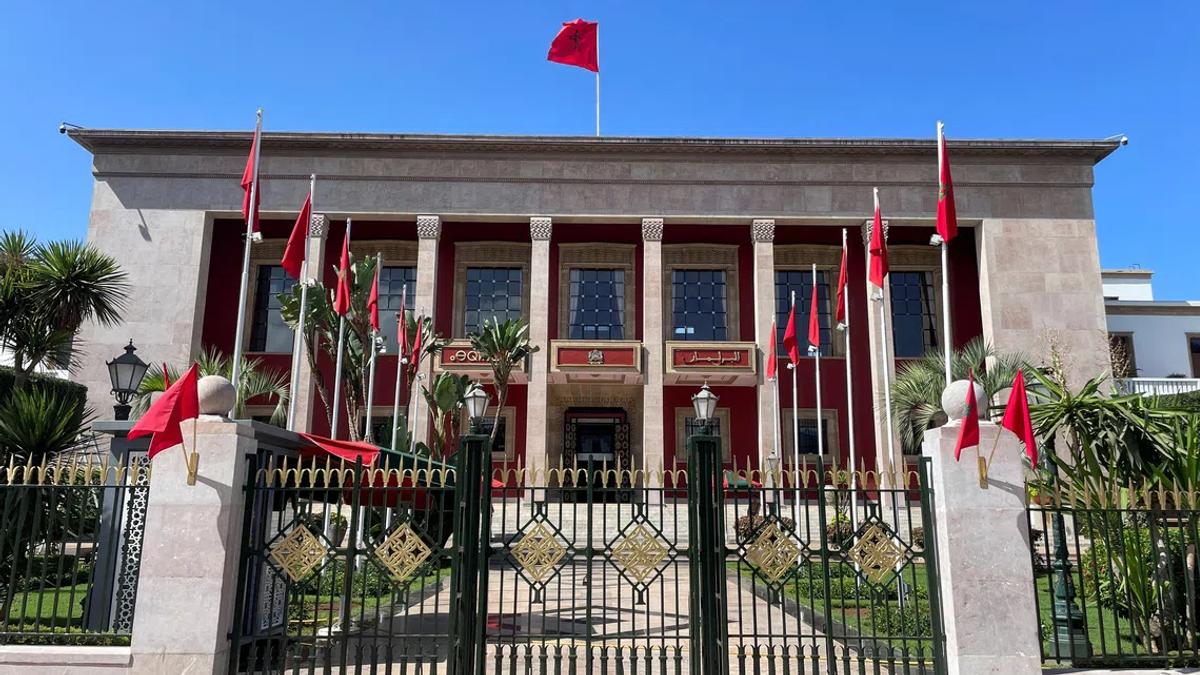
Morocco is preparing for parliamentary elections on September 23, with the leading political parties, including the National Rally of Independents (RNI) and the Authenticity and Modernity Party (PAM), heavily campaigning on promises of job creation and affordable housing. These efforts are a direct response to growing youth disenchantment, which manifested in violent protests last year and a significant border rush on the Spanish enclave of Ceuta, both driven by persistent economic hardship among young people despite broader national development. The election marks the fourth since the 2011 Arab Spring, which initially saw the monarchy share more power before consolidating its position in subsequent years.
At the heart of Morocco's political landscape is a system where the monarchy retains ultimate control over the country's overarching policy direction and key ministries like foreign affairs and interior. While elections occur, the ideological space between competing parties is narrow, as their primary role often becomes executing the palace's objectives rather than charting fundamentally different courses. This dynamic creates a political environment where, as analysts observe, the monarchy takes credit for successes, while elected governments bear the blame for failures. This structural arrangement limits the perceived agency of political parties and, consequently, the faith citizens place in the electoral process to deliver meaningful change. Despite ambitious national economic plans, such as the "New Development Model" aiming to double GDP per capita by 2035 through investments in sectors like deepwater ports and green energy, the benefits have not translated into widespread popular satisfaction, particularly among the youth.
The human cost of this political and economic disconnect is borne most heavily by Morocco's youth. Unemployment among 18- to 24-year-olds stands at approximately 27%, the highest of any age group, with one in three young Moroccans neither working, studying, nor training. This economic precarity fuels profound political alienation; surveys indicate only a third of Moroccans aged 18-35 trust parliament or political parties. The result is a significant withdrawal from formal politics, evidenced by the fact that 18- to 24-year-olds, who constitute 12% of the population, account for only about 3% of registered voters. The desperate border rush on Ceuta is a stark illustration of this disillusionment, described by one analyst as a "physical exit from Moroccan politics altogether," where young people are literally choosing to seek a future beyond the country's borders rather than engage with its political system.
Governments and official statements frequently highlight Morocco's economic diversification and ambitious growth targets, pointing to billions invested in infrastructure and key industries. However, this narrative often downplays or omits the significant "gap" between these "objectively measured economic performance" indicators and the lived realities and perceptions of ordinary citizens, especially the youth. The persistent high youth unemployment and uneven distribution of development benefits are often framed as challenges to be overcome within the existing framework, rather than symptoms of a structural power dynamic where elected parties have limited capacity to enact truly transformative policies. The ultimate authority of the monarchy, and how it circumscribes the political debate and policy options, remains largely unspoken in official discourse, creating an illusion of robust democratic competition where genuine ideological difference is constrained.
As Morocco heads to the polls, observers should watch not just the election results, but the immediate aftermath for signs of how the deep-seated youth disenchantment will evolve. Will the winning parties manage to bridge the credibility gap with young voters, or will their promises fall flat, leading to further political apathy or renewed social unrest? The trajectory of irregular migration attempts towards Europe, particularly from Morocco's younger population, will serve as a critical barometer of internal dissatisfaction. Ultimately, the stability of Morocco will hinge on the monarchy's ability to navigate this growing disconnect between its top-down development vision and the urgent aspirations of a young population increasingly demanding a tangible stake in their country's future, not just promises of one.
Source referenced: STRAITSTIMES
This brief was synthesized by our Editorial Engine and reviewed by The Ground Narrative team.


