TRENDING

Sunday, 25 October 2026
----------------------
14 Jumada Al-Awwal 1448 AH
A new book, Exit Stalin, by Cambridge historian Mark B. Smith, explores the Soviet Union's collapse through microhistories, revealing the complexities of everyday life and challenging the notion of inevitability.
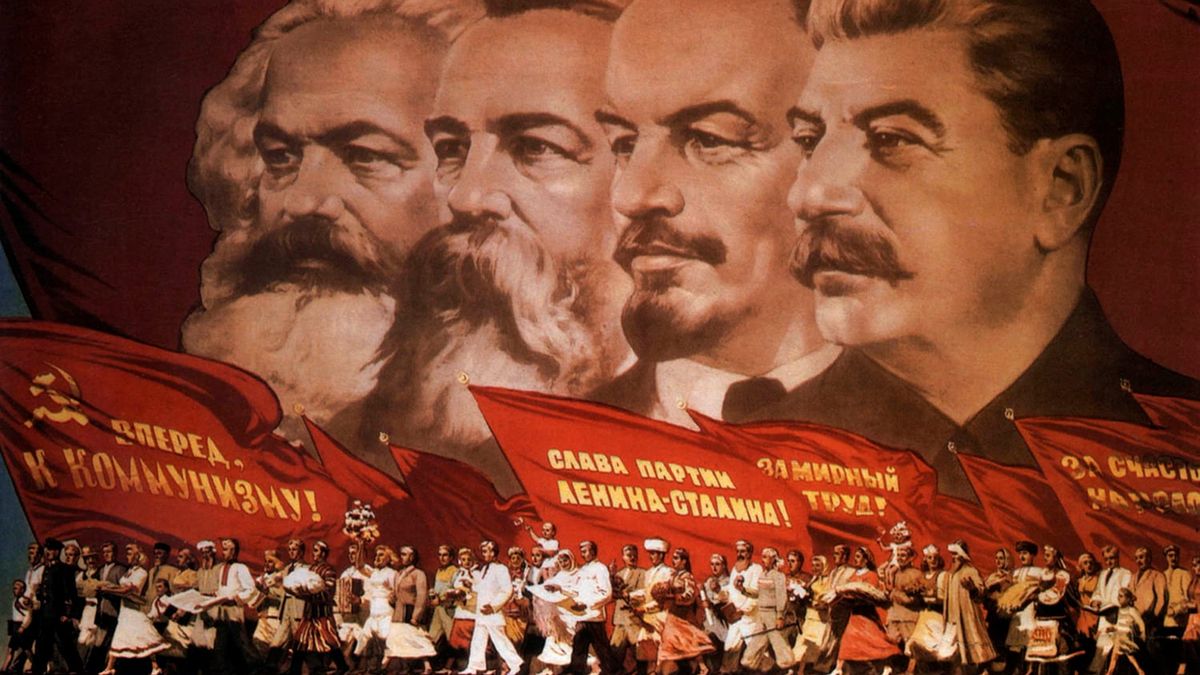
In recent years, a new approach to understanding Russia's past has emerged: microhistories. This scholarship focuses on the minutiae of everyday life, prioritizing the tangible aspects of history over large-scale events. One recent example is Yuri Slezkine's The House of Government: A Saga of the Russian Revolution (2017), which examines the private lives of Bolshevik elites who shared an apartment building.
Cambridge historian Mark B. Smith's Exit Stalin: The Soviet Union as a Civilization, 1953-1991, released in January, is another example of this approach. Like Slezkine, Smith looks under the hood of Soviet state machinery, revealing its many parts and how they fit together. However, unlike his peers, Smith also wrestles with the limitations of microhistory and its ability to make sense of Russia today.
Smith's research reveals that the Soviet collapse was not inevitable but contingent and therefore avoidable. By accepting contingency, Smith pushes back against the idea that the Soviet collapse guaranteed Putin's rise to power. This view is familiar from Russian literature and Soviet dissident culture, but it is also rooted in Western prejudice: in the belief that the Russian people, like those of other authoritarian regimes, are stuck in an unending cycle of one authoritarian regime replacing another.
Microhistories offer a unique perspective on Russia's past, one that challenges the notion of inevitability and highlights the complexities of everyday life. By focusing on the tangible aspects of history, microhistories provide a more nuanced understanding of the Soviet Union's collapse and its ongoing impact on Russia today.
As the field of microhistory continues to evolve, it is likely that we will see more scholars exploring the complexities of everyday life in Russia's past. This approach has the potential to provide a more nuanced understanding of Russia's history and its ongoing impact on the country today.
In conclusion, microhistories offer a unique perspective on Russia's past, one that challenges the notion of inevitability and highlights the complexities of everyday life. By focusing on the tangible aspects of history, microhistories provide a more nuanced understanding of the Soviet Union's collapse and its ongoing impact on Russia today.
Editor's Note: The analysis is based on the provided article and may not reflect the full scope of the book's content.
Source referenced: FOREIGNPOLICY
This brief was synthesized by our Editorial Engine and reviewed by The Ground Narrative team.