TRENDING

Sunday, 25 October 2026
----------------------
14 Jumada Al-Awwal 1448 AH
The recent boat capsizing off Malta, resulting in 10 recovered bodies, highlights the escalating migrant crisis in the Mediterranean. As the European Union considers deporting asylum seekers to third countries, the situation remains dire for refugees and migrants.
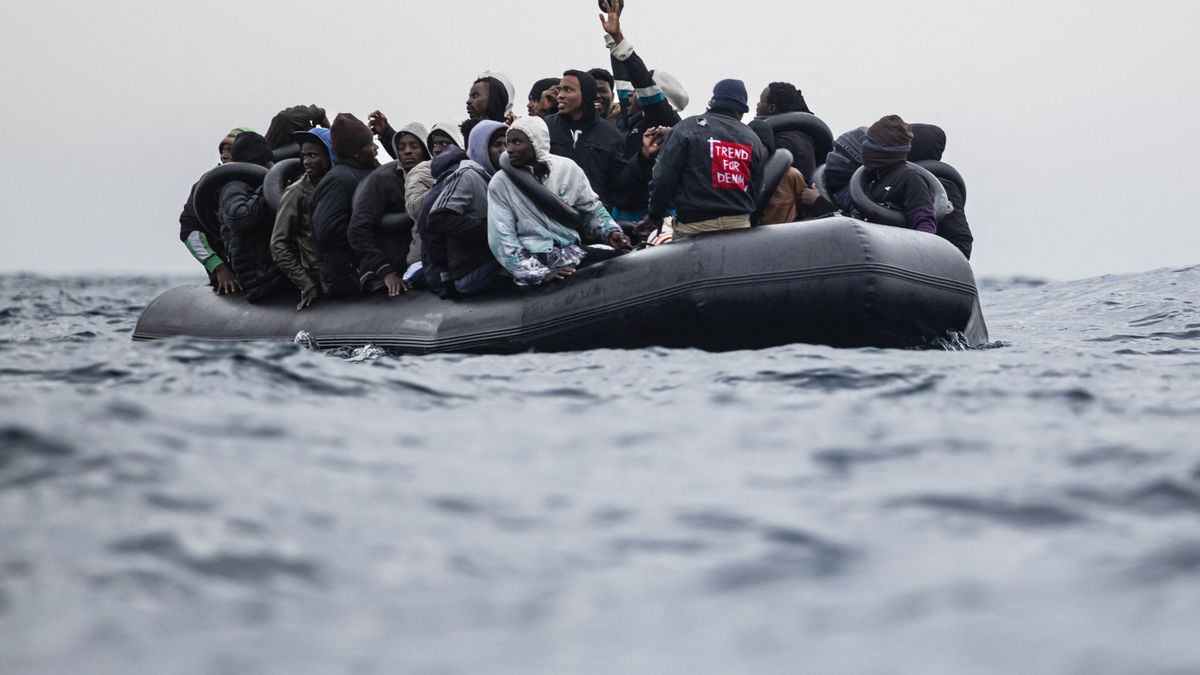
The recent boat capsizing off Malta, resulting in 10 recovered bodies, is a stark reminder of the escalating migrant crisis in the Mediterranean. The incident highlights the desperation and risk-taking behavior of refugees and migrants attempting to reach Europe.
The Mediterranean has long been a major migration route, with thousands of people attempting to cross the sea each year. However, the current crisis is particularly dire, with at least 990 people having died attempting to cross the Mediterranean this year alone. This marks one of the deadliest periods in the Mediterranean since 2014.
The European Union's proposed framework for deporting asylum seekers to third countries has sparked controversy and concern among human rights groups. The plan, which still requires formal approval, aims to establish "return hubs" outside the EU, but the exact locations have not been announced. This development raises questions about the EU's commitment to protecting the rights of refugees and migrants.
The migrant crisis has significant regional implications, particularly in North Africa. The recent protests in Libya outside the UN refugee agency headquarters demonstrate the growing tensions and concerns among locals regarding the influx of undocumented migrants. The Libyan government has accused the UN agency of seeking to settle migrants in the country, further exacerbating the situation.
The future consequences of the migrant crisis are uncertain, but one thing is clear: the situation will continue to deteriorate unless a comprehensive and humane solution is implemented. The EU's deportation plans may provide a temporary fix, but they do not address the root causes of the crisis. Instead, they risk further destabilizing the region and perpetuating the cycle of migration.
The EU's motivations for deporting asylum seekers to third countries are multifaceted. On one hand, the move is likely driven by a desire to stem the flow of migrants and alleviate pressure on European borders. On the other hand, it may be a strategic attempt to outsource the responsibility of managing the migrant crisis to third countries, thereby avoiding the political and social implications of dealing with the issue directly.
The Mediterranean migrant crisis is a complex and deeply concerning issue that requires a comprehensive and humane solution. The recent boat capsizing off Malta serves as a stark reminder of the desperation and risk-taking behavior of refugees and migrants attempting to reach Europe. As the EU considers deporting asylum seekers to third countries, it is essential to prioritize the rights and dignity of all individuals involved, rather than resorting to short-term fixes that may exacerbate the situation in the long run.
Editor's Note: The analysis is based on available data and information, but the future consequences of the migrant crisis are uncertain and may be influenced by various factors.
Source referenced: ALJAZEERA
This brief was synthesized by our Editorial Engine and reviewed by The Ground Narrative team.