TRENDING

Sunday, 18 October 2026
----------------------
7 Jumada Al-Awwal 1448 AH
Malawi's decision to repatriate its citizens from South Africa underscores a growing regional crisis fueled by recurring xenophobic attacks and economic anxieties. This move highlights the severe diplomatic and humanitarian challenges facing Southern Africa, demanding urgent attention to both security and socio-economic disparities.
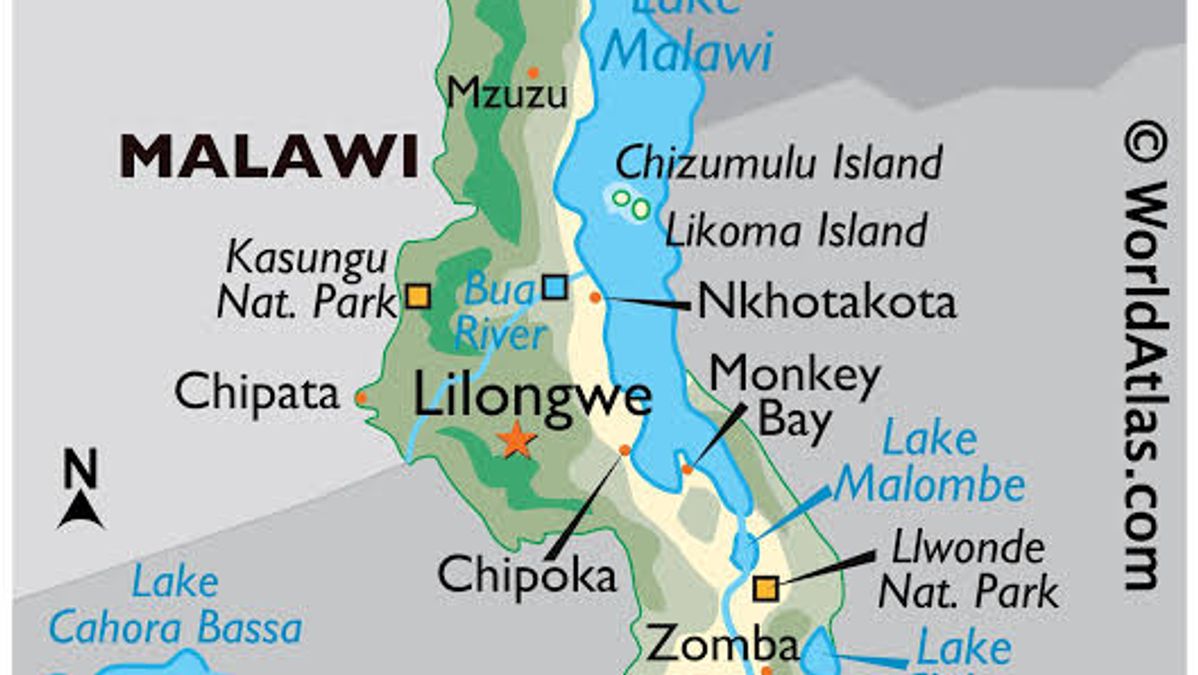
Malawi's recent announcement to repatriate its citizens from South Africa marks a significant escalation in the ongoing crisis of xenophobic violence plaguing the continent's largest economy. On June 3, 2026, Malawi's Ministry of Foreign Affairs confirmed plans to assist nationals seeking to leave South Africa, following similar actions by countries like Ghana, which repatriated hundreds of its citizens last week, and Mozambique, which reported five of its nationals killed in violence in Mossel Bay over the weekend. This collective response from neighboring states underscores the severe humanitarian and diplomatic strain placed upon the Southern African region.
The recurring wave of anti-immigrant attacks in South Africa is deeply rooted in a complex interplay of economic challenges and social tensions. As the continent's most industrialized economy, South Africa has historically been a magnet for economic migrants and asylum seekers from across the region, including countries like the Democratic Republic of Congo, seeking better opportunities or fleeing conflict. However, persistent high unemployment rates, particularly among South Africa's youth, have fostered an environment where foreign nationals are often scapegoated for domestic economic woes. Anti-immigrant groups have capitalized on these frustrations, with some even issuing ultimatums, such as a June 30 deadline for undocumented foreigners to leave, further fueling fear and insecurity within migrant communities.
The South African government finds itself in a precarious position, attempting to navigate intense domestic pressures while upholding its international obligations and maintaining regional stability. President Cyril Ramaphosa, addressing parliament on Tuesday, condemned the violence, stating that while tackling illegal immigration is important, the country must not resort to "violence, xenophobia and vigilantism." This stance reflects the government's commitment to cracking down on perpetrators and inciters of violence, yet the persistent nature of these attacks suggests a deeper societal challenge that requires more than just law enforcement responses. The government's ability to effectively address both the root causes of xenophobia and the immediate security concerns of migrants will be crucial in restoring confidence among its regional partners and its own diverse population.
The decision by Malawi and other nations to repatriate their citizens carries significant geopolitical and humanitarian implications. From a humanitarian perspective, it highlights the failure to protect vulnerable populations within South Africa and the logistical challenges of mass repatriations. For the repatriating countries, it represents an unexpected burden, requiring resources to reintegrate returning citizens, many of whom may have lost their livelihoods. Diplomatically, these repatriations signal a breakdown in regional solidarity and place considerable pressure on South Africa, a key member of the Southern African Development Community (SADC), to address the crisis decisively. The perception of South Africa as an unsafe destination for African migrants could also impact its regional standing, trade relations, and its role as a leader on the continent.
Economically, the exodus of foreign workers, even if a fraction of the total migrant population, could have unforeseen consequences for South Africa's labor market, particularly in sectors reliant on migrant labor. Conversely, the economic strain on home countries receiving repatriated citizens could exacerbate existing challenges, potentially leading to increased poverty and social instability in those nations.
The recurring cycle of xenophobic violence in South Africa demands a comprehensive, multi-faceted approach. This includes robust law enforcement to protect migrants and prosecute perpetrators, alongside long-term strategies to address socio-economic disparities, promote social cohesion, and counter anti-immigrant narratives. Regional cooperation is paramount, with SADC member states needing to engage constructively with South Africa to find sustainable solutions that uphold human rights, manage migration effectively, and foster economic development across the region. Without such concerted efforts, the current crisis risks further destabilizing Southern Africa, undermining regional integration, and perpetuating a cycle of fear and displacement.
Source referenced: STRAITSTIMES
This brief was synthesized by our Editorial Engine and reviewed by The Ground Narrative team.